
Western Historical Architecture
Western Historical Architecture
Western historical architecture encompasses building traditions associated with Europe and their development in other regions, including the Americas. Greek and Roman construction, Byzantine and Romanesque churches, Gothic cathedrals, Renaissance palaces, and Baroque and later revival styles reflect changing approaches to structure, worship and public life. Historic houses, civic buildings and religious landmarks show how these traditions were adapted to different settings over time.


Latest UpdatesLIVE


Shorts


Western Landmarks Across Architectural Periods
The Colosseum, Hagia Sophia, Notre Dame de Paris, Versailles, the Eiffel Tower, and Sagrada Familia represent different building purposes and periods. Their forms range from Roman vaulted construction and Byzantine domes to Gothic church design, royal palace planning, iron framing, and Gaudí's sculptural religious architecture.

 10 followers
 10 followers
 10 followers


European Cathedrals, Churches and Abbeys
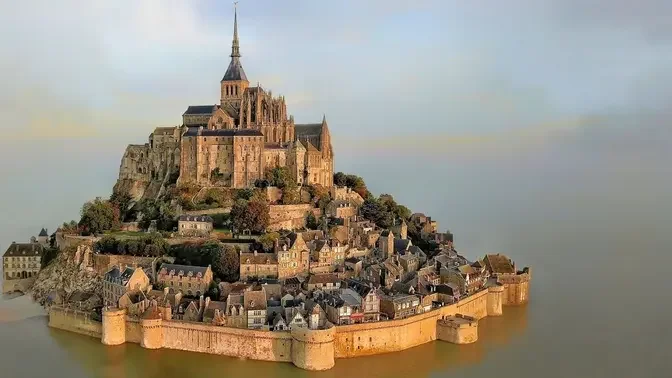
Chartres, Cologne, Milan, and Westminster Abbey illustrate different forms of Gothic church design. St Peter's Basilica and Mont Saint Michel broaden the comparison with Renaissance, Baroque, and Romanesque building traditions, showing how worship, regional craftsmanship, and successive building campaigns shaped distinct churches and abbeys.

 21 followers
 21 followers

 31 followers
 31 followers

 590 followers

 15 followers
 10 followers

 9 followers




Master Builders of the West
Western architectural history includes builders, designers and writers whose work shaped different traditions. Vitruvius wrote about classical building, Brunelleschi developed the dome of Florence Cathedral, and Palladio became associated with villas drawing on classical forms. Andrea Pozzo is known for architectural illusion in painting, while Antoni Gaudí developed distinctive buildings in Barcelona, including the Sagrada Família.
 15 followers


View All
All featured content under Western Historical Architecture


