
Raphael Sanzio
Raphael Sanzio
Raphael Sanzio (Raffaello Sanzio da Urbino, 1483–1520) was an Italian painter and architect of the High Renaissance, celebrated for the grace, harmony and clarity of his work. Born in Urbino, the son of the court painter Giovanni Santi, he trained with Perugino and in Florence absorbed the lessons of Leonardo and Michelangelo, painting a series of serene Madonnas. In 1508 Pope Julius II called him to Rome to decorate the papal apartments in the Vatican, a turning point in his career; there he painted The School of Athens, gathering the philosophers of antiquity, and the Disputation of the Holy Sacrament. Later works include the Sistine Madonna and The Transfiguration, and he succeeded Bramante as architect of St. Peter's Basilica. He died in Rome at thirty-seven and was buried in the Pantheon. With Leonardo and Michelangelo, he is counted among the three central masters of the era.
Latest UpdatesLIVE


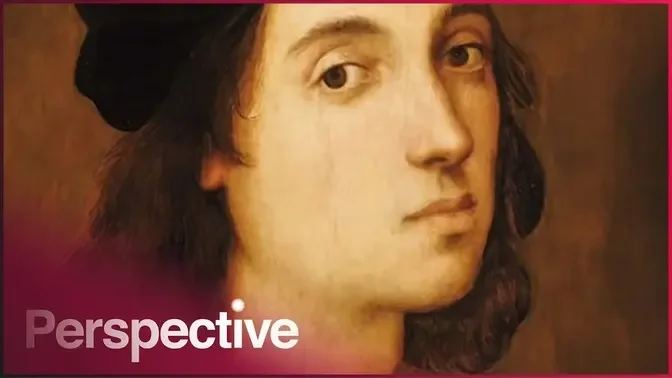


Masters of the Renaissance
Donatello revived the spirit of classical sculpture in early fifteenth-century Florence, preparing the way for the High Renaissance. Leonardo painted The Last Supper and the Mona Lisa, Michelangelo carved David and painted the Sistine Chapel ceiling, and Raphael created The School of Athens in the Vatican. North of the Alps, Albrecht Dürer absorbed Italian ideas on journeys to Venice and exchanged works with Raphael, carrying the Renaissance to Germany.




View All
All featured content under Raphael Sanzio


