
Albrecht Dürer
Albrecht Dürer
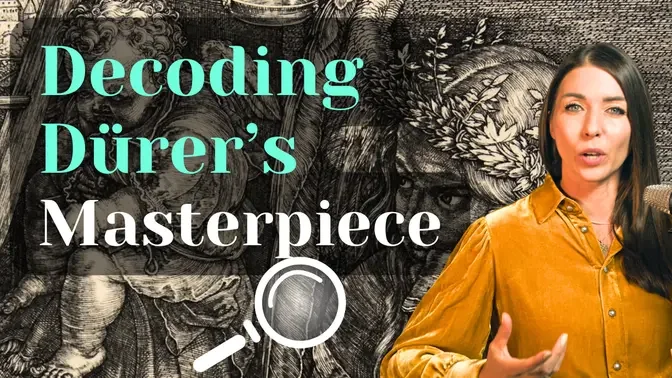
Albrecht Dürer (1471–1528) was a German painter, printmaker and theorist of the Northern Renaissance, active in Nuremberg. The son of a goldsmith, he trained in his father's craft and then with the painter Michael Wolgemut. His journeys to Italy, above all a long stay in Venice in 1505–1507, were the turning point of his career, bringing Italian ideas of proportion and perspective into German art. His woodcut series The Apocalypse (1498) won him fame across Europe, and his engravings Knight, Death and the Devil, Saint Jerome in His Study and Melencolia I (1513–1514) set a new standard for printmaking. His drawings and watercolors, among them the Praying Hands and the Young Hare, show close study of nature, and his self-portraits reflect a new dignity for the artist. He served Emperor Maximilian I and wrote treatises on geometry and human proportion that taught generations of artists.
Latest UpdatesLIVE




Masters of the Renaissance
Donatello revived the spirit of classical sculpture in early fifteenth-century Florence, preparing the way for the High Renaissance. Leonardo painted The Last Supper and the Mona Lisa, Michelangelo carved David and painted the Sistine Chapel ceiling, and Raphael created The School of Athens in the Vatican. North of the Alps, Albrecht Dürer absorbed Italian ideas on journeys to Venice and exchanged works with Raphael, carrying the Renaissance to Germany.

 12 followers


