
Shakyamuni Buddha
Shakyamuni Buddha
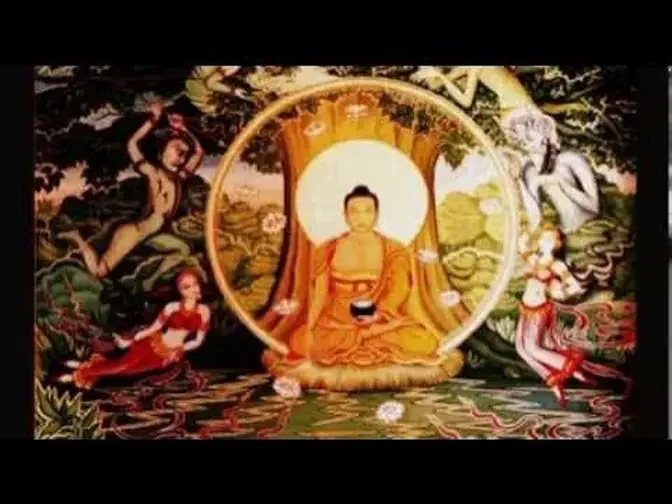
Shakyamuni Buddha, born Siddhartha Gautama, was a spiritual teacher of ancient India, living around the 6th to 5th centuries BC, whom Buddhists revere as the founder of their tradition. According to Buddhist tradition, he was born a prince of the Shakya clan at Lumbini, in present-day Nepal, and raised in comfort. Moved by the sight of old age, sickness, death and a wandering ascetic, he left the palace at twenty-nine to seek an end to suffering. After years of austere practice, he chose a middle way and, meditating beneath the Bodhi tree at Bodh Gaya, attained enlightenment. At Sarnath he gave his first teaching on the Four Noble Truths and the Noble Eightfold Path, and for some forty-five years he taught followers of every background. His teachings of compassion, wisdom and right conduct spread across Asia and guide hundreds of millions of people today.
Latest UpdatesLIVE




Sages of the Axial Age
From about the eighth to the third century BC, great teachers arose independently across the ancient world, an era the philosopher Karl Jaspers called the Axial Age. In China, Lao Tzu taught harmony with the Tao and Confucius taught virtue and proper conduct; in India, Shakyamuni Buddha taught the path to enlightenment; and in Greece, Socrates and Plato examined how to live a good life.

 107 followers

 24 followers

 9 followers


Great Spiritual Teachers of the World
Lao Tzu, traditionally credited with the Tao Te Ching, and Confucius, whose sayings were gathered in the Analects, shaped the moral life of China, while Shakyamuni Buddha taught the path to enlightenment in India. Jesus Christ taught love of God and neighbor, Muhammad is revered as the Prophet of Islam, and Guru Nanak founded the Sikh faith in the Punjab.
- 107 followers

 261 followers

 60 followers

 10 followers
 10 followers


View All
All featured content under Shakyamuni Buddha
