
Socrates
Socrates
Socrates (c. 470–399 BC) was a philosopher of ancient Athens, regarded as a founder of Western moral philosophy. He wrote nothing; his life and teaching are known chiefly through his students Plato and Xenophon. He served Athens as a soldier with notable courage. When the oracle at Delphi declared that no one was wiser than he, Socrates questioned citizens reputed to be wise and concluded that his own wisdom lay in recognizing what he did not know. His patient questioning, now called the Socratic method, sought clear understanding of justice, courage and virtue, and he taught that “the unexamined life is not worth living.” In 399 BC he was tried on charges of impiety and corrupting the young and sentenced to death; declining an offer of escape, he accepted the verdict calmly, holding that one must never answer wrong with wrong.
Latest UpdatesLIVE


Teachers and Pupils of Ancient Greece
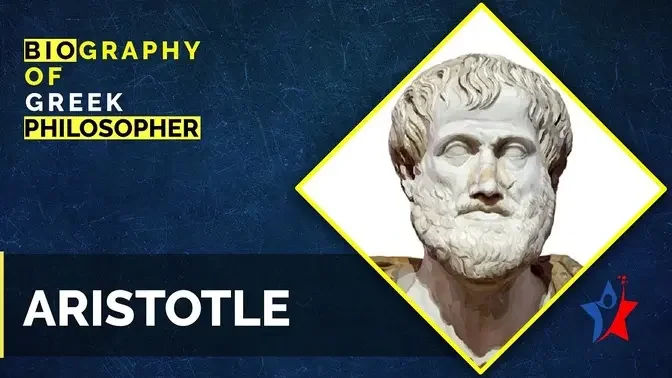
Socrates taught in Athens through searching questions about justice and virtue, and his student Plato preserved his ideas in dialogues and founded the Academy. Plato's pupil Aristotle wrote on logic, ethics, politics and the natural world, and later tutored the young Alexander the Great, linking the founders of Western philosophy to the king who carried Greek culture across Asia.

 9 followers

 7 followers




Sages of the Axial Age
From about the eighth to the third century BC, great teachers arose independently across the ancient world, an era the philosopher Karl Jaspers called the Axial Age. In China, Lao Tzu taught harmony with the Tao and Confucius taught virtue and proper conduct; in India, Shakyamuni Buddha taught the path to enlightenment; and in Greece, Socrates and Plato examined how to live a good life.

 107 followers
- 9 followers


View All
All featured content under Socrates


