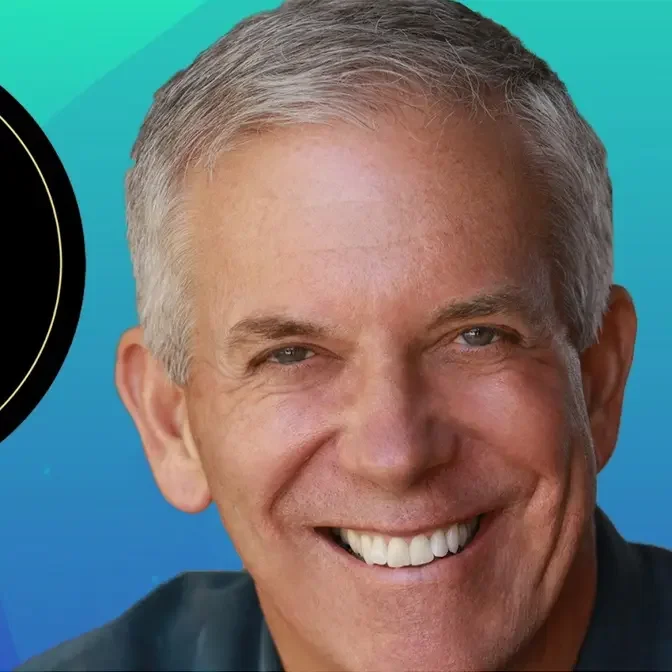
Join Pat Pattison as we uncover the soul of Santa Maria Valley—where nature, nostalgia, and flavor collide. This episode of *Pat Pattison’s Best of California* takes you on a journey through:
🌿 **Oso Flaco Lake** – A tranquil boardwalk trail over marshes and dunes, offering stunning views and peaceful wildlife encounters. Perfect for a reflective walk or scenic photography. 🫘 **Dewlson Family Farms** – Sip freshly roasted coffee, pick exotic fruits, and create your own tea blends at this charming, appointment-only farm experience. 🥞 **Kate’s Country Kitchen** – A beloved local diner serving hearty breakfasts and warm smiles. Think biscuits, gravy, and hometown hospitality. 🥩 **Shaw’s Steakhouse** – A Santa Maria institution known for its legendary oak-grilled tri-tip and classic steakhouse ambiance.
Whether you're planning your next weekend getaway or just love discovering California’s hidden treasures, this episode is packed with inspiration, flavor, and heart.
🔔 Subscribe for more senior-friendly travel adventures, California history, and destination storytelling every Wednesday
Watch us in: Los Angeles KAZA (MeTV) Ch. 54 Sundays 7:30am Fresno MyTV 53 Sundays 2pm Eureka KIEM NBC Sundays 11pm Palm Springs FOX11 Sundays 11pm
Welcome to Pat Patterson's Best of
California. Today, Santa Maria Valley.
Liza and I are set on our ATVs. We're
going to take off, show you a winery,
show you an incredible family farm,
incredible places to eat here in Santa
Maria Valley. So, let's bring our
helmets on and let's get going.
I'm Pat Patterson and I love California.
So, Orcon, this is incredible. The
pizzeria Bello, I had the stone fruit
pizza. Jeff, our illustrious cameraman,
had the three beer naughty oak. Incred.
You got to check out this place. Or cut.
[Music]
So, we're at Kay's Country Kitchen.
We're in Orcott. I ordered the veggie
omelette. Jeff got the Mediterranean
scramble. I got fruit instead of hash
browns. But just so I have something to
look forward to, I've also got a short
stack of pancakes. Great coffee. I'm an
orange juice nut, so I love to ch check
out the orange juice.
Fresh orange juice. Fresh squeeze orange
juice. One of my favorite things in the
morning. Oldtown Orcut. You got to check
it out when you're here in the Santa
Maria Valley.
[Music]
So, I'm excited. I'm at my place and I
get an incredible avocado toast. This is
a cowboy. It's got spinach. It's got
cheese. It's got all sorts of incredible
stuff. And um
I use a knife and fork.
Don't use a knife and fork. Do this.
I love that.
[Music]
Oso Flaco Lake. Incredible hidden gem in
the state park system. Oso Flaco meaning
skinny bear. Casper Day Porto's guys
came here, ate a skinny bear, and got
very sick. The reason they got sick is
the local Indians fed the bears tainted
meat so that the bears would die and not
compete for food. So, it was a bit of a
chain reaction. There's a causeway that
goes out to the ocean and a walkway.
We're going to go check it out and see
where that ocean is. Come on.
[Music]
Little uneven uh sidewalk here, which is
fun. Obviously, this is here to protect
the dunes because they're very fragile.
The snowy clover is protected here. Uh
it used to be that ATVs could run all
over the place. They still can. They're
still protected areas. We're going to
check out an ATV, but this is all
preserved like only the California state
parks know how to do. We love the state
parks.
Wow. And this is the pre-dunes, which is
just the part of the dunes before the
ocean. Most of California had these
dunes uh before they were developed.
Amazing to come here and see what it
used to be like.
[Music]
So, we're getting fog, we're getting
shade, we're getting sunshine. This is
incredible
what an amazing natural resource we have
here.
And we are getting very close to the
ocean and I am fine. It's not a very far
walk.
Oh my gosh, look at that. The Pacific
Ocean. My favorite. Pristine, beautiful
dunes.
Level walkway all the way out. 1.5
miles. Easy access. You got to come up
here. Santa Maria Valley. This is how
the beachfront of California used to
look before it got developed. And these
dunes were everywhere. And uh it this
part has been preserved. It goes down
quite a ways. Guadalupe to the south of
us. You can see all of St. Louis Bay.
This is St. Louis Bay going out to the
point out there. Beautiful. Beautiful.
Santa Maria Valley. You got to check
this place out.
[Music]
So when you're in Santa Maria Valley,
you got to try Shaw Steakhouse.
Incredible tri tip Santa Maria style
barbecue. They raise it up and down over
the oak fire. Shaw Steakhouse. Check it
out when you're in Santa Maria Valley.
I'm so excited. We're in Santa Maria
Valley and I'm here with Judy Pollson
and Ron Dwey and they have this
incredible family farm here that you can
take a tour of. Right. You can do
appointment tours and and Ron, tell me
how this got started. Well, after I
retired, we bought 20 acres of land just
right up over the hill over there and we
planted lemons. That sounded like a good
idea except the first year they all
froze and we lost a thousand trees. So,
we replanted and then we bought another
20. So, let's double up and catch up
here.
>> Yeah, that was really that was really
bad. Let's do it again.
>> Yeah. So, now we have 40 acres of
lemons. That's our cash crop allegedly.
Uh but that's our cash crop. And then
Judy wanted to do something else.
>> Okay.
>> It wasn't good enough just to have 40
acres, 6,000 lemon trees.
>> We We got to We got to expand. I know
you're both retired Navy. And Judy, what
happened next? Next is I when we bought
this acorage, I wanted a couple spots
where we could do something different
and went to a couple of small farm
conferences and discovered coffee and
tea.
>> And I know the big deal here is wine
country. I love my coffee. So, I'm
looking forward to tasting all these
different exciting things. So, you ready
to give us a tour? You bet.
>> Absolutely. Let's go.
>> Let's head up. So, Judy, tell me where
we're going now. So, we're going to go
up and we're going to take a tour of
where we grow coffee, our coffee
plantation, and where we grow our tea,
our tea plantation.
>> That sounds so cool. Coffee plantation.
>> I know. It's not easy to grow here, but
it's fun to grow here.
>> Why is that? Because doesn't like the
wind.
>> Okay.
>> It doesn't like to be cold.
It doesn't like
>> anything that happens here.
>> Anything that anything that happens
here. But I just loved the idea of
growing coffee.
>> We have five varieties of coffee. So
they're all Arabica, which is the better
species of coffee. So they're all
Arabic.
>> So I've been saying that wrong all these
years.
>> How do you say it?
>> I must have been I think I'm saying
Arabica.
>> Oh,
>> I don't recognize that. You're saying
that wrong.
>> Arabica. That's awesome.
>> Arabica.
>> So the Arabica,
>> tell me about that.
>> So Arabica is the better species in
coffee. It's known to be um less acidic
and a little sweeter. Um there's not as
much production. The other one that
people know about is called robusta. And
robusta is the coffee you see in in
>> No, I always thought that was robusta.
No, I'm kidding. I'm kidding.
>> That's like tomato tomato. I could I
could accept that. I could accept that
one.
>> I see I see geisha over there. What's
the What's the connection?
>> So geisha um is spelled like the
Japanese geisha girl. So for the
spelling, people get confused as if that
was from Japan. And it's really spelled
G E S H A from the Geisha Valley in
Indonesia. So that's where it's from. It
continues to be the most expensive
coffee in the world. So we're pretty
proud of this this coffee. Yeah.
>> So tell me about because I know nothing
about growing coffee. So this is a
coffee plant. So what there's going to
be beans on here somehow, right? Tell me
how the beans happen. So this is a good
example of the growth pattern and the
life cycle of a coffee plant. So you
start out with a bud. It becomes a
flower that looks like a jasmine and
then a green bean will come like you see
here and then eventually this is a red
cherry. So this is a fruit and you know
it's ready when you can just twist it
and it comes off pretty easy.
>> So lot lot like a fruit on a tree.
>> It is a lot like a fruit on a tree. And
then you squeeze it
>> and there are your coffee beans.
>> Oh my gosh. I didn't know that.
>> Yeah. So, there's your coffee.
>> So, can I eat one of those?
>> You can eat the cherry.
>> The cherry is what I eat.
>> The cherry is what you should eat.
>> These are too hard. Yes, the cherry.
>> And the geisha cherries are really good.
They're really sweet.
>> Oh my gosh. Okay, we're
>> And then what I do is I throw the beans
down.
>> Oh my gosh.
>> Cuz every once in a while I get a
volunteer that just starts growing up,
comes up.
>> Wow, that's incredible.
>> Yeah.
>> So, but but first we got to settle one
thing.
>> Yeah.
>> Is it Arabica or is it Arabica?
>> I call Arabica. I call it Arabic.
>> This is so one of those.
>> This is so humiliating. This is so
humiliating. Okay, but that's that's all
something else.
>> This is part of the tour. This is what
This is So this is
>> Every tour we have three tours and one
of them is the coffee tasting. So every
tour includes a tour of the coffee
plantation, how we grow coffee, how we
process coffee, the coffee tasting, and
they take home fruit.
>> So Judy and Ron,
>> yes. First of all, I'm highly
caffeinated.
>> That's good. That was good then.
>> That's good. That's good. So, so the
next meal will be very quick. And thank
you so much for mainly creating a family
environment, having something that
people can come to and enjoy farm life.
I mean, you've you've created a little
paradise here.
>> Thank you. We we we think we have. We
It's our It's our little paradise.
Ron and Judy, thank you so much.
>> Thank you so much, Pat.
>> Thank you.
>> Yeah, was
[Music]
so Liza, one of the great places to eat,
Santa Maria Public Market. Let's go
check it out.
>> Fantastic.
[Music]
This is good. Good food. Santa Maria
Public Market.
[Music]
I'm Pat Patterson and I love California.
[Music]