
Oxnard & Lompoc California Central Coast Gems!
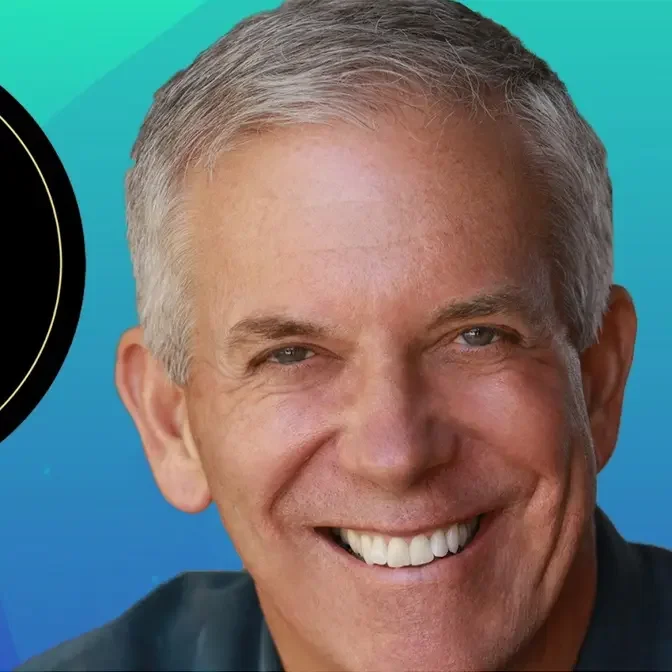
Places to see in Oxnard and Lompoc. Favorite city getaways in #california . #oxnard
@VisitOxnardCalifornia and #lompoc @explorelompoc8999 . We discover historic farmhouses saved , murals of famous launches and incredible food and wineries! Great affordable alternatives to nearby cities and not as crowded…yet!
#california #affordable #travel
Oh man, that's fun. Welcome to Pat Pattison's Best of California. I'm here with my brother
Steve and today we're going to take on a trip of the hidden gems of the Central Coast.
So I'm so excited to be we're in Oxnard at the Heritage Square and I'm with Brittany Hendricks
with Visit Oxnard. Brittany, you got us here and this is so exciting. So tell me a little
about your experience with Heritage Square. So this is a hidden gem in the heart of downtown
Oxnard and we are so thrilled to have this beautiful piece of history here with us.
We have a gathering of the original farmhomes from the Oxnard Plain. So what better way to
celebrate our history and our heritage than by gathering these homes together in one beautiful
square. Let's go for a walk. Show me around. Sounds great. Oxnard is an agricultural community.
We were founded on a sugar beet enterprise by Henry T. Oxnard and we just have such rich heritage
and history and roots in farming and so we have a huge history with migrant workers. Cesar Chavez
actually led the NFWA out of Oxnard in the 60s and 70s and was a rights activist for labor.
What's the primary crop now? So strawberries and Oxnard is the strawberry capital of the world.
We are one of the largest exporters of strawberries in the entire world. In the entire world? Correct.
That's incredible. Part of California's agricultural history and tell me a little bit about
how that culture has influenced the city overall. Yeah, Oxnard is such a melting pot. You walk around
town and you will see people from all walks of life. Everybody looks different. We're all from
different backgrounds but we all have so much in common and we all share this love and passion for
the community. It's funny when you're driving down Highway 101 you'll look off and you'll see
the fields and the Oxnard plain but you drive just seven miles down the road and you're on the coast
and we have seven miles of pristine uncrowded coastline. Unbelievable beaches. Yeah, just beyond
Malibu on the coast. And tell me that you said that the people can have weddings here. Tell me
a little bit about that. Yes, so if you're looking to celebrate your big day we have this gorgeous
plaza where you can have a wedding, you can have baby showers, all kinds of events, work, networking,
lunches. We actually accepted an award from the Chamber of Commerce here recently. Wow, that's
incredible. Yeah. And you also mentioned that one of the businesses will cater. What's the name of
that business? Yes, so right in front of us is the 1901 and it's an amazing restaurant and in the
basement of the 1901 is probably my favorite business of Heritage Square and that's the 1901
Speakeasy. Wow. We are headed down into the 1901 Speakeasy. Speakeasy. I remember from the movies
you have to knock first. You do. What's the password? Visit Oxnard. All right, come on in.
This is incredible. So Brittany, this place is incredible, the Speakeasy. What an atmosphere.
Tell me a little bit about the business. Yes, so we are in the basement of the 1901 on B Street
and there's a restaurant upstairs with Italian American Fusion and down here you can get really
incredible cocktails, old fashions, Manhattans, you name it. And you can order the restaurant.
There's a banquet room upstairs. I mean, this is like one-stop shopping. Tell me a little bit
about the chef. I know he's been doing this a long time. Yes, so Steve Sokol has been in the
business for about 35 to 40 years and he manages incredible catering and we're just so fortunate
to have him here in Oxnard. Tell me the unique story about this house. So they say this house
has been moved not once but twice. It was originally on a farm. They moved it here to
downtown and then the McGrath family bought it and moved it to their ranch and now it's made its way
back to Heritage Square. That's incredible. That's incredible. Well, here's to the 1901.
Cheers. And I'm with Gary Blum, site superintendent of this incredible place
and this may be one of the best preserved heritage areas I've seen anywhere in California.
We're pretty proud of it. It's rather unique here in Oxnard and we hope you get to learn more about
it. Yeah, so how did this happen? How did this start? About 35 years ago, the city of Oxnard had
acquired a couple buildings that they wanted to preserve. They had to be relocated and so they
decided to actually build out an entire block of relocated buildings so private investors can move
their family home or their whatever home they acquired and reutilize them here for commercial
use. So this was a private public enterprise? Yeah. So these are still individually owned?
They are. Almost every one of them is privately owned. The city owns a couple of them and but
they're mostly all driven by an owner's association and all those owners work together to maintain the
site. Yeah, now you have a personal connection I know to this house behind us. Tell me about that.
Yeah, that was my great-grandparents house and I was a participant in the project relocating it
here. Wow, so you actually brought this house. Was it heavy? It was 29 tons. Yeah,
about two and a half miles. I bet you're like tired out. Yeah, I didn't spend as much time in
it as probably my relatives did. Yeah, because I just think this is such an important thing. That's
what Best of California is all about is preserving California history but here's a way that's
preserving California history and giving back to the community. Oxnard has figured it out. Gary Blum,
thank you. Come visit Heritage Square and back to our hidden gems of California.
I'm excited to be here with the Mystic Whaler and Jacob Strong, the chief mate of the Mystic Whaler
and this is incredible, Jacob. And this has been here how long? We've been here since January of
2022. And tell me the story of how it got here. The boat actually got here so the current captain
picked the boat up in Mystic, Connecticut and then took the boat down to Fort Lauderdale where
they put her on a tanker and then they brought the tanker through the Panama Canal over to Ensenada
and then they brought them the rest of the way from Ensenada. They sailed it up from there so
that's incredible. And tell me some of the stuff that goes on here. Right now there's a lot of
maintenance of course but we're going to be doing education with kids so we'll take them out from
anywhere from three to five hour sails or even overnight sails out to the Channel Islands.
So our goal is to do either STEM education, history education, all depends on you know what
the program the schools are looking for. So we're an open dock, the public can come down and look.
We're even open on some weekends for deck tours where you can come on board, you can go below deck
and then about once a month or so we even do public sails where people can buy tickets and come out.
Which part of the harbor is this? This is in Channel Islands Harbor by the Maritime Museum.
Okay so right next to the Maritime Museum. Do people volunteer to be a part of this?
We don't have a volunteer program yet but we're definitely looking at creating one of those.
I would think that would be a nice thing. Now what got you into sailing?
I got in through my university. There was a sailing class there and then we went on a sail
out to Catalina and I just got hooked whenever I looked up at the stars and seeing the dolphins
and the bioluminescence and so it's great. So I wanted to share that with other people.
Well Jacob Strong, thank you. It's the Mystic Whaler. It's here
and Oxnard and the best of California. Thanks. Thanks Jacob. Thank you. Pleasure.
So I'm so excited. We're at Otani Seafood with Karen Otani Baldonado. And Karen,
which generation are you? I am number four. Number four. Yes. So tell me the history of Otani.
Well let's see. My grandfather started Otani. Well let me go back. My great-grandfather came
to California in the late 1890s maybe and he started his store on the boulevard, Oxnard Boulevard,
which is one block over. And then my grandfather who's a second generation,
he was born here in Oxnard in 1912. Went to school here. Went to UCLA. Met my grandmother.
Came back here. You know he did all kinds of little things. He had a vegetable market. He had
but the malt shop I think started the cooking idea with his brothers and then he left his
brothers over there and came over here and started the fish market. Has this place kept a lot of
family members employed? Well right now it's just my brother. My second, you know, the brother that's
just younger than I am. So he and I are together. So what are you known for? What are the dishes
that you're famous for? A lot. The broiled fish. Well actually the fried fish. The fried fish,
the broiled fish, and we serve it with the Japanese white rice and the green salad and
it's really yummy. Karen Baldonado, this is so incredible and you must be proud. I'm very proud
that I'm keeping my grandfather's legacy alive. I really am. You know all our family members have
all worked here but my brother Genji and I are the only ones that stuck around, you know, to keep it
going because we love it. We love Oxnard and we love being here. Well we love the fact that you
did it too. So when you're in Oxnard, Otani Seafood. Thank you, Karen. Thank you. After our fabulous
visit to Oxnard, we're on the road to another hidden gem of the Central Coast, Lompoc.
I am so excited we're at La Prisma Mission here in Lompoc and I'm with Kristen McNally
from the State Park Service. And Kristen, this is one of the most beautiful missions I've been
to, if not the most beautiful. It's incredible. Tell me about this place. So this is La Prisma
Mission. We're a California state park. We're also unique in that we're one of the 21 missions here
in California. We're the 11th mission founded in 1787. This is actually part of the El Camino Real.
This was the route that connected the 21 missions in California. It spanned over about 800 miles
and the idea was to connect the missions and be about a day's horseback ride from one mission
to the next. Tell me in terms of what you enjoy imparting in terms of the history in California.
What's your favorite thing? My favorite thing is the Civilian Conservation Corps and learning about
how they rebuilt this mission and the techniques they used to build this mission. Back in the 30s.
So in terms of when people come here, I want to know what's the first thing they ask? People ask
where is the mission? When people arrive in our parking lot, our mission is hidden by some trees
so it's hard to see. So we tell people if you take the trail and look through the trees, you can see
the mission. Oftentimes they think the two white buildings, which are the infirmaries, are the
mission when you pull up to the parking lot. So and in terms of things, I know you have mission days
here. What are those like? So we offer living history days, mission life days, a couple times
throughout the year on Saturday and we showcase the crafts of the mission. So we might showcase
candle making, weaving, pottery. So what the daily life would have been like here at Long
Treason Mission. We have about 2,000 acres of land here with an approximate 25 miles of trail
and people can take these trails and explore the nature that this mission grounds have to offer.
Our hike up to the cross is an amazing view. It takes about 10 minutes to hike up. So what's the
cross? Is the cross way up there to the destination? Yeah. Was it here before? So the cross here is a
trail right just beyond our visitor center and you can see the trailhead and you take that up
and there's a large cross and you can actually see it on top of the hill from here. Oh my gosh,
yeah there it is. And you can see some amazing views of the valley. Wow. And in terms of school
programs and whatnot, I know we're getting ready. You're going to have some school kids here. Is
that an ongoing thing? Is that Lompoc only? Tell me a little bit about that. So we do a variety
of programming. We do guided tours. So staff and volunteers lead students through the buildings
talking about mission era history. We also do a living history program called student learning
history days where we invite approximately 400 fourth graders and they come and they
experience hands-on activities when they visit. And tell me about your own personal involvement
with the state park system. What do you like about being a part of the system? Because we
in the best of California promote state parks. We think that it's, I think it's gotten better,
but in terms of just people utilizing that resource, what do you like about being a part of
the system? I just have an amazing job. My job is fun. I love sharing the natural and cultural and
recreational resources that state parks offers to everybody. Yeah. Here with Kristen McNally,
La Prisma Mission, part of the hidden gems of Lompoc. You've got to come check it out. Thank
you, Kristen. You're welcome. I'm so excited. Turns out Lompoc is all about murals. They have
beautiful public art here and I am so happy to be with Anne Thompson who did this incredible mural
we're in front of it. Anne, thank you for making this incredible art. You're very welcome. Now,
what does this commemorate? This commemorates the 50th anniversary of Landsat, which is a satellite
that has been taking images of the earth for 50 years. And was launched nearby here at Vandenberg.
Is that why this is here? Yes. NASA came to us and said that they wanted to do something special
because it was the 50th year and they liked the idea of doing a mural and Lompoc is a city of
murals. When you're painting one of these, you mentioned it took about three months, I think.
So just explain the process. You're on a scissor lift. I mean, how do you tell me about it? I don't
get it. This is impossible. Well, you start with a blank wall and then, but you also have to come
up with an image, a rendering. And in this case, this was open to anybody who was interested in
competing. So we had about... It was kind of a contest. Yes. So we had like nine artists,
approximately, and they weren't just local. We had some from other states and some amazing artists.
So I decided to give it a try and I thought, I'll never get this. So I'm just gonna, I'll come up
with, I'll do this and I'll do that and I'll come up with all kinds of ideas. But they called me
on April Fool's Day to say that I had won. And I said, who really got it? Come on, don't mess with
me. And they said, you got it. And I thought, oh no. So anyway. Oh, now I have to pay for this.
Now I have to figure out how I'm going to do this. Who else is involved that you can give a shout out?
Explore Lompoc. Oh, thank you to them for everything that they've been a part of. Such a great organization.
We talked to Paul Patel. Oh yes, Paul. He's great. And other than your own, do you have a favorite
other mural? Or is that like making you pick a? Oh, well, I've had the opportunity to restore
several. I'm the curator now, which is why I'm covered with paint. But one of my favorites
is the Last of the Titans. It's again, another missiles shooting up. And with that particular
one, back when we did it, it was done in one day. And it, a lot of the murals will last approximately
20 years and then they start to need attention. So I was able to restore that one
during the pandemic. So everybody was locked down, but I could be outside in the fresh air and I was
up on scaffolding to do that. Good therapy. Now, if somebody wanted to contribute to a mural, what
do they do? We have a website, the Mural Society does. So you can go there and do that.
That would be so appreciated. Yeah. So a good way to support public art. Lompoc has, has gone
out and done all these incredible murals. You got to come see them here in Lompoc. Ann Thompson,
thank you so much. You're welcome. Thank you. More of Pat Pattison's Best of California. We're
here among the flowers. It's the Santa Rita Hills Lavender Farm. And I'm here with Lucas Newman.
And Lucas, this place is incredible. Oh, thanks so much, Pat. You know, we started the farm back
in 2020 at the height of the pandemic. This is so beautiful. And I know this is a family operation,
you and your mom. Are there any other family members involved? My dad usually comes out on
the weekend. He's the breadwinner, at least at this point. So eventually once we get a little
bit bigger, you know, thanks with your help, you know, we'll probably go to go to international.
That's right. That's right. And the lavender is what we're looking at. And you're saying
they bloom a little later in the spring. Yes, sir. Late June, early July is usually when the
lavender starts blooming here. It's just starting to wake up. Yeah. And so you mentioned that the
essential oils. Tell me about how you actually make that here on property. The way lavender works
is you have the lawn stems and then each one of the little, you can say they're lavender dots.
Each one's a little lavender flower. And so before that, it's the bud. And so you take the pre
flowering lavender and you separate the buds from the stems and then you put it into the actual
container that we use. The steam rises up, pulls the essential oil and the water hydrosol off the
plant. And then you have a separator that puts your essential oil on top and lavender on the
bottom. So now the oil gets used for what purpose? So the lavender is used for, we've got topicals
that we do. We've got soaps, we've got bath bombs, we've got all sorts of neat little products that
do all on our farm stand. Come on. And I know you also do the cup flowers. Yeah. So we got in our
upper field, we're doing some sweet peas. We've got Italian ranunculus right now, some straw
flowers, and then we got some peonies going on in there as well. So we ended up doing a lot of wild
flowers that we just kind of threw out around here to promote pollinators. One of the major
things about our farm is trying to give back to the bees. And so we got our own little beehives
that we've kind of started out here. And once we get into the lavender season, we'll be doing some
honey. That'll be really nice. So all our hives are actually swarms that have been found in other
places that people didn't want. So we take all the, that is so cool. Yeah. We take all the drifter bees
and we give them a home. That is so cool. So what I know you said, this is kind of your mom's favorite
thing. What, what are the main flowers that she enjoys? Well, behind us here, we have the Italian
ranunculus. They're her absolute favorite type of flower. She, they come in a whole batch of
different varieties. We've got probably a couple dozen out here that we're actually doing right
now. Well, Lucas Newman, thank you so much. No, thanks Pat for coming out. So Liza, that was
incredible. The hidden gems of the central coast, Oxnard, Lompoc, we saw so many places.
It's amazing. What do you think about all this? I think it's really educating me about where I live.
I didn't know about how many amazing little niche places that held such culture. So keep watching
for the hidden gems of California. I'm Pat Patterson. Liza Patterson. We'll talk to you soon.
I'm Pat Patterson and I love California.