J.P. Morgan
J.P. Morgan
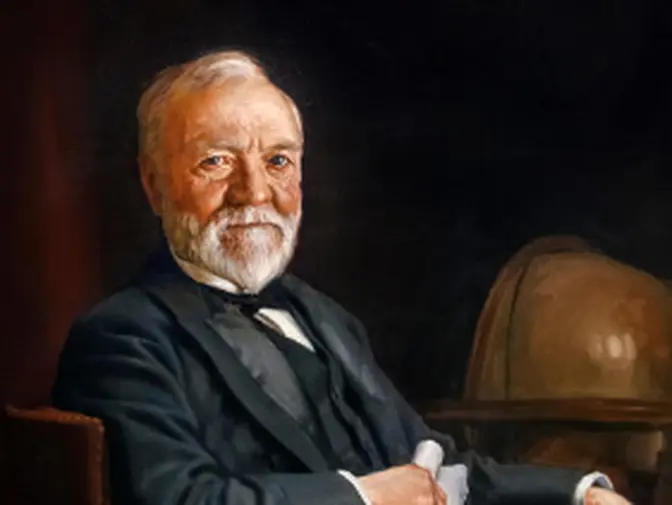
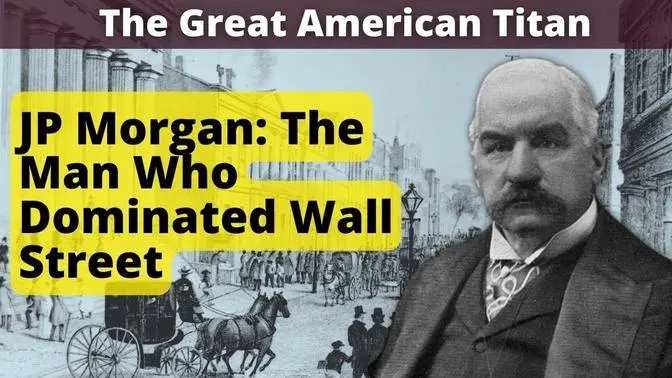
J.P. Morgan (1837–1913), born John Pierpont Morgan, was an American financier and banker whose firm played a central role in financing the industrial growth of the United States. The son of an established banker, he was educated in Boston, Switzerland and Germany before beginning his career in New York, where his firm, later known as J.P. Morgan & Co., became one of the most influential banks in the world. He reorganized struggling railroads, financed Thomas Edison's electric lighting work and helped create General Electric. His turning point came in 1901, when he organized United States Steel, the first billion-dollar corporation, and in the financial panic of 1907 he brought together leading bankers to stabilize the banking system. A dedicated collector of art, rare books and manuscripts and an active Episcopal layman, he left a lasting cultural legacy through the Morgan Library and the Metropolitan Museum of Art.
Latest UpdatesLIVE


Titans of the Gilded Age
In nineteenth-century America, these men built the railroads, steel, oil and banking that powered a growing nation. Cornelius Vanderbilt assembled a great steamship and railroad network and endowed Vanderbilt University. Andrew Carnegie led the steel industry and sold his company in 1901 to J.P. Morgan, who formed U.S. Steel. John D. Rockefeller built Standard Oil. Carnegie and Rockefeller later gave away much of their fortunes, funding libraries, universities and medical research.

 25 followers

 30 followers