Cornelius Vanderbilt
Cornelius Vanderbilt
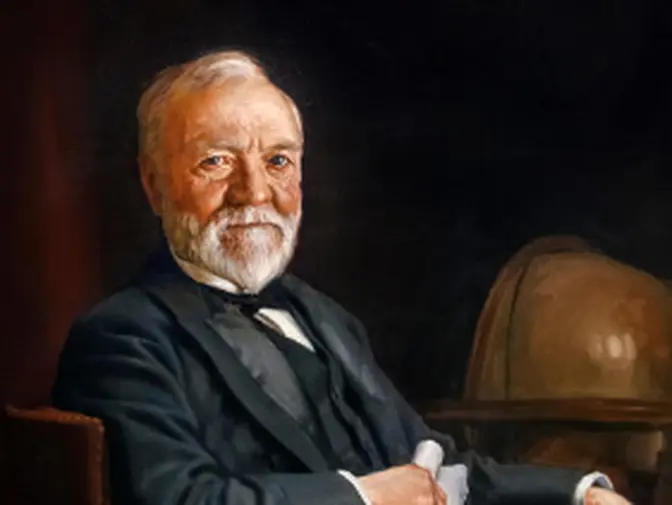
Cornelius Vanderbilt (1794–1877) was an American shipping and railroad entrepreneur, known as “the Commodore,” who helped build the transportation network of the growing United States. Born on Staten Island, New York, he left school young, and at sixteen he used a loan from his mother to buy a small sailing boat and began ferrying passengers and goods across New York Harbor. Working for the steamboat operator Thomas Gibbons, he learned the steamship trade and later built his own fleets on the Hudson River, along the coast and, during the California Gold Rush, on a route through Nicaragua. His turning point came in the 1860s, when he shifted from ships to railroads, consolidating lines into the New York Central system and building Grand Central Depot in Manhattan. His gift of one million dollars founded Vanderbilt University in Nashville, Tennessee, in 1873.
Latest UpdatesLIVE


Titans of the Gilded Age
In nineteenth-century America, these men built the railroads, steel, oil and banking that powered a growing nation. Cornelius Vanderbilt assembled a great steamship and railroad network and endowed Vanderbilt University. Andrew Carnegie led the steel industry and sold his company in 1901 to J.P. Morgan, who formed U.S. Steel. John D. Rockefeller built Standard Oil. Carnegie and Rockefeller later gave away much of their fortunes, funding libraries, universities and medical research.

 30 followers

 26 followers