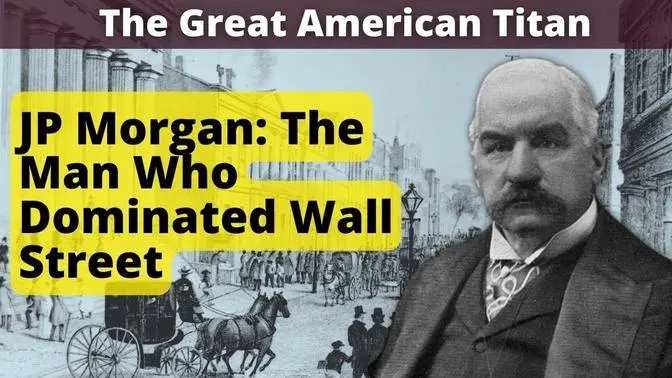
Andrew Carnegie
Andrew Carnegie
Andrew Carnegie (1835–1919) was a Scottish-American industrialist and philanthropist who led the expansion of the American steel industry and then devoted his fortune to education, culture and peace. Born in Dunfermline, Scotland, he emigrated with his family to Pennsylvania in 1848 and began work at thirteen in a cotton mill, later rising from telegraph messenger to manager with the Pennsylvania Railroad. As a boy he educated himself through a local benefactor's library opened to working youths, a generosity he never forgot. His turning point came in 1901, when he sold the Carnegie Steel Company, which became part of United States Steel, and retired to devote himself to giving. In “The Gospel of Wealth” he argued that the wealthy must use their fortunes for the public good, and he funded more than 2,500 public libraries, Carnegie Hall and many institutions of learning and peace.
Latest UpdatesLIVE




Titans of the Gilded Age
In nineteenth-century America, these men built the railroads, steel, oil and banking that powered a growing nation. Cornelius Vanderbilt assembled a great steamship and railroad network and endowed Vanderbilt University. Andrew Carnegie led the steel industry and sold his company in 1901 to J.P. Morgan, who formed U.S. Steel. John D. Rockefeller built Standard Oil. Carnegie and Rockefeller later gave away much of their fortunes, funding libraries, universities and medical research.

 25 followers

 26 followers