
High Renaissance Paintings
High Renaissance Paintings
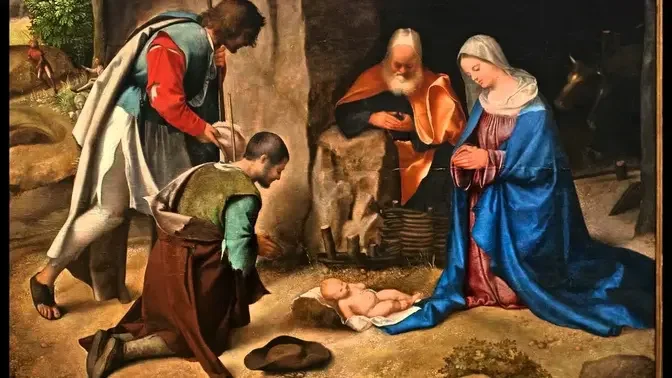
High Renaissance paintings coordinate the study of the human figure, convincing space, and carefully balanced composition. The term applies chiefly to Italian painting in the early decades of the sixteenth century, with related developments taking different forms in Florence, Rome, and Venice. Leonardo's Last Supper organizes the apostles' responses around Christ, while Michelangelo's Sistine Chapel ceiling builds sacred history through strongly modeled bodies and varied poses. Raphael's School of Athens gathers classical philosophers within the learned program of a papal room, using architecture to unify many individual figures. Venetian painters such as Titian develop another approach through color, light, and the handling of paint. Preparatory sketches, studies of living models, and full-scale drawings connect these finished images with practical workshop methods. Papal, religious, courtly, and private commissions shaped both their subjects and their intended settings.
Latest UpdatesLIVE




Shorts


View All
All featured content under High Renaissance Paintings


