
Harriet Tubman
Harriet Tubman
Harriet Tubman (c. 1822–1913) was an American abolitionist and humanitarian who escaped slavery and returned again and again to lead others to freedom. Born Araminta Ross into slavery in Dorchester County, Maryland, she endured hard labor from childhood and drew strength from a deep Christian faith. In 1849 she escaped to Philadelphia, but rather than remain in safety, she made some thirteen journeys back to Maryland, guiding about seventy people, including members of her family, along the Underground Railroad. Known as the "Moses" of her people, she later said she "never lost a passenger." During the Civil War she served the Union as a nurse, scout and spy, and helped guide the Combahee River Raid of 1863, which freed more than 700 people. In later years she cared for the elderly and poor in Auburn, New York, and supported women's suffrage.
Latest UpdatesLIVE


The American Civil War
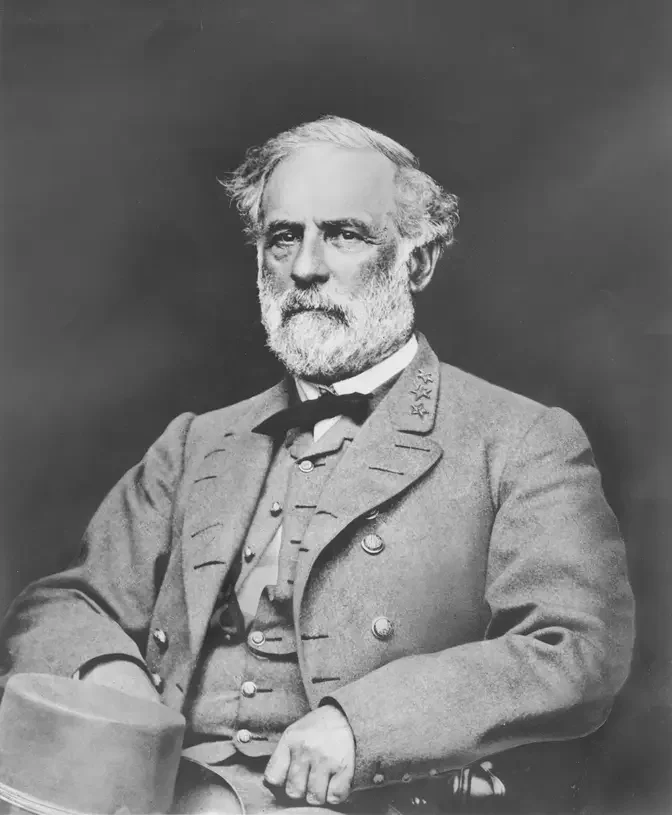
During the American Civil War (1861–1865), President Abraham Lincoln led the Union and issued the Emancipation Proclamation. Ulysses S. Grant rose to command the Union armies, while Robert E. Lee led the Confederacy's Army of Northern Virginia until his surrender at Appomattox in 1865. Harriet Tubman served the Union as a scout and nurse, and Clara Barton cared for wounded soldiers before founding the American Red Cross.

 2.5K followers




From Abolition to Civil Rights
William Wilberforce led the campaign that abolished the British slave trade in 1807, and in America Abraham Lincoln issued the Emancipation Proclamation while Harriet Tubman guided enslaved people to freedom. Booker T. Washington, born into slavery, built the Tuskegee Institute into a leading center of education. Mahatma Gandhi's method of nonviolent resistance later inspired Martin Luther King Jr. in the American civil rights movement.
- 2.5K followers

 797 followers

 59 followers


View All
All featured content under Harriet Tubman
