
Ulysses S. Grant
Ulysses S. Grant
Ulysses S. Grant (1822–1885) was an American army general who led the Union armies to victory in the Civil War and served as the 18th President of the United States from 1869 to 1877. A West Point graduate and Mexican–American War veteran, he left the army in 1854 and struggled for years in farming and business. The outbreak of war in 1861 proved the turning point: he rejoined the army and rose rapidly, winning at Fort Donelson in 1862 and taking Vicksburg in 1863, which gave the Union control of the Mississippi River. As general-in-chief, he accepted Robert E. Lee's surrender at Appomattox in 1865 on generous terms. As president he worked to protect the voting rights of freed people under the Fifteenth Amendment and signed the act creating Yellowstone, the first national park. His Personal Memoirs, completed days before his death, are regarded as a classic of American writing.
Latest UpdatesLIVE


The American Civil War
During the American Civil War (1861–1865), President Abraham Lincoln led the Union and issued the Emancipation Proclamation. Ulysses S. Grant rose to command the Union armies, while Robert E. Lee led the Confederacy's Army of Northern Virginia until his surrender at Appomattox in 1865. Harriet Tubman served the Union as a scout and nurse, and Clara Barton cared for wounded soldiers before founding the American Red Cross.

 2.5K followers


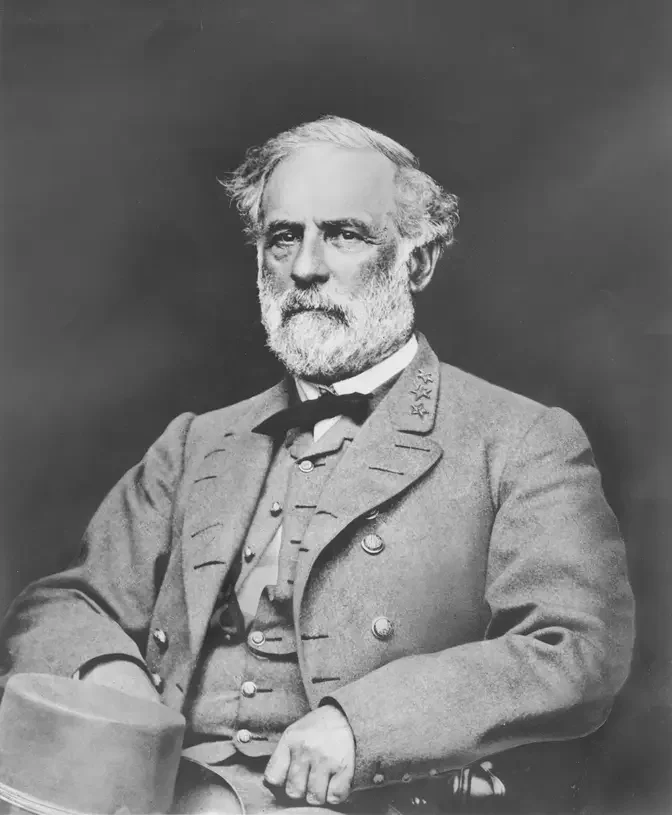


America's Great Generals
George Washington commanded the Continental Army through the War of Independence. In the Civil War, Ulysses S. Grant led the Union armies to victory, while Robert E. Lee commanded the Confederacy's Army of Northern Virginia. During the Second World War, Dwight D. Eisenhower served as Supreme Allied Commander in Europe, and George S. Patton led the U.S. Third Army across France. Washington, Grant and Eisenhower each later became president.

 48 followers
 2.5K followers

 3 followers




View All
All featured content under Ulysses S. Grant
