
Eastern Historical Architecture
Eastern Historical Architecture
Eastern historical architecture encompasses traditional buildings across China, Japan, Korea, Tibet, and South and Southeast Asia. Chinese imperial palaces use ordered plans to organize court life, while Japanese temple architecture preserves traditions of timber construction. South Asian rock-cut shrines, Mughal monuments, and Khmer temples at Angkor represent distinct relationships among religious practice, building techniques, and ceremonial space.


Latest UpdatesLIVE


Rock, Masonry, and Timber in Sacred Architecture
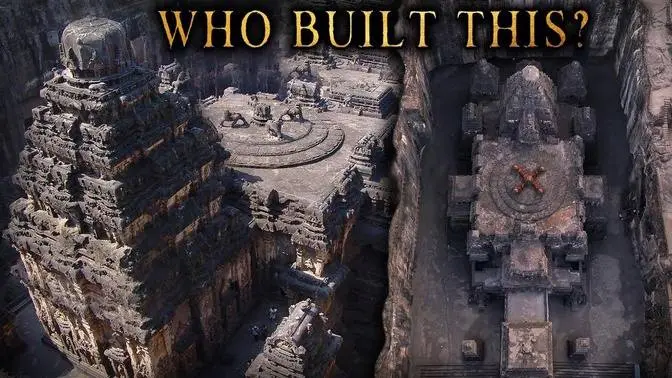
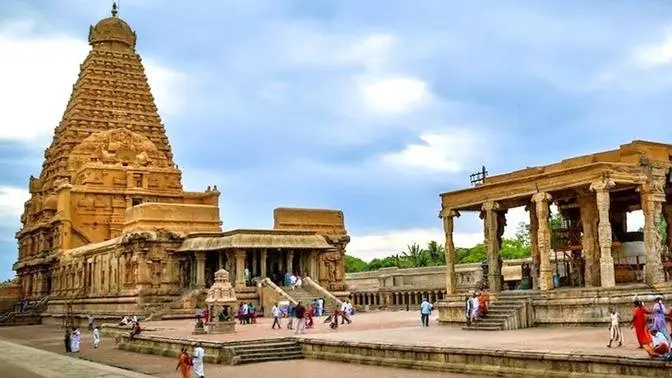
Kailasa and Brihadeeswarar contrast a temple excavated from rock with a monumental temple assembled from stone. Horyu-ji and the Hanging Temple bring timber construction into different sacred settings. Material, structure, and the relationship to surrounding space give these regional traditions a concrete basis for comparison.








View All
All featured content under Eastern Historical Architecture


