
Planquette/Rauski - Marche "Le régiment de Sambre et Meuse" (1876)
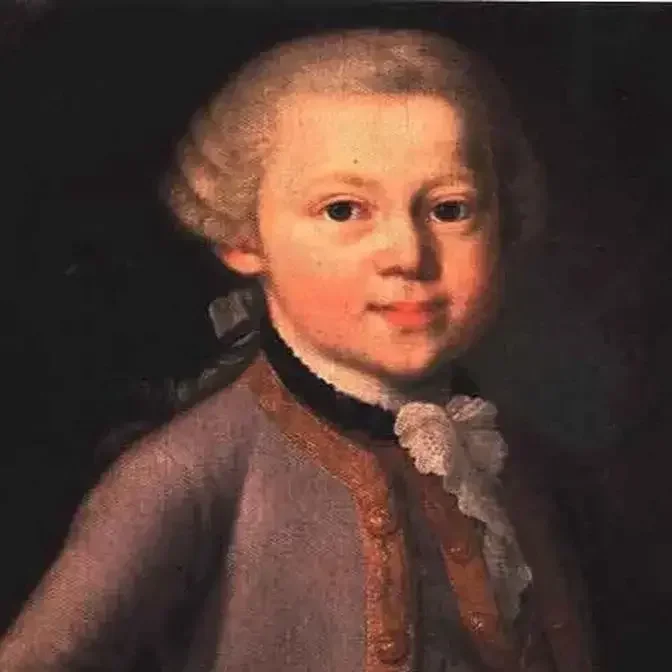
Jean Robert Planquette (31 July 1848 – 28 January 1903) was a French composer of songs and operettas.
Joseph François Rauski (13 February 1837 – 26 March 1910) was a French composer, military band leader, and chef de musique (music director) in the French Army.
Please support my channel:
https://ko-fi.com/bartjebartmans
Marche "Le régiment de Sambre et Meuse" (1876)
Originally a song (1870) with lyrics by Paul Cézano (1841–1887)
Royal Swedish Airforce Band cnducted by J. Johansson
The original song was composed in 1870 by R. Planquette. In 1876, Joseph François Rauski arranged and extended it into a military march (pas-redoublé), which is still often played in military parades. Rauski has always insisted that his march was not just an arrangement: "... out of the 179 measures, 118 are mine..."
This march became internationally popular in the late 19th and early 20th centuries and Rauski was widely assumed to have been the original composer. In the United States, the march is sometimes called the "French National Defilé March" and misattributed to French composer Arthur Turlet (who had composed a piano and orchestra arrangement of the piece). His name is also in the title of the sheet music in the video.
Since 1936, The Ohio State University Marching Band in the United States has performed "Le Régiment de Sambre et Meuse" as part of its pregame show during the Script Ohio formation. It is also a staple of the repertoire of the West Point Band, where it is known by the name "French National Defilé".
"Le Régiment de Sambre et Meuse" is often used for marches of the Belgian military schools in Brussels (KMS) and Sint-Truiden (KSOO) because of the historic link of this song with Belgium. In the most southern part of the Netherlands, the march is played often because of the historic link of this region with Belgium. We can also notify the use of this music in Marches of Entre-Sambre-et-Meuse.
"Le Régiment de Sambre et Meuse" is also used for the marchpast piece of the 1st Infantry Regiment Grenadiers Platoon of Chilean Army and the Air Force Academy of Bolivia. It is used as a marching song during the training of cadets and aspiring officers of the Brazilian Military Police in some states. The march is also used in the Mexican Naval Academy (Heroica Escuela Naval Militar) for drill instructions and parades on special visits. It was the regimental march of the Royal 22nd Regiment of the Canadian Army until 1939.