
Earl E. McCoy - Lights Out March (1905)
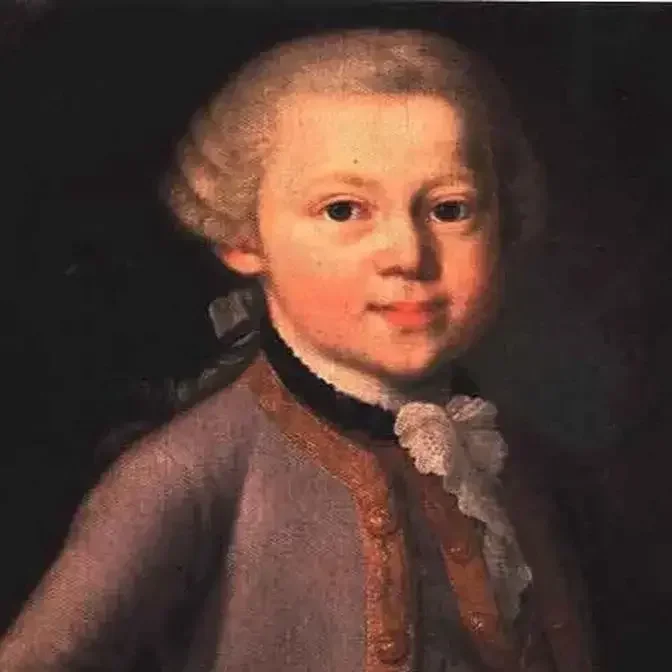
Earl Elleson McCoy (Indianapolis, December 6, 1884 – El Paso, July 13, 1934) was an American composer, conductor, oboist, trombonist, violinist, and pianist.
Please support my channel:
https://ko-fi.com/bartjebartmans
Lights Out March (1905)
Lyrics by the composer
Dedication: Colonel Cecil Lyon of the 4th Regiment Texas
Eastman Wind Ensemble conducted by Frederick Fennell
In a U.S. Army camp, “lights out” was the formal end of the day’s duties and the start of the night’s quiet period. It was a strict, regimented signal that marked the time soldiers were expected to be in their bunks, asleep, and silent.
The most common signal was the bugle call Taps, played by a bugler or trumpet at the end of the day. In most Army basic training and barracks, Taps was sounded at 2100 hours (9:00 p.m.).
Earl E. McCoy composed Lights Out March when he was 18 years old. The work was published in 1905 while he was a music student at the University of Illinois. The march was first performed publicly on March 3, 1906, by the University of Illinois Band at the invitation of director Albert Austin Harding, with McCoy himself conducting.
This piece later became an official U.S. government “taps” march, performed by bands such as Sousa and Pryor, and recorded by them.
The trio of this march is used with the text by Robert N. Fitch as the 'fight song' Fight for California of the University of California - Berkeley.
McCoy was among the founders of the El Paso Symphony Orchestra, the Dallas Symphony Orchestra, and the Dallas Band.