
Karl L. King - Cyrus the Great March (1921)
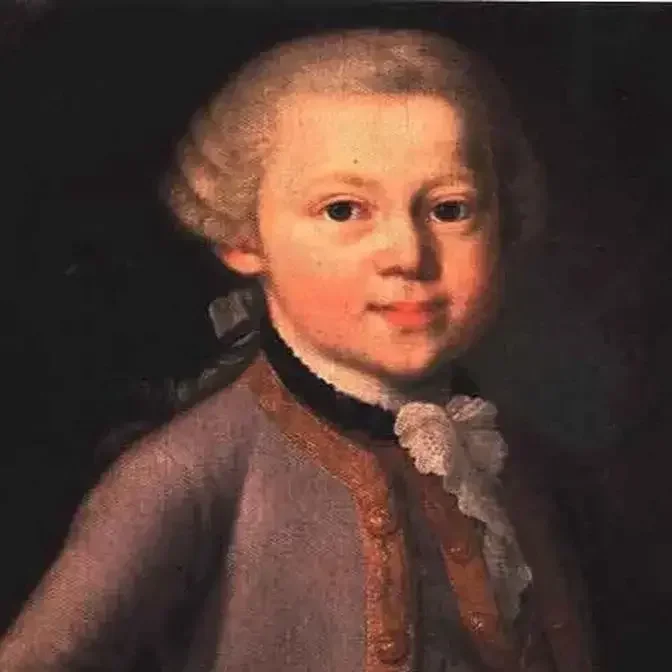
Karl L. King (February 21, 1891 – March 31, 1971) was a United States march music bandmaster and composer. He is best known as the composer of "Barnum and Bailey's Favorite"
Please support my channel:
https://ko-fi.com/bartjebartmans
Cyrus the Great March (1921)
Persian March
Dedication: To My Friend "Cy" Tremain
United States Air Force Heritage of America Band conducted by Lowell Graham
Karl King dedicated this march to a personal friend, "Cy" Tremain, but he also had the original Cyrus in mind as indicated by the subtitle "Persian March" and by his choice of rhythms and tonality.
Cyrus the Great (600?-529 B.C.) founded the Persian Empire (now Iran) by conquering the Medes in 550 B.C. Lydia in 546 B.C. and Babylon in 539 B.C. His warriors were excellent horsemen who carried light hide-covered shields and were highly skilled with bow and arrow. They conquered heavily armored troops by their speed and their surprise attacks. When Cyrus acquired Palestine he allowed the Jews to return there and to rebuild their temple in Jerusalem. He was killed in battle in 529 B.C. and buried at Pasargadae where the tomb ruins still remain.
King played Baritone horn in many circus bands including Barnum and Bailey's, for more than a decade. As is common in his compositions, Karl King made the baritone part a major voice in the march.
King was asked by the bandmaster of the Barnum and Bailey Circus Ned Brill to write a march for the circus. This has become his most famous composition, being called "the finest work written to celebrate 'The Greatest Show on Earth'" and is one of the most recognizable marches of all time.
King published more than 300 works: galops, waltzes, overtures, serenades, rags, and 188 marches and screamers. It could be said that King did for the circus march what Sousa did for the patriotic march. He seemed to like composing under pressure and often composed in tight spots (such as by oil lamp in cramped circus tents). His name appeared on the sheet music as Karl King, K. L. King, and sometimes Carl Lawrence.
His first known composition still extant was composed for the Thayer Military Band while he was performing it in – titled "March T.M.B." (1909). His first copyrighted work was "Moonlight on the Nile Waltz" (also 1909).
King's marches for circus bands are usually composed at a high difficulty level (grade 4–5 typically) American march music. He also contributed greatly to the school band movement with numerous compositions at various levels of difficulty.
In 1910 he wrote the march "The Melody Shop", created in E♭ with its trio section changing keys to the subdominant A♭ as is typical for marches and polkas. It is named after powell music company commonly known as "melody shop" from his hometown of Canton, Ohio. Excerpts of the march are commonly used in auditions for euphoniums and baritone horns auditioning for a spot in a military band, a university band, brass bands, and city and state ensembles. King released this march in 1910. This was King's first year as a circus musician.