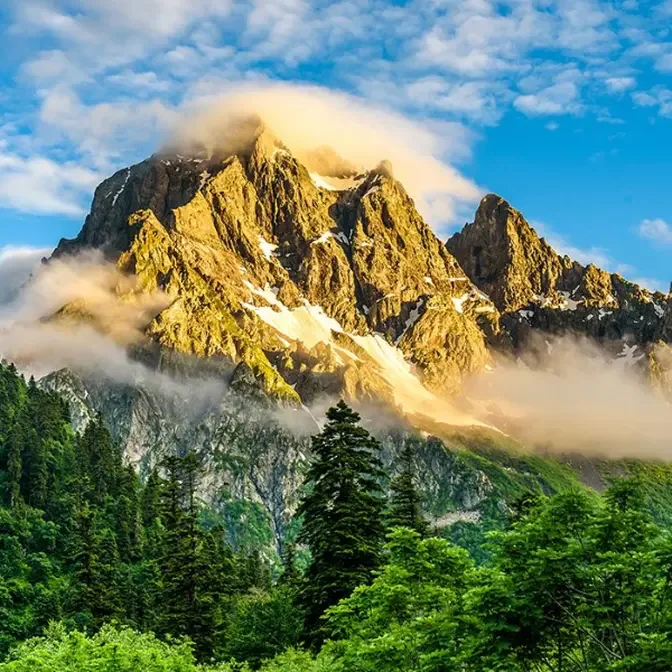
Western Horse And Mule Calendar Is NOW AVAILABLE! https://mtnbuiltmerch.com/products/20... Join us for a week-long pack trip deep into Wyoming's Bridger Wilderness in the Bridger-Teton National Forest. We're taking 10 mules 50 miles into backcountry where zero civilization exists - just mountains, alpine lakes, and the same trails Jim Bridger once roamed. This cinematic wilderness documentary captures our multi-day mule packing adventure through some of Wyoming's most remote terrain. We set up backcountry camp, fly fish pristine alpine lakes stocked by legendary conservationist Finis Mitchell, and experience the true western lifestyle that built this country.
WHAT YOU'LL SEE:
Packing 10 mules for a week-long wilderness expedition 50 miles of backcountry trails through Bridger Wilderness Backcountry camping in grizzly country Fly fishing remote alpine lakes Historical context about Jim Bridger and Finis Mitchell Cinematic storytelling that puts you on the trail with us Real western life with pack mules in Wyoming wilderness This is not a typical camping video. This is a cinematic journey into one of America's last true wilderness areas, filmed to make you feel every mile, every campfire, and every cast into crystal-clear mountain lakes.
THE HISTORY: The Bridger Wilderness is named after Jim Bridger, the legendary mountain man who trapped and explored this region in the 1800s. We follow in the footsteps of these early pioneers, using mules just like they did to access country that remains unchanged for over 150 years.
Finis Mitchell spent decades packing golden trout fingerlings into these remote lakes on horseback, stocking over 300,000 fish and creating the incredible fishery that exists today. His legacy lives on in every lake we fish.
When I was a kid, I told my mom that someday I would live in the mountains with my horses.
She asked how I would make money, and at the time I wasn't sure.
Little did I know that 22 years later, I would be riding into the backcountry on my Mule Clyde
with my husband and some good friends to film for a job.
Although I was raised in a rural area and grew up with horses,
I lived in a valley in western Oregon, far from any granite peaks or wilderness areas.
As I grew up and moved out on my own, I found myself moving east into the Rocky Mountains.
My husband Jason and I met, we purchased mules, and started to learn how to pack.
We created a YouTube channel as a way to share our adventures with family that still lived in Oregon,
not knowing it would lead to a full-time career in equine content creation.
I may not have known how I would make a living with my horses in the mountains,
but the dream I've been chasing since I was a little girl is now reality.
Today we're headed into the backcountry of Wyoming with mule and horse clinician Ty Evans,
his wife Skye, and his good friends Joe and Laurie.
Our job is to document the journey for Ty.
We have 12 miles of rough trails to cover before we reach the spot where we plan to set up camp.
We're riding into one of Wyoming's most rugged and remote wilderness areas,
a place carved by glaciers and shaped by wind, where the peaks rise sharp and the lakes sit clear and cold.
The trails here test both rider and mule, winding through miles of granite, alpine meadows, and old timber.
It's wild country, the kind of place that still feels untouched and reminds you just how small you really are.
The plan is to get camp set up tonight.
We'll let the mules graze for the remainder of the evening.
Starting tomorrow, we're going to ride out to some various high mountain lakes and streams to fish.
Ty loves fly fishing, and although he's on the road doing horse and mule clinics all year,
when he has a little time off, he loves to pack his mules into the mountains to fly fish.
We ride until we find a good place to camp.
We need a relatively flat spot for our tents.
We also need feed and water for the mules.
It takes us a little while, but finally we arrive at what seems to be the perfect spot.
Alright, we made it to our camp spot, and I think we'll probably put our tent there.
First thing is getting the mules lined out, and I think we're going to put our highline from this tree to that double tree over there in the distance.
Get them set up, then put the hobbles on and let them graze a little bit while we set up camp.
No, don't be ridiculous.
With all the mules full of mountain grass, spring water, and tied safely to the highline for the night,
we eat some dinner, enjoy the company of one another, and make a plan for where we are going to ride out and go fishing in the morning.
With a nice hot cup of coffee preparing in the front press, we turn the mules out in their hobbles to graze near camp.
While we enjoy the warmth of a hot cup on a cold morning, a visitor makes his way through the meadow.
A young bull moose.
The mules are curious, but don't seem to mind as he wanders through.
Joe keeps his eyes on the mules as they graze.
Him and Lori are going to stay back and camp today, while the rest of us saddle up and go fishing.
But first we're going to have some breakfast and let the mules graze for a few hours so that they can get their fill on the grass before we head out for the day.
I know, it's so pretty.
Yeah, I can see why so many people love it up here.
No roads, not even a chainsaw.
Ty is riding his young mule named Poppy.
This is only Poppy's eighth ride, so we take it slow so Ty can work on things as needed.
Alright Riata, that's how it's done.
Yeah, don't charge.
Playing in the water now?
Nice.
Wow.
That was awesome.
I know, it helps to hang out with you for like a month straight.
You're pretty.
We're heading a few miles deeper into the Bridger Wilderness, which means we will be over 20 miles from the nearest road on horseback.
We are headed to a high mountain lake known for its big brook trout.
Brook and golden trout were introduced into these high mountain lakes by stocking, which began in the early 1900s,
and was significantly advanced by mountain man Finnis Mitchell, and later managed by the Wyoming Game and Fish Department.
Golden trout were first brought to the state via eggs in 1920, with early introductions occurring in the early 1900s,
while brook trout, native to eastern North America, were also stocked widely across the range by Mitchell.
The views are breathtaking as we ride through the landscape, and then the lake comes into view.
We will stop here for the afternoon, let the mules graze, while we fish and have some lunch.
Here we go!
Well, it wasn't.
It's deep around that rock.
Yeah.
Come up and gobble it.
That's a good size, dude.
Yeah.
That's an eatin' one right there.
Yeah.
Nice.
Heck yeah.
After fishing at the lake, eating lunch, and letting the mules have a rest, we decide to ride back towards camp.
There is a nice creek along the way that looks like a great place to cast a line.
So we head back down the trail.
A little better.
A little better than the last one.
Nice.
Yep.
Bye, Jason. Don't you worry, bud.
It's a dry spell. It's been about 25 seconds.
I know a lot of folks prefer fly rods in these high mountain lakes and streets, and I get it.
There's an art to fly fishing that just fits this kind of country.
But for now, I'm still using my trusty spinning rod, even if it makes a few purists cringe.
Fly fishing is on my list of skills to learn, though.
And one of these days, I'll get around to it.
But for now, I'm just happy to be here, casting a line in good country.
With the afternoon growing long, we head back towards camp to turn the mules out to graze.
The light's getting softer, that golden hour's setting in,
and we decide to take a short hike to one last lake for a bit of evening fishing.
This morning's a cold one.
Frost set in overnight, and we're up early turning the mules out to graze and stretch their legs.
It helps them to warm up.
Today, we're all saddling up and heading to a different lake to fish.
The views along the way are supposed to be absolutely stunning,
and if the weather holds, it's shaping up to be a perfect day in the high country.
After a couple hours of grazing, we catch all the mules and highline them
so we can get them tacked up and ready to go on our ride.
Riata, Ty's mule, gets the day off today,
and she's making the most of it by finding a belly scratcher.
Once everyone's saddled up, we head out for the day.
We're going to cover a few miles of country to get to where we're fishing today.
Fishing in the lake turns out to be a bust, so we move to a smaller stream running out of it.
When the bites stay slow there too, we decide to keep moving and try another spot.
The scenery along the way more than makes up for it though.
Absolutely stunning country everywhere you look.
Perfect. That's a quick release.
We settle in at a stream, and it isn't too long before we start catching brook trout.
It's been an amazing day, and the fish are really starting to become active.
This wilderness was established in 1964.
It is named the Bridger Wilderness after mountain man Jim Bridger,
who was active in the area during the 1800s.
It's managed by the Forest Service and is one of three wilderness areas within the Bridger-Teton National Forest.
You may have noticed the old decaying cabins we rode past.
Those were Forest Service guard stations back in the day,
now fallen over with rot from the harsh conditions of this high country.
Woohoo! It's massive!
Thunderstorm
After quite the thunderstorm last night, the mules are happy to spend a few hours grazing in the morning sun
before we saddle up for one last day here in the Bridger Wilderness.
Tomorrow we'll load up camp and head back to reality.
For now, we're soaking in every bit of peace and solitude this place offers.
Trips like this give us a small glimpse into what life might have been like in the past.
Only these days we have a few modern comforts that make staying in the backcountry a whole lot easier.
After a few days spent in this little meadow, it's starting to feel a whole lot like home.
I'm thankful for wilderness areas such as this that have been left undeveloped.
Looking out across the landscape, this place most likely looks the same now as it has for hundreds of years.
I imagine mountain men like Finnis Mitchell and Jim Bridger
stared up these same peaks from their own saddles and couldn't help but smile.