
Sir Hubert Parry - Piano Quartet (1879)
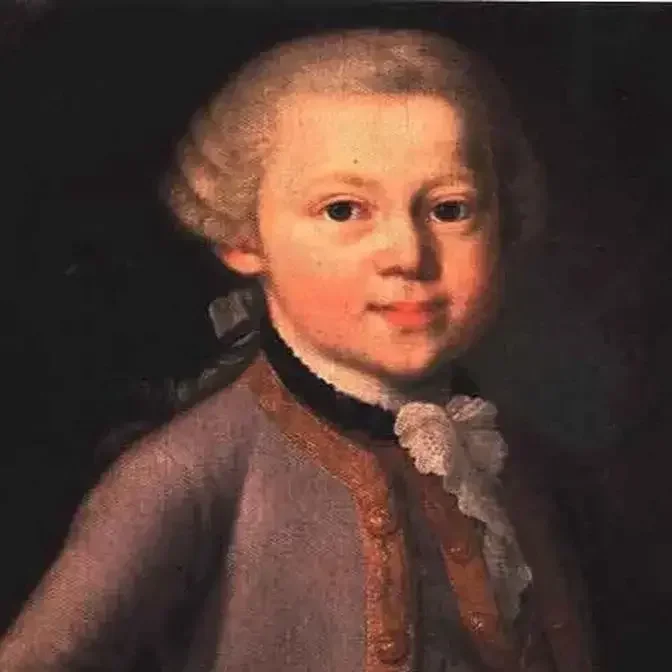
Sir Charles Hubert Hastings Parry, 1st Baronet (27 February 1848 – 7 October 1918) was an English composer, teacher and historian of music. He was also an enthusiastic cruising sailor and owned successively the yawl The Latois and the ketch The Wanderer. In 1908 he was elected as a member of the Royal Yacht Squadron, the only composer so honored.
Please support my channel:
https://ko-fi.com/bartjebartmans
Piano Quartet in A-flat Major (1879)
Dedication: To Mrs. Dannreuther
1. Lento ma non troppo - Allegro molto (0:00)
2. Presto (9:45)
3. Andante (16:18)
4. Allegro (23:59)
Leonore Trio
Benjamin Nabarro, violin
Rachel Roberts, viola
Gemma Rosefield, cello
Tom Horton, piano
Hyperion Records
Details by Edition Silvertrust:
The well-known music critic and scholar H. C. Colles noted that Hubert Parry, in his fine Piano Quartet, anticipated the cyclical use of thematic material for which Cesar Franck was later given credit. Parry's Piano Quartet of 1879 must be considered one of the best and most important piano quartets written by a 19th century English composer. And it certainly would have received more attention outside of Britain had Parry been say German rather than English.
Charles Hubert Hastings Parry (1848-1918) was born in Bournemouth, England. As far as music went, he received some lessons on the piano as a youth but did not formally study music. He was educated Eton and Oxford and though he showed an extraordinary aptitude for music, he took a degree in law and modern history as his father wanted him to have a career in commerce. From 1870 to 1877 he worked in the insurance industry, but at the same time studied with William Sterndale Bennett, and later with the pianist Edward Dannreuther when Brahms proved to be unavailable. After leaving the insurance industry, Parry became a full-time musician and during the last decades of the 19th century was widely regarded as one of England’s finest composers. In the 1890s he became director of the Royal College of Music and was appointed Professor of Music at Oxford. Among his many students were Gustav Holst, Ralph Vaughan Williams, Frank Bridge and John Ireland.
The opening movement, Lento ma non troppo--Allegro molto, begins with an imposing, slow introduction which hints that this is to be a work of epic proportions. And, indeed, it is. The main theme is has a decisive march rhythm which quickly leads to a dramatic climax. The development is handled with a real sense of exuberance. Coles called the Presto which follows one of the most original scherzos written since the time of Beethoven. The slow movement, Andante, which comes next showcases Parry's instinctive gift for melody, which he is able to develop in a leisurely manner until he is ready to meticulously create an impassioned climax. The finale, Allegro, begins with a theme full of elan while the secondary subject, first heard in the strings has choral quality sometimes used by Wagner. It is here, that we find references to all of the preceding themes in a manner which superbly sums up the entire work.