
Josef Strauss - Delirien Waltz, Op. 212 (1867)
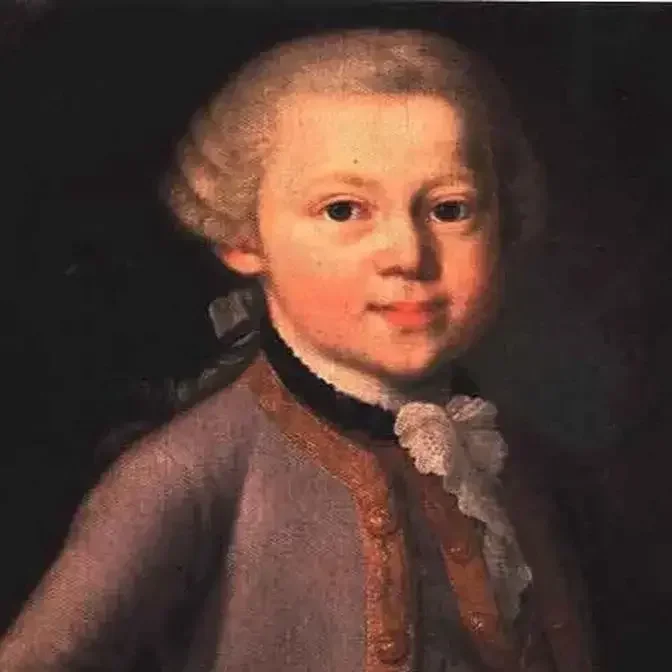
Josef Luckhardt Strauss (20 August 1827 – 22 July 1870) was an Austrian composer. He was the brother of Johann Strauss II and Eduard Strauss. His father wanted him to choose a career in the Austrian Habsburg military. He studied music with Franz Dolleschal and learned to play the violin with Franz Anton Ries.
Please support my channel:
https://ko-fi.com/bartjebartmans
Deliren Waltz, Op. 212 (1867)
Dedication: den Herren Hörern der Medizin an der Hochschule zu Wien
Wiener Philharmoniker conducted by Willi Bovskovsky
If Josef Strauss had not been plagued by illness, which resulted in his death at the age of forty-three, and if he had been as ambitious as his brothers, he might well have turned out the greatest composer of the three. He might even have graduated from the ballroom to a prominent position in the concert hall. The introduction to his Delirien (Delirium) Waltz is a tiny tone poem depicting the nightmare vision of delirious sleep. Its main theme, which is appealingly anticipated by a solo flute shortly before its definitive entry on violins, is characteristic of Josef in its sensitively drawn contours and, amid the abundance of waltz tunes that follow, there is a rapturous example of the extended melodic line in which he excelled.
Josef Strauss wrote 283 works with opus numbers. He wrote many waltzes, including: Sphären-Klänge (Music of the Spheres), Delirien (Deliriums), Transaktionen (Transactions), Mein Lebenslauf ist Lieb' und Lust (My Character is Love and Joy), and Dorfschwalben aus Österreich (Village Swallows from Austria), polkas, most famously the Pizzicato Polka [It] with his brother Johann, quadrilles, and other dance music, and also some marches. The waltz The Mysterious Powers of Magnetism (Dynamiden) with the use of minor keys showed a quality that distinguished his waltzes from those of his more popular elder brother. The polka-mazurka shows influence by J. Strauss II, where he wrote many examples like Die Emancipierte and Die Libelle.
Josef Strauss was sick most of his later life. He was prone to fainting spells and intense headaches. During a tour in 1870, he fell unconscious from the conductor's podium in Warsaw while conducting his 'Musical Potpourri', striking his head. His wife brought him back home to Vienna, to the Hirschenhaus, where he died on 22 July of that year. A final diagnosis cited only decomposed blood. There were rumors that he had been beaten by drunken Russian soldiers after allegedly refusing to perform for them one night. A specific cause of death was not determined, since his widow forbade any autopsy. Originally buried in the St. Marx Cemetery, Strauss was later exhumed and reburied in the Vienna Central Cemetery, alongside his mother Anna.