
Plato
Plato
Plato (c. 428–348 BC) was an ancient Greek philosopher of Athens, the student of Socrates, the teacher of Aristotle and the founder of the Academy, one of the earliest institutions of higher learning in the Western world. Born into a distinguished Athenian family, he first expected a public career, but the trial and death of Socrates in 399 BC turned him decisively toward philosophy. Around 387 BC he founded the Academy, which endured for centuries. His dialogues, with Socrates usually as the leading speaker, include the Apology, Phaedo, Republic and Laws. In them he argued that true reality lies in eternal Forms such as the Good, the Beautiful and the Just, illustrated by the allegory of the cave, and described the virtues of wisdom, courage, moderation and justice. His thought shaped later philosophy, early Christian theology through Augustine, and Western ideas of education and the just society.
Latest UpdatesLIVE


Teachers and Pupils of Ancient Greece
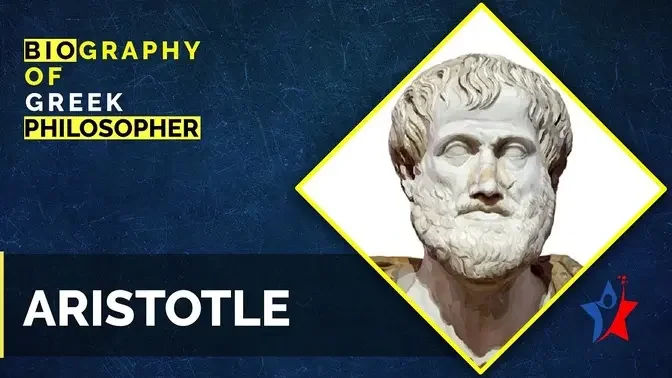
Socrates taught in Athens through searching questions about justice and virtue, and his student Plato preserved his ideas in dialogues and founded the Academy. Plato's pupil Aristotle wrote on logic, ethics, politics and the natural world, and later tutored the young Alexander the Great, linking the founders of Western philosophy to the king who carried Greek culture across Asia.

 24 followers

 7 followers




Sages of the Axial Age
From about the eighth to the third century BC, great teachers arose independently across the ancient world, an era the philosopher Karl Jaspers called the Axial Age. In China, Lao Tzu taught harmony with the Tao and Confucius taught virtue and proper conduct; in India, Shakyamuni Buddha taught the path to enlightenment; and in Greece, Socrates and Plato examined how to live a good life.

 107 followers
- 24 followers


View All
All featured content under Plato


