
John Singer Sargent Watercolors Paintings Palette technique tutorial Art History Documentary Lesson
Sep 15, 2025
Today we are going to look at John Singer Sargent Watercolor paintings. Watercolor tutorial with techniques and Sargent's watercolor palette. Come and see this short Art History Documentary Lesson. (Oil and Acrylic painting Supply Art Link http://www.williamakridge.com/art-supplies-.html )
Sargent's watercolor palette
Alizarin Carmine, Brown Pink, Burnt Sienna, Cadmium Yellow Pale, Chrome Yellow, Cobalt Blue, Gamboge, Lamp Black, Rose Madder, Ultramarine Blue, Vandyke Brown, Scarlet Vermillion, Deep Vermillion, Viridian, and an opaque white.
Fun Shirt Shop Tee Designs ( https://www.redbubble.com/people/BillAkridge/explore )
My Website ( http://www.williamakridge.com)
My Graphic Design site ( https://agedlimited.com )
Every time I paint a portrait I lose a friend. John Singer Sargent said this.
Today we are going to look through some of his watercolor works. See why he preferred watercolors
over oils. Bright, beautiful and direct with a childlike view of his world. See you on the other
side. Please click and subscribe, hit the like button and don't forget the little bell so you
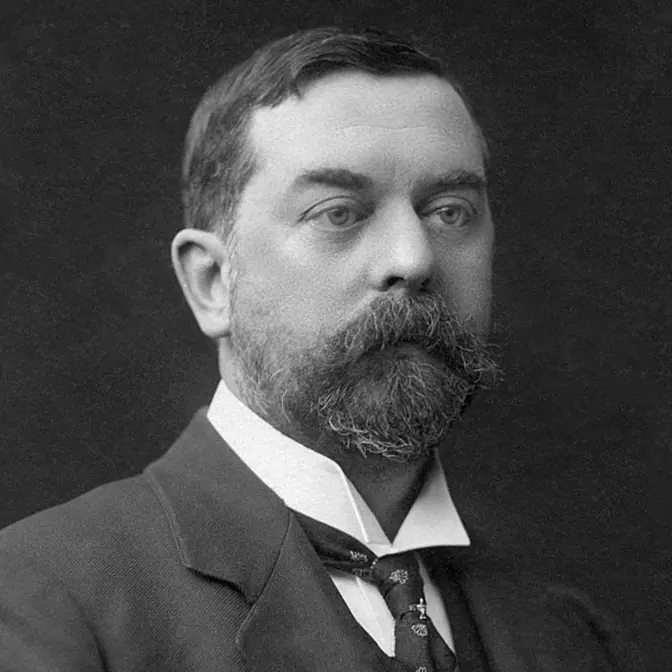
John Singer Sargent, 1856-1925, was one of the most successful portrait painters to ever live.
Famous for his portraits but, was also a gifted landscape painter and watercolorist.
Born in Florence, to American parents. Sargent studied under Emil Auguste Carolus Duran.
Duran's studio was progressive, dispensing with the traditional academic approach which required
careful drawing and underpainting, in favor of the alla prima method of working directly
on the canvas with a loaded brush, derived from Diego Velasquez. It was an approach which relied
on the proper placement of tones of paint. Sargent's fame comes from his finely rendered
oil portraits. At his peak, he was one of the most sought after artists for portrait commissions.
But, he was also a remarkable watercolorist. His watercolors are generally much more relaxed,
with loose brushwork and an impressionist feel. After slaving away over his portrait commissions,
of demanding patrons, he may have lost some of his passion for painting.
Watercolors was a refreshing break. He created over 2,000 watercolors in his lifetime.
Sargent used long, sweeping strokes and careful tones of light and darks to capture a subject.
Some parts of his watercolor works used intricate brushwork but for the rest of the painting,
he used a variety of strokes to merely give the impression of his surroundings.
Nothing more than an abstract arrangement of light and dark shapes.
His watercolors were painted with much less detail, but still appears realistic. Sargent
used accurate values, colors, and shapes. Sargent used thin, transparent washes of color for most of
the painting. He then added dark, opaque accents around the center to really draw your attention.
Sargent's watercolors are nothing but simple and playful washes of color.
His watercolor palette, Alizarin Carmen, Brown Pink, Burnt Sienna, Cadmium Yellow Pale,
Chrome Yellow, Cobalt Blue, Gamboge, Lamp Black, Rose Matter, Ultramarine Blue, Van Dyke Brown,
Scarlet Vermilion, Deep Vermilion, Viridian, and an Opaque White.
I'll put these in the description below so you can easily see the colors.
Unlike oils, watercolors are highly portable and dry fast.
This allowed Sargent to create so many artworks while traveling all over the world.
Sargent never made attempts to sell his watercolors. Making most of his fortune from
his portrait commissions, selling his watercolors was not a high priority. While he generally
preferred to leave parts of the paper bare to delineate highlights, he also used opaque,
zinc white paint to create some of the highlights. Sargent often made multiple paintings in one day
and would put his paintings in between sheets of newspaper for protection as he carried them.
Sometimes the watercolors was not dry and the newspaper stuck to the paintings,
leaving parts of the news in his work. He would also use wax, he marked the paper with wax that
would repel the watercolor to leave highlights in the composition. He encouraged his students to
paint many studies on the same subject. He would say, you can't do sketches enough. Sketch everything,
keep everything and keep your curiosity fresh. Using complex effects of light,
which emanates from an unseen source and so resembles the inner glow of memory.
Sargent was also incredibly daring, taking huge risks with big brushes at every step of the
painting. It's not just pure boldness and freedom, though, because he's also deliberate and considered.
Using impressionist philosophy of the time, he studied the effects of sunlight,
a philosophy that Sargent followed. So there you have it, a simple introduction to Sargent's
watercolors. Hope you had fun and learned something. Please subscribe for more art informational videos.
Thanks for watching.