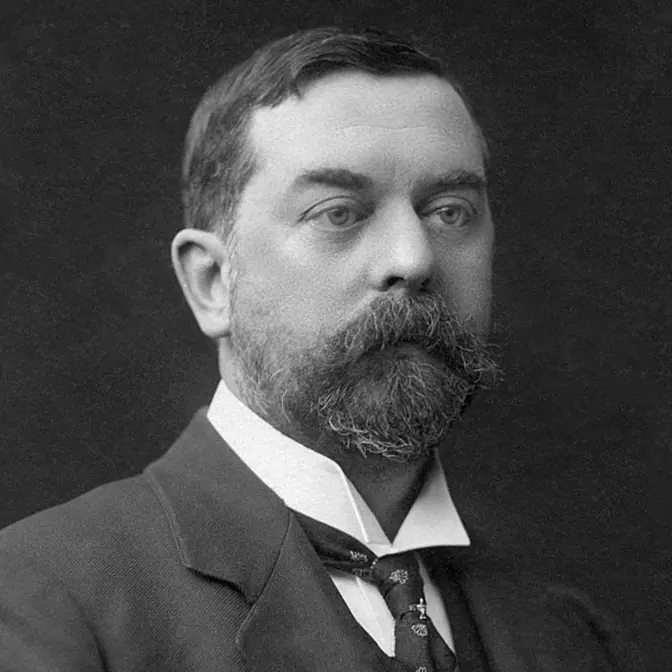
Tate Britain opens a major exhibition dedicated to the great portrait painter John Singer Sargent (1856-1925). It reveals Sargent’s ground-breaking role as a stylist, fashioning the image his sitters presented to the world through sartorial choices. Staged in collaboration with the Museum of Fine Arts in Boston, the exhibition features 60 works, including rare loans as well as works drawn from Tate and MFA’s extensive collections. These are shown alongside more than a dozen period dresses and accessories, many of which were worn by his sitters. Several of these garments have been reunited for the first time with Sargent’s portraits of their wearers, offering a fresh perspective on the most celebrated portraitist of his generation and the society in which he worked.
Sargent was renowned for the ability to bring his subjects to life. Rather than being driven purely by the sensibilities of his wealthy clientele, he used dress and fashion as a powerful tool to establish their individuality while proclaiming his own aesthetic agenda. He worked collaboratively with his sitters, but also took creative liberties, changing and omitting details as he saw fit. He regularly chose their outfits or manipulated their clothing, as in Lady Sassoon 1907, which is displayed at the start of the exhibition alongside the original black taffeta opera cloak worn in the image, revealing how he pulled, wrapped, and pinned the fabric to add drama to his portrait. In this respect, Sargent was working in a similar way to how an art director at a fashion shoot would today.
The exhibition tells the stories behind the artist’s key patrons, including nobility and influential members of the community. Collectively, Sargent’s portraits of the elite comprise the most compelling representation of fashionable high society at the turn of the decade. Highlights include Lady Helen Vincent, Viscountess d’ Abernon 1904 and Mrs. Charles E. Inches (Louise Pomeroy) 1887, which is juxtaposed with the red velvet evening dress illustrated. The regalia worn by Charles Stewart, sixth Marquess of Londonderry at the Coronation of Edward VII 1904 is reunited with the painting to show how the artist conveyed both rank and personality through clothing. Sargent was able to take even more creative freedoms with non-commissioned portraits, such as his iconic painting of socialite Virginie Amélie Gautreau, Madame X 1883-4, which caused a stir at the Salon by salaciously showing Mme Gautreau with one diamond strap falling from her shoulder. The exhibition presents both Tate and The Metropolitan Museum of Art’s versions of this infamous work. Sargent’s artistic process and relationships are further explored using photographs, drawings, garments, and accounts written by his sitters. Key works such as Mrs Montgomery Sears 1899 are shown alongside Mrs Sears’ own dresses and her photographs of Sargent at work, while Mrs Fiske Warren and her Daughter Rachel 1903 is displayed with photographs documenting the portrait sittings in process.
Sargent and Fashion also explores the artist’s subversion of social codes and conventions through portraiture. His clothing choices suggest the blurring of characteristics that once defined masculine and feminine appearance, reflecting the shifting ground of traditional gender roles at the end of the 19th century. Sargent's portrait Vernon Lee 1881 exemplifies this approach. Lee was the pseudonym of the British writer Violet Paget, who used the name professionally and personally. Her preference for severe, almost masculine clothing, shows a refusal to conform to conventional notions of femininity. The exhibition also features one of Sargent’s most dramatic and unconventional male portraits, Dr Pozzi at Home 1881, depicting the aesthete surgeon Samuel-Jean Pozzi in a flamboyant red dressing gown and Turkish slippers.
Robert Hunt, arttop10.com. And here we are today at Tate Britain in London. And this is the Sargent
and Fashion Press View, a major exhibition dedicated to the great portrait painter John
Singer Sargent. And it's obviously as you can see by like this, the dress over here on the right,
and you'll see the dresses around it sort of matching up Singer Sargent with the fashion.
And it's going on about how he actually kind of like quite purposely styled the fashions
of the people he painted. So like, for instance, this, I think it's like a sort of theatre cloak,
with like a little pink sash through it. But he particularly carefully pinned these things
on his victims or his people he was painting. And so he could, you know, dramatize the dress as it
So you can see the dress there, which looks like kind of, you know,
black, you can see that hint of pink. But then if you come over to the portrait,
the painting itself, you can see he's really brought out all that pink flashiness of the thing
to really dramatize the whole thing. I cannot help thinking that the woman's right arm looks
like a chicken foot. But that's just really weird, frankly. One of the things actually quite
interesting beyond all this stuff about the fashion, is it's absolutely beautifully painted.
And he said he liked doing black on black painting like Frans Hals. But you can see all this
beautiful black, you've got like a very, very dark raw umber background to that painting.
Then on top of that, you've got these differing blacks, you've got a real dark and light
contrast going on there, which is absolutely fantastic.
Don't want to forget about that when you're looking at the fashion bit. Apparently,
he would spend so much time pinning these clothing onto the people, they get jabbed with
the little pins. But anyway, so the exhibition, I guess, is trying to say that he not just painted
the people, but he spent quite a long time, quite literally staging them. So he would stage
these people before he painted it. So it was all contrived. And yet you still got quite,
if you look at that picture, you can still really see that woman's face and you get a sense of her
personality. And maybe the yellow and the pink is meant to be a sense of her personality as well.
Anyway, she's got really good eyes. Anyway, let's keep on strolling and see what happens
in room two. So here we are in room two, women in black, loads of paintings of people in black.
As we already said, Sargent loved using black. And it just so happened around about this time,
they also managed to make new different blacks for clothing. It's quite funny. It's a good story
here that when he went to visit Claude Monet, Sargent couldn't do any painting at all because
Monet didn't have any black. Anyway, there's quite a few funky paintings in here. There's this
great painting over here of, sort of meant to be a kind of statuesque old style pose. But when he
first painted this, he painted her with the strap falling off her arms. I think you can see in this
photograph, it's a photograph that originally the strap was falling off her arm. But it caused
absolute outcry and trauma and unhappiness by everybody that went completely mad about the fact
that the strap wasn't on her arm. And eventually it had to be painted back on. And he left Paris
in disgrace as that strap was not on there originally. It just shows you how upset people
get about things. Kind of like the way my TikTok about Yoko Ono was banned by TikTok because of
the naked bottoms. What you got to say again, like all these things, the paintings are just
magnificent. I mean, look, look at the absolute amazing black bows. When you look at them quite
closely, there's so little there. They're just like little swishy brushstrokes. It's not overworked
or traumatised. Even all that lace is done so gently. You know, that beautiful grey sort of
neck lace, and obviously the black and white contrast, just a hint of the blue
in the necklace of the boy. And you got blue shadows on his trousers, which is kind of cool.
They're really beautiful paintings. Really stunning. You got that lovely dark background
on that one. Then over here on this woman, you've got a more, I don't know, is that like a
white and burnt umber background? But you still got to look at that. Fantastic.
Black and white and the left arm of that woman over here. Such an amazing kind of grey.
It's just creeping out into the light, the grey. But look, you still got an amazing face.
It's got a lot of detail in the face, even though the rest of it's quite
gentle. Let's have a quick glimpse of these other two over here.
So this one's got a bit of pink at the bottom, just to jazz up the black and a bit of gold.
It's a really heavily glazed, this one, with much more like a sort of burnt umber back.
This one over here, that looks weirdly like a, but it isn't. That's Jane Evans,
who ran a boarding house at Eton College, wearing a tailored black wool suit,
relieved only by a gold fob chain, a symbol of her position.
It's brilliant, she was described as able to see through a boy as if he were a pane of glass.
Oh, I see in her clothing, masculine style and severity conveys an air of authority, which it
does. Sergeant later recalled his surprise at the honesty, directness and power of her personality.
Look at that amazing bit of dark black here. You've got all the black clothing, but darker blacks.
It's weird how you can have so many blacks in a painting. Absolutely stunning. Well, let's room on.
Okay, so we're in room three, which is sitting for Sergeant.
And just talking about people who suffer, basically, we've got this cracking painting
over here called Miss Elise Palmer, a lady in white. But it's absolutely wonderful,
this painting. Look at that, you've got that sort of crinkly cream dress she's wearing,
but then on top of that, you've got that extraordinary soft lilac sort of shawl. And
you can see the texture of the two of those things. Then you can see the softness of the
hair and the hardness of the wood behind. Quite extraordinary. How well he's done there. Apart
from it, she does look like something out of a Stephen King novel, he might come murder you.
But it is still pretty cool. She said it went on for days, the painting, which is quite interesting.
Sergeant seemed to be quite a private person from what it says here.
And then they also talk about how apparently there's this massive link between fashion
and painting. And people would actually say when they bought a gown, they would say,
will it paint? Intriguing comment. You've got these also extraordinary drawings by
Sergeant over here. Look at that, you can see just amazingly good he was at drawing.
Which is interesting. Look at that. All those lines are so perfect.
And then loose as well. And you've got quite a lot of other fancy pictures in here. You've
got this one here. Where does this come from? I've seen this before somewhere.
Harvard Art Museum. Maybe anyway, but that's quite interesting. Nothing in here is black,
particularly going for different colors. Look at this extraordinary one here. She looks really,
really like a thin thing. Those little white, violet sections of the painting as well.
This is Robert Harrison. Apparently he was a friend of her, showing their passion for music.
Oh, this is a good one. This one prancing about with her arms out. This is Hugh Hammersley.
Became good friends with her. Regularly hosted him at her London home alongside artists,
Walter Zucker and Augustus John. Intriguing, isn't it? She recalled of sitting for Sergeant
that some days he would work the whole time without ceasing as one possessed,
while others would spend playing the piano, which he did charmingly. Intriguing. Oh,
wow. What's that? Sergeant's studio. Check it out. Looks nice.
Look at it. It almost looks like a weird robot in the center of that room. Good windows.
Nice. All right. And over here, I presume these are,
that must be a couple of that. But down here, this must be, has he got that? Oh,
that's the weird one. It's not so much black, but a lot of white in that one.
As a child with the big flowers. Look how loose those flowers are. Now,
is this the dress? Who is wearing that dress is the question.
Is this the House of Worth, these dresses? Is that the dress that's over here? Can't tell.
Doesn't seem to be the dress that's being worn. Anyway, wonderful. Oh, man, look at the pink of
those arms. And you can actually see the flesh coming through the sort of see-through taffeta.
Absolutely amazing. The bodies are always quite loose and the heads are always far more
galvanized and organization. We've got a big yellow dress over here, I think. So these are
just sort of examples of dresses in the House of Worth. Charles Frederick Worth, designer who
dominated Parisian fashion in the second half of the 19th century, born in English England,
then moved to Paris, found an apprenticeship in London. His most successful years coincide with
the height of Sagan's career as a portraitist. How bizarre. Intriguing. Let's just have a little
look at the pictures down this side as well. So you've got these two. I've seen that painting
before. Look at that massive vase in the corner. Absolutely bizarre. That's quite thick, some of
the paint on this one. And you can feel again the sense of the sort of velvetness of that red,
red dress. These two posed for Sagan in the drawing of the home.
Betty wears a red velvet evening gown and holds an open fan. Oh yeah, and the one on the right
began selling at the Slade School of Art shortly after, when they ran a gallery in London.
It's intriguing, he seems to have kind of been networking with high net worth individuals at
the same time, doesn't he? Intriguing. And then these two here. Oh man, that's quite a freaky
picture. With the head just lurking on the side there. Mrs. Fake Warren and her daughter Rachel.
There's actually photos of them over here in the corner. That's quite freaky, I think that actually
appears to be photos of them. Oh, Sergeant Painter, the poet and scholar, Gretchen Watson and her
daughter Fenwick. That must be photos of the thing happening. Although you can't help wondering it
was like AI generated, but quite extraordinary. Check out Sergeant prancing around with his
paintbrushes and his cigarette. Right, let's keep on strolling into the next room.
Got a couple of pictures here of Sergeant drawing Ethel Barrymore, not Drew Barrymore,
Ethel Barrymore. But I kind of like these pictures, quite fascinating of him. Look at him
holding his cigar, sketching away, looking quite serious, a bit like a sort of weird Churchill.
Quite intriguing, quite intriguing.
Just got a little vibe of this room here, which is pretty good, frankly. It's quite a nice
exhibition, much larger than I thought it was going to be. Although all these dresses don't
necessarily seem to be on the sitters in this room. I think just here is a demonstration of
the kind of thing that happens. Room four, I think is talking about how while in his commissioned
portraits, you know, very somewhat masculine, somewhat feminine here, there's a bit of a blurring
of those identities. But apart from that, this is absolutely brilliant picture over here of Sir
Philip Sassoon. You got a great painting of him there looking dramatic and intense with his hand
out. But then if you contrast that with his actual photo, it's quite extraordinary because
in all honesty, he's far more interesting in the painting than he is in the photo. And the photo
is quite boring. Looks a bit sort of chubbier and a bit more straightforward. But in the
painting, he's absolutely mega dramatic, rather enigmatic. It's quite interesting how you can see
really dramatize them in the portrait. So much more interesting in the portrait than they are
in the photo. Let's have a little stroll over here. This guy was a doctor. I think he wore quite
flamboyant suits. He dressed in fashionable tailor suits. But in this he's at home subverting the
conventions for portraits of professional men by depicting the intimacy of domestic space wearing
a crimson dressing gown and Turkish slippers. But beyond that, it's quite interesting. I mean,
if you look at his hands, you can see he's got these really kind of feminine hands tucked into
that belt. Sort of long, slender, thin. It's quite interesting. They are quite sort of
feminine and soft. And he looks good in his red outfit. He's got his little Turkish slippers
peeking out the bottom, which is quite funky. We stroll back over here. You've got this
woman with just a head popping out in a sort of dashing moment. And then over here on the right,
this is what they said was like the epitome of a sort of late 19th century dandy. When he turned
up sergeant said this guy had to wear this guy otherwise known as Graham Robertson had to wear
this long black coat. Yeah, so it's quite interesting. Got some rather nice looser
pictures over here in the corner as well. These are Vernon Lee. These are a bit more unfinished,
but they're rather kind of loose and funky. Look at that lovely you can see that burnt
umber before it's reorganized in the back of that picture there, which is nice.
And then again, in this one, you can see the scribbly sort of grey in the background here.
Quite interesting. He must have really worked these pictures up over time.
Because they're quite scruffled and nice at this point, and then they become more and more organized.
Intriguing. Really nice. Really good. You can really see the painting. Oh,
you can look at this one again here probably. You can see all that lovely brown scruffled on
in the left hand side there. That sort of burnt umber. Even when he's done it quickly,
you can see the glasses. He's quickly whipped in a little sort of glint of light across the glasses.
Really, really amazing painting. This is Violet Paget. Vernon Lee chose a name because of the
leading antecedent of her wish to be a man or woman. Her preference for severe or masculine
clothing indicates her refusal to conform to contemporary patterns of femininity.
Wonderful picture. Room five, performance. Portraits are performances negotiated between
sitter and artist. So it's a bit about how the sitters love to dress themselves up and dressing
up and sort of flamboyantly prancing around was sort of the kind of thing done at this time
anyway. So for instance, like you got over here, this really good yellow dress, La Carmencita,
Carmen del Socorro Moreno, better known as Carmencita, is a Spanish dancer who performed
across the United States, Europe, and South America. Sargent found her bewilderingly superb
and saw her perform on multiple occasions in New York where he painted her in a borrowed studio.
She also danced at a private party at his studio in 1895. It was quite nice, you can actually see
the dress, you've actually got the dress and the painting of the dress. The dress is actually kind
of quite fantastic in real life. Look at it with those sort of beautiful pearls and jewels encrusted
into it, a fig. Look at it, you've got really nice orange, yellow and yellow. She hasn't actually
picked up on that in the picture. But the picture is interesting because the actual yellow, the
whole yellow of the dress is quite, I mean, again, it's quite loosely and lightly done apart from the
head, which is really perfection. But it's quite flamboyantly painted in that dress. And it's
awfully put in quite dark bits of red or orange, which really set off the yellow actually. And a
little bit of blue in the shadow to set off the yellow as well. Oh, this actually must be her
dancing over here in the corner, mustn't it? Check it out. There she is, go for it.
Mega dancer. Well, she's vanished. Intriguing. Hey, you've got quite a strange one here. This
is meant to be a Javanese dancer. Although I can't help thinking wondering if this is actually by
Sargent. Sometimes I get obsessed with some of the paintings in these exhibitions are fakes.
Just seems rather blobbed in. Even the loose paintings in the other room are quite meticulous
and beautiful. Well, that looks a bit chunked. Come over here. We've got this fantastic painting
of this guy. He just needs a big dog beside him. Politician and huntsman Thomas Lister,
who succeeded his father to become fourth Baron Gribasdale, personified Edwardian aristocracy.
Sargent asked to paint him, he was fastidious about his appearance.
He never stepped out of the picture frame. This is an unconventional hunting costume.
Notice the rat catcher that this guy habitually wore, rather than conventional riding outfit.
He looks rather good with that mean sort of riding thing, these big black boots.
And over here, you've got this rather wonderful Lady Macbeth. She was like a famous actress.
And after Sargent saw her, he decided he had to paint her.
Look at her face, man, she looked completely insane. Her eyes going a bit crazy.
Apparently, Edward Byrne Jones came in and chatted to Sargent about the colours while
he was painting it. Because Edward Byrne Jones, obviously pre-Raphaelite,
and this whole thing does have a weirdly pre-Raphaelite vibe to it.
I can't show you the film of the actual dress on the right because you can't film it,
which is a real shame because the actual dress itself is quite extraordinary.
And the red sort of, but you can just in the corner has all these lions and tigers and stuff
around it. So then if we go around over here, you've got this, this one dressed up in a sort of
Turkish robe, and a turban. So this would be a classic like, dressing up to show off kind of
thing. It's all very, very contrived, but it's still kind of rather good, isn't it?
And look at her face, gauging directly with the viewer.
Yeah, as they say, European women often wore Western South Asian clothing,
started with little regard for their cultural history. But it's an interesting painting.
Instead of black and white, it's white and brown really, isn't it? Green in it.
It's interesting, the colours always very controlled down to very
simple few colours, which does make everything have a nice consistency to it.
Really interesting, actually, that controlled use of colour throughout everything.
Which actually is another weird thing about the Javanese dance,
there's so many colours in there, it looks really weird.
And I think this must be like a demonstration of a kind of oriental dress people would have worn,
which is actually rather beautiful with all these little flowers on it.
Nice, okay, let's keep on rolling. Everybody, so here we are, room
six, cutting a figure. Check out this guy with a giant sword and his big regalia.
That boy is just very scratched in in the background. We got another good outfit,
a good white, good whites, good whites as well as blacks, actually. All the different whites in that.
That's Charles Dewitt, six mark with London Brie carrying the great sword of state,
the coronation of King Edward VII.
Intriguing. And this guy is Colonel Ian Hamilton. First portrait for an officer in military uniform,
commissioned by the sittern to accompany a portrait of his wife.
That's quite interesting, I like the black and the red combo. That's quite cool.
And we stroll on down here. This is Frank Swetenham, the British colonial administrator,
my goodness me. He looks like a British colonial administrator. The hands are weirdly telling,
look at that weird claw. Got a slight obsession that he did weird things with people's hands if
he didn't like them. Don't know why I have a feeling he didn't like this guy. Intriguing.
Right, let's swoop on down here and we'll have a quick glimpse. So these again are other people.
But what it also said is that the portraits that were made, you know, loads of people would go and
look at them, get excited about them. So it's very much like, you know, celebrities and fashion
magazines today. But I guess it wasn't as I guess it wasn't as easy to find pictures of people,
maybe the portraits, the only place you really saw them. But maybe the portraits also defined
them somehow. You can actually see over here, which is rather wonderful. If you look on the
arm, you can see the paint going over and under the whole time.
You can see just look at that brown goes over the arm, some of the arm
goes over the paint. Absolutely rather brilliant how he's done that.
He was really good at painting, which doesn't seem to get mentioned much.
This is one of the first clients in Paris. Loads of these people seem to play piano,
seem to spend half the time prancing around sending people dresses, playing the piano with
their portraits. Got this one in her gold dress, exceptionally elongated head. I bet she didn't
look quite like that. I bet he just keeps making them look better. This is a rather wonderful
dress. You can see in the picture over here, you can see these lovely little bows on the edge of
the arms. The bows look really cool. And those bows then reappear over here in the painting.
This is a really nice painting. Look at that. It's actually got, it's actually got green eyes
or blue, but the whites of the eyes are green or blue. Quite extraordinary. But yeah, it's again a
really good, really good actual painting. Like you get that sense of that velvet dress and that
rather wonderful bow on her arm. It's also incredibly pale her skin. She must be part of it.
Quite extraordinary. I love the way she's done the necklace around her neck as well.
Just little blobby bits of paint, but it turns out quite a lot of different colours in that
necklace as well. Like the reds on the far right hand side. Here's a rather
magnificent painting. Now, if we curve around here, there's one more portrait we can have a
look at in here. I quite like this one because I think he did it. Sergeant McGowan's portrait
in Venice, posing Lady Helen on the Balcony Pier apartment overlooking the Grand Canal.
She was wearing a white satin dress, but towards the end of the sittings, he scraped it out,
quickly repainted her in black. Check it out. Just imagine how confident you are to scrape
out the dress you've painted and then just stick in another black one. Actually looks as if
literally he's painted the black one over the top of the white dress, which is rather intriguing.
Rather intriguing. It's quite abstract, the whole of that pink dress actually. Right,
anyway, wonderfully painted as usual. Let's roll on into the next room. This is room seven,
the Van Dyck of our time. His career in Britain coincided with a revival of interest in historic
portraitists such as Joshua Reynolds. Sergeant adapted his style to resemble the opulence of
the Grand Manor. Portrait layer is amplified. He's absolutely fantastic. Look at that.
It's a real stunning painting. He painted quickly, it was just done in six sittings.
But he helped choose, he visited Lady Agnew in her London home to discuss a portrait and
consider several different gowns. Finally choosing one of white silk with sheer organza sleeves.
The violet in this is just amazing, the way he's painted that.
Look at these beautiful different bits of violet, the dark violet, the light violet,
absolutely amazing. And the swishes of paint, quite extraordinary, frankly.
Just amazing. And then this is quite interesting, this one over here,
the Honourable Pauline Astor. So these are like the people her father, William Waldorf Astor,
purchased the grand homes of Clifton and Hever Castle. Man, they must have had places like the
Waldorf Astoria in America. But he was saying he was careful to avoid any nouveau riche kind
of significance, and instead paints in the kind of Clifton landscape. She's got an amazing face
there. Look at it does seem entitled. Look at that fantastic dog ripping apart her gown.
Absolutely brilliant. And this is a quick glimpse, you've got loads of other opulent-y kind of
paintings in here. You've got an amazing amount of really good paintings. Look at that. It's
another stunning painting in here. All of these things, look at that amazing black bit in the
body. Quite weird, hasty face. But yeah, loads of loads of other good ones in here.
Quite extraordinary, really. The painting is just worth coming to see the painting, frankly.
Don't need to worry too much about the rest of it. Fashion, this one seems to be a bit more about how
he wasn't always just doing like, this seems to be more like his own little paintings he did when he
was off on a way in the summer. So it wasn't quite focused so much on the portraits, it seems to be
people he bumped into or met. I think the thing that's most fascinating about these is they're a
It's almost like he's trying to sort of disintegrate them. Especially here,
the figures are sort of all merged and lost and blurred into the greens of the trees.
It's almost as if, because in all the others, in all the other of those portraits, you've got
quite a definitive like, burnt umber background, the blacks and the whites. And here it's more
like a weird overall composition of trying to,
seems to be trying to do something else, like, especially with this one, like here with a stream.
She's like, merging into that stream, disappearing into it. And then these two,
these two people here, two girls in white dresses, these are Alpine paintings. But I mean,
it's like they're almost like they're part of the hills and merging into them as well.
And in particular, this one where they're dressed up in their
Turkish dresses in the Italian Alps, bizarrely enough. Once again, it seems like they're sort
of melting into the water, literally. Suddenly that guy at the back or woman with the arms,
literally melting into the water. It's quite weird, because that sort of pre,
I suppose is more like I'd say, maybe Bonnard kind of things, or paintings in the future,
where they're more trying to, you know, they're doing paintings out of windows, but they're
trying to destroy the division between the window and what's outside and in the interior.
So it's quite a weird sort of preemptive of that sort of destruction of the more
organised painting. Really interesting, these ones. By 1907, he basically stopped painting
commissioned portraits. Much of his late career, bizarrely enough, was dedicated to large scale
mural products in Boston. And anyway, this painting over here is absolutely fascinating.
The Countess of Rock, Savage, Sybil Sassoon, who I think he'd been painting for ages.
And you can see also the dress that's involved in it there, which is so cool, isn't it? Look,
the amazing thing is he's actually made the dress look better in the painting than in real life.
Because the details on it are even more dramatic in the painting than they are in real life.
He seems to be able to take things that are in paintings and just make them,
take things from real life and make them more dramatic and exciting in the painting,
which seems to be a skill. But this little picture down here, which he's based the painting on,
I think in some way, so this is something like from 1616, that he's gently based the picture on.
I think it's absolutely fascinating. Picasso was always, always doing paintings of other paintings.
I think it's so interesting how many artists are always doing paintings of other paintings,
and then changing them. And it's not often appreciated. There's a pretty cool picture
of him over here, lurking in the back on the left looking like a giant guy with a big beard,
or a bit like a dog in a suit. Quite interesting. Anyway, overall, so let's round this thing up.
It's actually really, really good exhibition. It is quite interesting all the stuff about the
clothing and the fashion and how he would stylize it and put it together.
It's intriguing the meticulous effort he took in making sure the image was good before he even
painted it. But it's also just an amazing exhibition. As far as his paintings concerned,
he's obviously just an astonishing painter and it's worth just come to look at the paint,
the way he's put the paint on, the beautiful brushstrokes, the absolutely incredible use of
white and black. And yeah, stunning, absolutely stunning worth it for that. And even more so how
he takes things in real life and makes them even better in painting. So really good,
definitely worth coming to. I think you will enjoy it very much. So please like and subscribe
for other art top 10 reviews of art exhibitions and interviews with artists. Auf Wiedersehen,
auf wiedersehen, bye bye.