
Egyptian Life Was Brutal: Inside the Shocking Daily Lifestyle of Ancient Egypt
13 Video Views·Jan 19, 2026
# Culture#Ancient Egyptian
Hello everybody and welcome to Echoes of History,
where lost voices of the past finally get to speak.
Tonight, we are not entering tombs.
We are not chasing pharaohs.
Tonight, we are entering homes
because the most shocking truth about ancient Egypt
is not how they buried the dead,
it is how they lived.
Imagine this, you wake before sunrise,
not because you choose to, but because the river decides.
The Nile does not care about your dreams.
It rises, it falls, and your entire life obeys.
You are barefoot.
The floor beneath you is packed mud,
still cool from the night.
The walls around you are not stone monuments.
They are fragile, sun-baked brick, and yet, this is home.
Ancient Egyptian life was not slow, it was controlled.
From the moment you were born, your role was already chosen.
Farmer, scribe, craftsman, soldier, servant of the temple.
Freedom was not a right, it was a danger
because order, ma'at, was the most sacred law in Egypt
and disorder was evil.
Even breakfast reminds you of this.
Bread made from coarse grain.
Beer, thick, sour, essential.
Clean water was rare, alcohol was survival.
Children drink it, workers drink it, priests drink it
because life here is harsh and Egypt does not apologize.
You step outside, the sun rises fast
and already you feel watched, not by guards,
not by kings, but by gods.
Every action you take is observed by invisible eyes.
You do not live alone, you live under judgment.
Work begins early and it does not stop.
Farmers walk into flooded fields, bare legs sinking
into mud, hands gripping wooden tools older than memory.
Denial gives life, but it also takes crocodiles,
disease, heat.
There is no medical leave, no mercy.
If you are injured, you pray.
If you survive, you thank the gods.
If not, your family moves on.
Craftsmen carve stone until their fingers bleed.
Scribes sit hunched, copying sacred words
they barely understand.
Literacy is power and power is restricted.
Most people will never read their own name.
Soldiers train under a sun that burns thought from the mind.
Leather shields, bronze blades, discipline enforced by pain.
Disobedience is not corrected, it is erased.
And yet, people laugh, they sing, they fall in love.
Egyptian life is not joyless, it is fragile.
Women manage households, own property, file for divorce.
But freedom always has edges because everything belongs
to the gods and the king who speaks for them.
Even your body, especially your body.
Now, imagine bathing, not for pleasure but for survival.
Cleanliness is sacred, hair is shaved, wigs are worn.
Oils mask the smell of sweat and death.
Cosmetics are not vanity, they are protection.
Coal around the eyes blocks infection.
Perfumed oils repel insects.
Even beauty is technology.
But the fear beneath it is constant, decay.
Egyptians fear rot more than pain, more than hunger.
Because decay means disorder
and disorder threatens the universe.
This is why the dead are preserved, why organs are removed,
why bodies are wrapped, dried, sealed.
But the living are also preserved through ritual,
through routine, through obedience.
Children learn early, do not anger the gods,
do not break Mahat, do not stand out.
Because standing out invites attention
and attention invites judgment.
Even entertainment carries rules, music, dance, festivals.
Joy is permitted but controlled.
Nothing in Egypt is accidental, not even happiness.
Now listen carefully because this is the part
history whispers but never explains.
Ancient Egyptians did not fear death,
they feared failing life.
Death was organized, mapped, prepared for.
Life was uncertain.
Every mistake followed you into eternity.
Your heart would be weighed, your actions measured,
your thoughts exposed.
There was no private life, no secret self,
only obedience or annihilation.
And yet they accepted it because to them,
a controlled life was better than a chaotic world.
Egypt did not build monuments for the dead.
It built a system where the living never forgot
they were temporary.
And perhaps that is the most shocking truth.
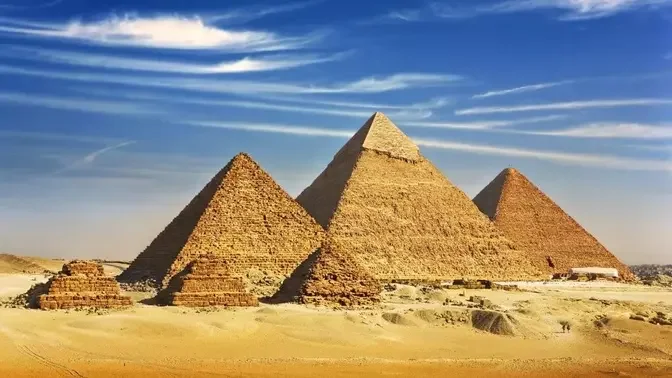
The pyramids were not warnings about death,
they were reminders about life.
Live correctly, live quietly, live in order or be forgotten.
Thank you for spending this time inside a life
the world almost misunderstands.
If even a whisper of ancient fear reached you tonight,
please like, subscribe to Echoes of History
and ring the bell.
Some lifestyles were not meant to inspire us,
they were meant to control us.