
Darius Milhaud - String Quartet No.12, Op. 252 (1945)
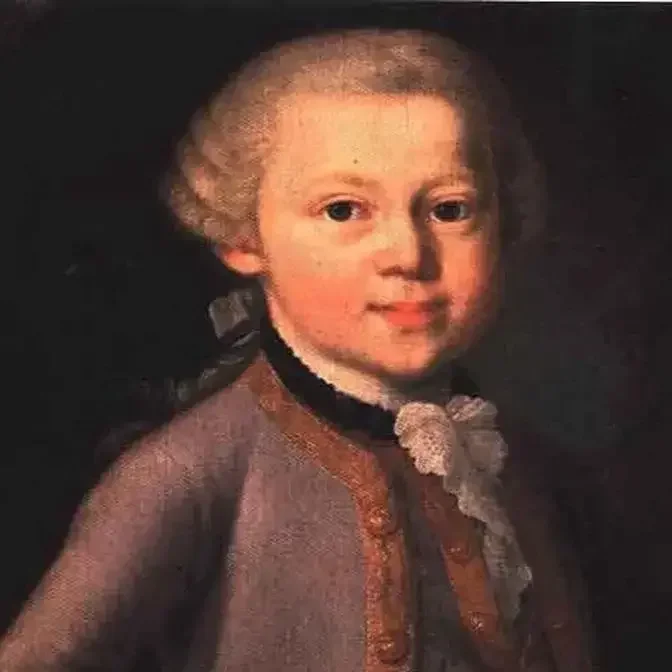
Darius Milhaud (4 September 1892 – 22 June 1974) was a French composer, conductor, and teacher. He was a member of Les Six—also known as The Group of Six—and one of the most prolific composers of the 20th century. His compositions are influenced by jazz and Brazilian music and make extensive use of polytonality. Milhaud is considered one of the key modernist composers.
Please support my channel:
https://ko-fi.com/bartjebartmans
String Quartet No. 12, Op. 252 (Mills College 1945)
Dedication: à la mémoire de Gabriel Fauré
1. Modéré (0:00)
2. Lent (4:25)
3. Avec entrain (10:14)
Quatuor Parisii
Thierry Brodard & Jean-Michel Berrette, violin
Dominique Lobet, viola
Jean-Philippe Marignoni, cello
Description by Joseph Stevenson
France was virtually all liberated and the war in Europe was clearly nearing it's close when Milhaud, living in the San Francisco Bay area, wrote this quartet to commemorate the hundredth anniversary the birth of Gabriel Fauré, one of France's great musicians. The decision to do this was spontaneous on Milhaud's part; there was no commission to do so. (Under wartime conditions there had been no French government so situated as to plan such an observance.) Among Fauré's distinctions in French music history was the maintenance of a Classical aesthetic of balance and elegance during the Romantic and Impressionist eras.
Now in his fifties, Milhaud could look forward to the war's final resolution, had a secure academic position and an established reputation as a composer, and enjoyed one of the finest and most rewarding domestic lives any great composer was blessed with. He was entering years of "relative serenity and euphoria," as his biographer Paul Collaer puts it.
This is a quartet in which the musical heart of the work is the slow movement, as is frequently the case with Milhaud. The main melody is a deeply moving one; it is joined by a more rhythmic second theme. The pair of themes are often presented in dialogue.
The opening and closing movements are not insubstantial but are clearly subordinate to the slow movement in importance. The first movement starts with a duo for violin and viola, then moves into a calm and uncomplicated statement. The final movement is a dazzling, lively movement, contrasting with the preceding slower ones.