
Karl L. King - Barnum and Bailey's Favorite (1913)
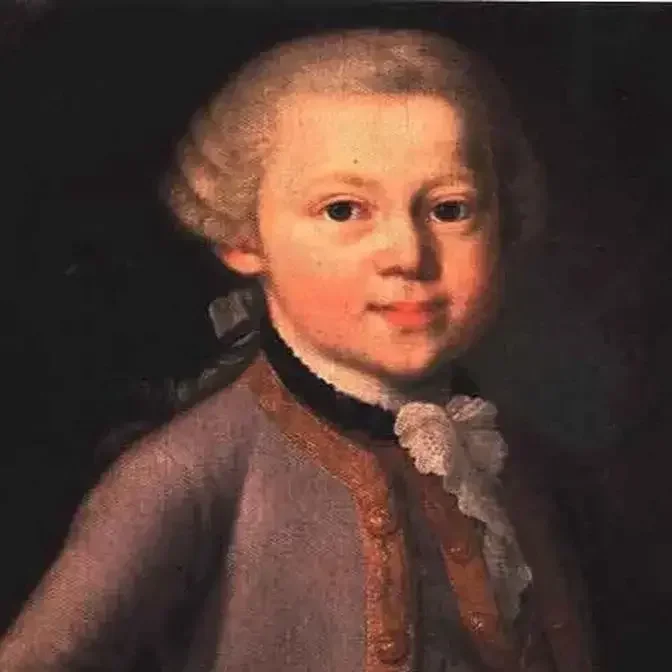
Karl L. King (February 21, 1891 – March 31, 1971) was a United States march music bandmaster and composer. He is best known as the composer of "Barnum and Bailey's Favorite"
Please support my channel:
https://ko-fi.com/bartjebartmans
March Barnum and Bailey's Favorite (1913)
Eastman Wind Ensemble conducted by Frederick Fennell
"Barnum and Bailey's Favorite", often referred to as "The Granddaddy of Circus Marches", was composed by Karl King in 1913 and was published through C. L. Barnhouse Company. King's earliest known compositions date from 1909 with this, his most famous work, being composed in only his fifth year of composing.
King played Baritone horn in many circus bands including Barnum and Bailey's, for more than a decade. As is common in his compositions, Karl King made the baritone part a major voice in the march.
King was asked by the bandmaster of the Barnum and Bailey Circus Ned Brill to write a march for the circus. This has become his most famous composition, being called "the finest work written to celebrate 'The Greatest Show on Earth'" and is one of the most recognizable marches of all time.
King published more than 300 works: galops, waltzes, overtures, serenades, rags, and 188 marches and screamers. It could be said that King did for the circus march what Sousa did for the patriotic march. He seemed to like composing under pressure and often composed in tight spots (such as by oil lamp in cramped circus tents). His name appeared on the sheet music as Karl King, K. L. King, and sometimes Carl Lawrence.
His first known composition still extant was composed for the Thayer Military Band while he was performing it in – titled "March T.M.B." (1909). His first copyrighted work was "Moonlight on the Nile Waltz" (also 1909).
King's marches for circus bands are usually composed at a high difficulty level (grade 4–5 typically) American march music. He also contributed greatly to the school band movement with numerous compositions at various levels of difficulty.
In 1910 he wrote the march "The Melody Shop", created in E♭ with its trio section changing keys to the subdominant A♭ as is typical for marches and polkas. It is named after powell music company commonly known as "melody shop" from his hometown of Canton, Ohio. Excerpts of the march are commonly used in auditions for euphoniums and baritone horns auditioning for a spot in a military band, a university band, brass bands, and city and state ensembles. King released this march in 1910. This was King's first year as a circus musician.