
Louis Ganne - Choral Highlights from "Les saltimbanques" (1899)
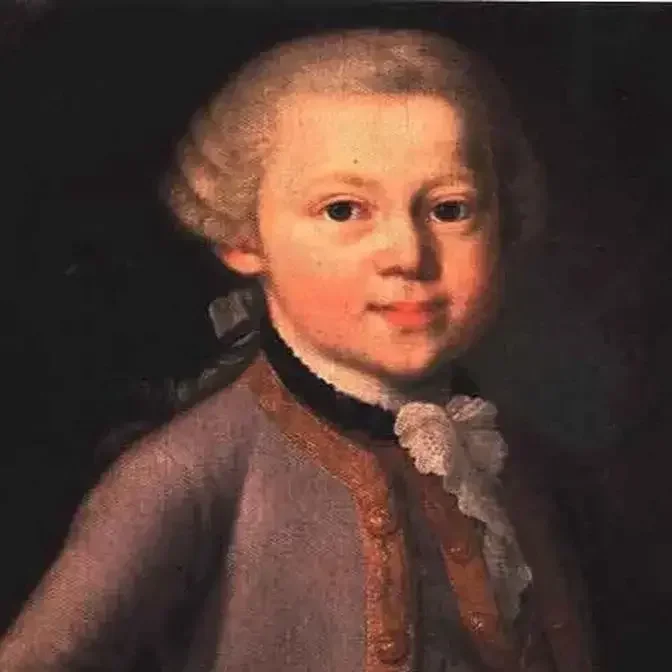
Louis-Gaston Ganne (5 April 1862 in Buxières-les-Mines (Allier) – 13/14 July 1923 in Paris) was a conductor and composer of French operas, operettas, ballets, and marches.
Please support my channel:
https://ko-fi.com/bartjebartmans
Choral Highlights from "Les saltimbanques"; Opéra comique en trois actes et quatre tableaux
Librettist: Maurice Ordonneau (1854-1916)
1. Ouverture (0:00)
Act I
Premier Tableau. Les Roulottes.
2. #1. Choeur (5:49)
Second Tableau. La Parade.
3. #7. Choeur (8:03)
Act II Les Cigoletti
4. #10. Choeur (10:05)
5. #11. Petits Choeurs (12:02)
6. #15. Choeur (14:04)
Chanson Militaire (15:00)
7. #18. Cortège and Ballet (17:27)
Les Gypsys (19:02)
Les Zingaras (20:15)
Tchingènes (21:17)
8. #19. Finale (24:26)
Mady Mesplé – soprano, narrator (Suzanne)
Dominique Tirmont – baritone, narrator (Grand‑Pingouin)
Éliane Lublin – soprano, narrator (Marion)
Claude Calès – baritone, narrator (André)
Jean‑Christophe Benoit – baritone, narrator (Malicorne)
Raymond Amade – tenor, narrator (Paillasse)
Les Chœurs René Duclos & Orchestre Lamoureux conducted by Jean-Pierre Marty
rec. 1968
Les saltimbanques (The Acrobats) is an opéra-comique in three acts, libretto by Maurice Ordonneau, music by Louis Ganne, first performed at the Théâtre de la Gaîté, Paris, on 30 December 1899. In the third act a ballet entitled Les Bohemiennes was danced by Julia Duval, Briant, the women of the corps de ballet and a troupe of acrobats, Les Manzoni.
Les saltimbanques was a major success when it premiered on 30 December 1899 at the Théâtre de la Gaîté in Paris. Contemporary accounts describe it as a triumph, with its 100th performance reached very quickly after opening. Critics and audiences compared its story — of an orphaned girl raised by circus performers — to the great success of Ambroise Thomas’s Mignon, another beloved opéra-comique.
The opera’s popularity was boosted by its musical appeal, especially the famous waltz “C’est l’amour” from the first act, which became one of its most recognizable numbers. Its themes of circus life, friendship, and romance resonated with audiences, and it even inspired Pablo Picasso’s 1905 painting Family of Saltimbanques during his “Rose Period”.