
Mozart - Serenade No. 6 "Notturna", K. 239 (1776) {Ton Koopman}
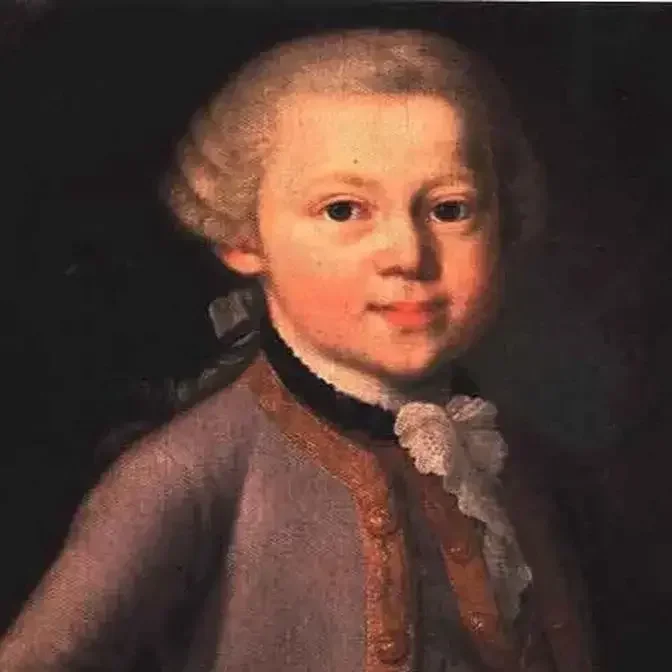
Wolfgang Amadeus Mozart (27 January 1756 – 5 December 1791) was one of the most influential, popular and prolific composers of the classical period. A child prodigy, from an early age he began composing over 600 works, including some of the most famous pieces of symphonic, chamber, operatic, and choral music.
Please support my channel:
https://ko-fi.com/bartjebartmans
Serenade No.6; Serenata notturna, K. 239 (Salzburg, 1776)
I. Marcia. Maestoso (0:00)
II. Minuetto (4:04)
III. Rondo. Allegretto (7:56)
Amsterdam Baroque Orchestra conducted by Ton Koopman
Mozart’s Serenade No. 6 in D major, K. 239 (Serenata notturna) was composed in Salzburg in 1776 for a group of four soloists — two violins, a viola, and a double bass — accompanied by a string orchestra with two violins, a viola, a cello, and timpani.
The work was conceived as a concertante serenade, meaning it was written to be performed with soloists featured prominently alongside the orchestra. This format was common in Salzburg for social and ceremonial occasions, where the soloists would be prominent guests or performers.
Mozart’s father, Leopold Mozart, wrote the title Serenata notturna and the January 1776 date on the original manuscript. The term notturna refers to a work performed in the evening, often as background music at gatherings such as weddings, family reunions, or other festive events.
In practice, K. 239 was likely performed for private or public social occasions in Salzburg, possibly for the Mozart family, friends, or patrons, given its elegant and light style. It was not a church commission, but rather a piece designed for pleasure and entertainment in the evening setting.