
Richard Strauss - 5 Lieder, Op. 48 (1900) {Fischer-Dieskau}
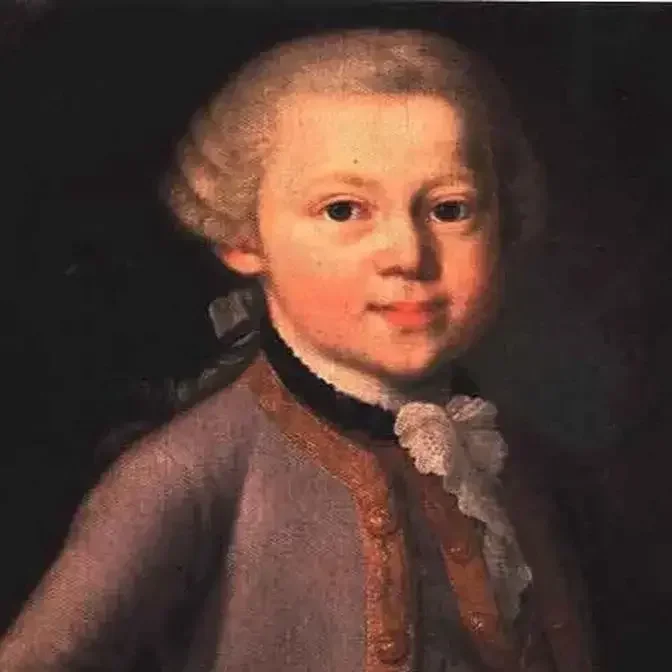
Richard Georg Strauss (11 June 1864 – 8 September 1949) was a leading German composer of the late Romantic and early modern eras. He is known for his operas, which include Der Rosenkavalier, Elektra, Die Frau ohne Schatten and Salome; his Lieder, especially his Four Last Songs; his tone poems, including Don Juan, Death and Transfiguration, Till Eulenspiegel's Merry Pranks, Also sprach Zarathustra, Ein Heldenleben, Symphonia Domestica, and An Alpine Symphony; and other instrumental works such as Metamorphosen and his Oboe Concerto. Strauss was also a prominent conductor in Western Europe and the Americas, enjoying quasi-celebrity status as his compositions became standards of orchestral and operatic repertoire.
Please support my channel:
https://ko-fi.com/bartjebartmans
5 Lieder, Op. 48 (1900)
1. Freundliche Vision (0:00)
2. Ich schwebe (2:46)
3. Kling! (4:45)
4. Winterweihe (6:11)
5. Winterliebe (8:53)
Librettist: Otto Julius Bierbaum (1864–1929) (1)
Karl Henckell (1865–1910) (2, 3, 4, 5)
Dietrich Fischer-Dieskau, baritone & Gerald Moore, piano
EMI 1969
Richard Strauss was a passionate song composer throughout his life. Not only his passion for beautiful women was reflected in this, but also his enthusiasm for beautiful voices and poetry. When the poet Karl Henckell described to him in a letter in 1896 the touching effect that a Strauss song had had on him, Strauss replied with a few significant sentences: "I am in proportion to such sincere participation in your work and that of your fellow artists that such a proof of reciprocal love as the one you have given me is a real need. If my modest compositions could help to bring the names of the poets set to music to a fair appreciation on the part of the public, who usually do not read lyrical poems, no one would be happier than I." The underlining comes from the composer himself and sheds a significant light on his assessment of the audience. Around 1900 it was still quite common to read poetry, and not only the classics and romantics. Strauss owed the success of his songs not in the least to his feeling for the zeitgeist in poetry, to which he erected magnificent monuments.
Karl Henckell was the main poet of Strauss's Opus 48, composed in September 1900 in the comfortable home of the Strauss family in Charlottenburg: "It's so beautiful here now: when I'm not conducting, we sit every evening until 11 o'clock in one of the pretty Grunewald restaurants or recently outdoors at Wannsee; during the day on our loggia, which is full of flowering geraniums, and have more air enjoyment here than in Munich, where the climate is so harsh, especially in the evening." He was a convinced new Berliner with a special love for "our beautiful Charlottenburg: the best air, hours-long, daily new strolls through elegant, clean streets and the charms of the big city so close, if you want to make use of it, which happens rarely enough with us, I just take my tram to the theater and back immediately." Something of the weightless cheerfulness of these first Charlottenburg summers can be found in the Henckell songs of Opus 48, especially in "Ich schwebe wie auf Engelsschwingen".