
Luigi Legnani - Hungarian & Original Melodies Potpourri, Op. 203 (c. 1840)
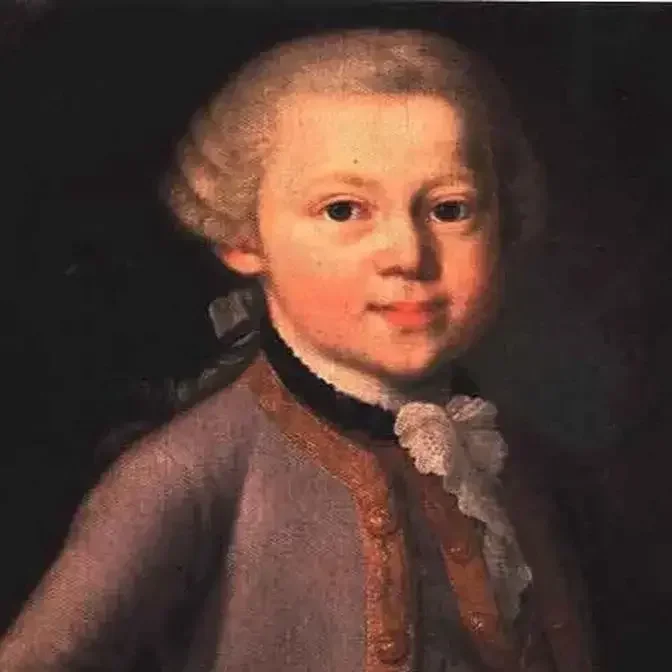
Luigi Rinaldo Legnani (7 November 1790 – 5 August 1877) was an Italian virtuoso guitarist, singer, composer and luthier.
Please support my channel on
https://Ko-fi.com/bartjebartmans
Mélodies Nationales Hongroises et Thèmes originaux en forme de Pot-pourri pour la Guitare seule à 6 ou 8 corde, Op. 203 (c. 1840)
(Hungarian National Melodies and Original Themes in the form of a Potpourri for Solo Guitar, 6 or 8 strings)
1. Introduction. Allegro (0:00)
2. Ragozzi. Allegro moderato
3. Adagio (1:54)
4. Moderato (3:31)
5. Allegretto alla Rondino (4:56)
6. Allegro (6:50)
7. Ragozzi. Allegro moderato (8:55)
8. Allegro moltissimo (9:26)
Giulio Tampalini, guitar
A musical potpourri is a composition made up of a succession of short, contrasting sections drawn from popular songs, opera arias, folk tunes, or dances, arranged into a continuous piece without a rigid formal structure like sonata form. It typically follows an ABCDEF pattern, where each section presents a recognizable melody, often linked by brief transitions or modulations, creating a mosaic-like flow that prioritizes variety over cohesion. Unlike sonata or symphonic forms, potpourris avoid thematic development or complex motivic integration, focusing instead on immediate audience appeal.
The form gained popularity in the late 18th and early 19th centuries, particularly in France, Vienna, and Paris, as composers created arrangements for piano, orchestra, or chamber ensembles to capitalize on the fame of operatic hits. Potpourris were often used in salon performances, public concerts, and as overtures to operas or operettas, providing audiences with familiar tunes in an entertaining format.
Born in Ravenna, Legnani was trained as a string player while very young but dedicated himself to guitar and voice. His debut as an operatic tenor was in Ravenna in 1807; his singing career spanned 17 years. His career as a guitarist began with a concert in Milan in 1819 and continued with the 1822 concerts in Vienna and return visits in 1833 and 1839. He tried to continue the guitar tradition established there by Mauro Giuliani.
Legnani is perhaps best known for his 36 Caprices op. 20 for the guitar, which cover all the major and minor keys, and which were probably inspired by Paganini's 24 Caprices for the violin. He and Paganini were friends from the 1830s; while it was once thought that he and Paganini performed together in public (Powroźniak mentions a concert in Northern Italy in 1837), there is no evidence to support this claim. After the 1850s Legnani retired from active performance and became an instrument maker, concentrating on guitars and violins. The "Legnani model" guitar was popular in Central Europe through the middle of the nineteenth century.
Legnani composed some 250 works, which were published in his lifetime throughout many of the major publishing houses in Europe. He died in Ravenna.
As a regular visitor to Vienna, Legnani cooperated with Johann Georg Stauffer and his son Anton to make guitars according to Legnani's design, to be followed by a number of other luthiers.