
Carl M. Ziehrer - "Guck in die Welt", Polka (1866)
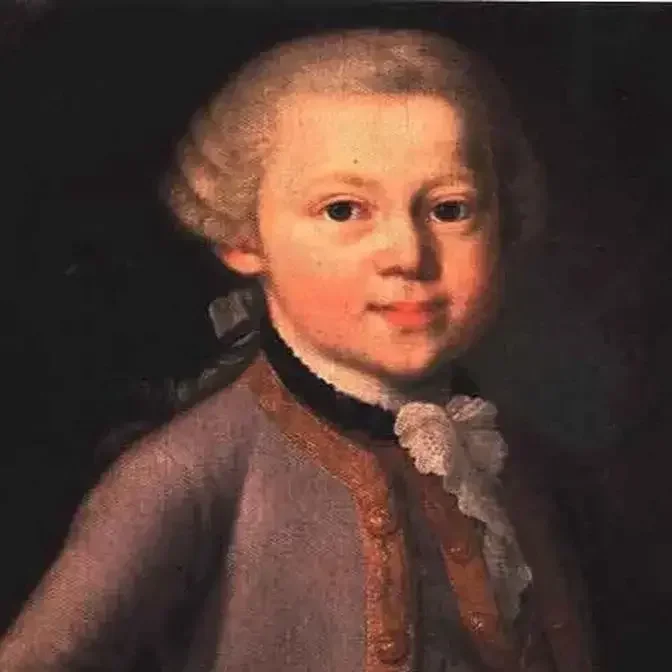
Carl Michael Ziehrer (more rarely spelled Karl Michael Ziehrer) (2 May 1843 – 14 November 1922) was an Austrian composer. In his lifetime, he was one of the fiercest rivals of the Strauss family; most notably Johann Strauss II and Eduard Strauss.
Please support my channel:
https://ko-fi.com/bartjebartmans
"Guck in die Welt" Polka française, Op. 447 (1866)
Dedication: Dem Comité des Bürgerballes im IIIten Bezirk gewidmet
(Dedicated to the Committee of the Citizens' Ball in the 3rd District)
C.M. Ziehrer Orchester conducted by Hans Schadenbauer
In the context of Karl Michael Ziehrer’s orchestral polka française Op. 447, the title Guck in die Welt is not a literal description of the music’s subject matter. Instead, it is a playful, light-hearted label for a dance piece in the Viennese tradition. Ziehrer’s works often have whimsical or humorous titles that reflect the character of the music rather than a narrative or allegorical meaning. The “Guck” element may evoke a sense of curiosity or novelty, fitting for a polka française — a lively, danceable style popular in 19th-century Vienna.
So, while “Guck in die Welt” can be understood as “Look at the World” in a literal sense, in Ziehrer’s case it’s best interpreted as a festive, playful title suggesting a lively, curious, and perhaps slightly cheeky character in the music, rather than a direct reference to the idiom’s common usage.
The average Viennese citizen in the 1860s kept up with new dance forms through a combination of public performance venues, live music, social gatherings, and informal imitation, all of which made the city’s dance culture both accessible and dynamic. By the mid-19th century, the city’s ballrooms — once aristocratic — had opened to all social classes, creating a shared cultural space where fashionable dances like the waltz were performed and learned. Large venues such as the Sophiensäle and the Apollosaal hosted regular dances, allowing citizens to see and practice the latest steps alongside others. And it was in the Sophiensäle this Polka was first performed on July 26, 1866.