
Nikolaus von Krufft (1779-1818) - Sonate Pour le Pianoforte avec Accompagnement de Cor
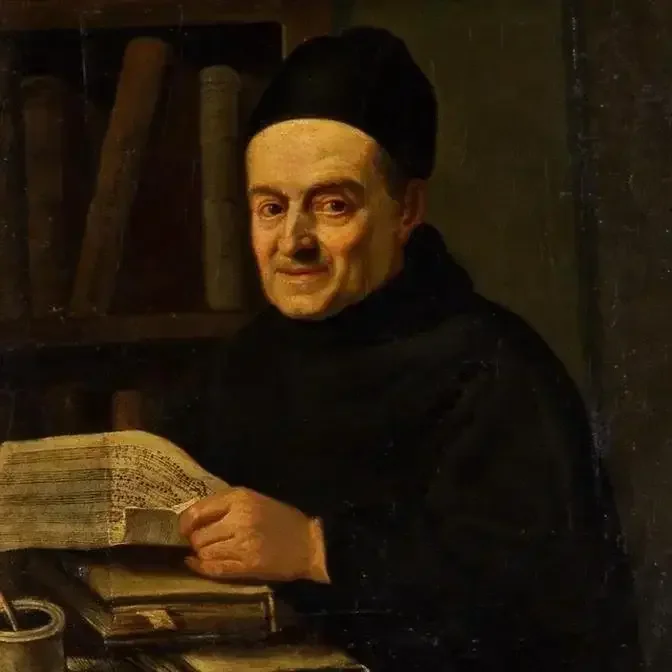
Alles Gute zum Geburtstag Nikolaus von Krufft! 🎹📯
Composer: Nikolaus von Krufft (1779-1818)
Work: Sonate (E-Dur) | Pour le Pianoforte | avec Accompagnement | de Cor ou Violoncello obligé
Performers: Kristin Pederson Thelander (horn); Carol lei Post (pianoforte)
Sonate Pour le Pianoforte avec Accompagnement de Cor
1. Allegro moderato 0:00
2. Andante espressivo 10:38
3. Rondo alla Polacca 15:47
Painting: Johann Heinrich Hintze (1800-1861) - Blick von der Terrasse des Palais Schwarzenberg auf Wien
HD image: https://flic.kr/p/2rTsFbU
Further info: https://www.discogs.com/sell/release/12987353
Listen free: No available
---
(Baron) Nikolaus (Nicolaus, Niclas) Freiherr von Krufft [Kruft, Crufft, Krafft, Krufet]
(Vienna, 1 February 1779 - Vienna, 16 April 1818)
Austrian jurist and composer. Born into the administrative aristocracy as the son of Andreas Adolph Freiherr von Krufft (1721-1793), a Minister of State, he completed advanced studies in philosophy and jurisprudence at the University of Vienna before joining the Imperial State Chancellery (Hof- und Staatskanzlei) in 1801. Rising to the rank of State Secretary, he became a trusted associate of Prince Metternich, accompanying him on pivotal diplomatic missions across Europe; services for which he was knighted by both Russian and Sicilian orders. Despite his decorated political tenure, his intellectual legacy remains rooted in his musical output; initially trained by his mother, Maria Anna von Haan, and later by the theorist and composer Johann Georg Albrechtsberger, he developed a compositional style that bridged the formal rigor of Classicism with burgeoning Romantic sensibilities. His oeuvre, notably his technically demanding works for bassoon and horn and his proto-Schubertian Lieder, reflects the stylistic transition of the Beethovenian generation. Ultimately, the taxing coexistence of his rigorous governmental duties and his nocturnal creative pursuits led to a severe nervous collapse and auditory hypersensitivity, culminating in his untimely death in Vienna at the age of thirty-nine.