
Peter Josef von Lindpaintner (1791-1856) - 2te Sinfonie Concertante (c.1824)
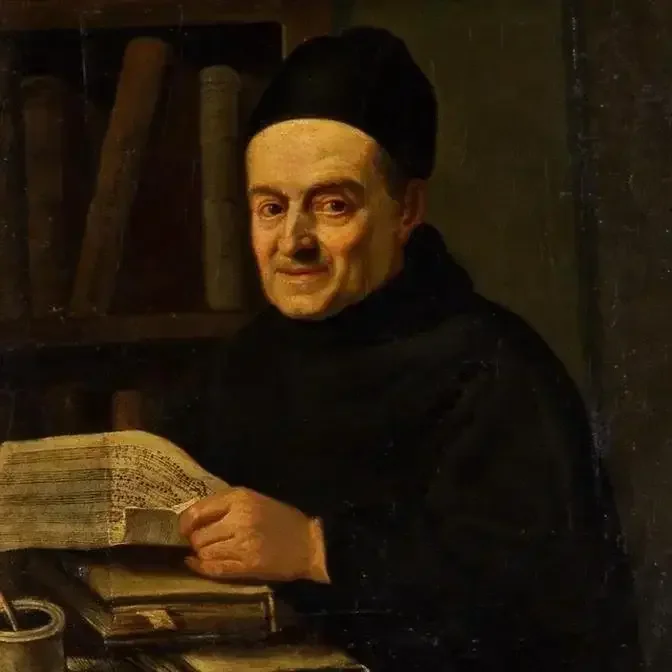
Alles Gute zum Geburtstag Peter Josef von Lindpaintner! 📯🎭
Composer: Peter Josef von Lindpaintner (1791-1856)
Work: 2te Sinfonie Concertante ... Op.44 (c.1824)
Performers: Aulοs Bläserquintett; Radio Sinfonieorchester Stuttgart; Bernhard Güllеr (conductor)
2te Sinfonie Concertante (c.1824)
1. Allegro marcato 0:00
2. Andantino non troppo lento 8:56
3. Allegretto poco vivo 14:34
Painting: Adolphe-Eugène-Gabriel Roehn (1780-1867) - Country fair (1821)
HD image: https://flic.kr/p/2qyFfA3
Further info: https://www.discogs.com/es/sell/release/4586343
Listen free: No available
---
Peter (Pierre) Josef (Joseph) von Lindpaintner [Lindpainter, Lindpaitner]
(Koblenz, 8 December 1791 - Nonnenhorn, 21 August 1856)
German conductor and composer. Son of a tenor active at the court of the Bishop-Elector of Trier, as a small child accompanied the court into exile in Augsburg after the French secularization of Trier. In 1806 he settled in Munich to study composition with Peter Winter. There he wrote the first opera, 'Demophoon' (1811), successfully performed in Munich. The following year he became music director at the Isartortheater, and over the next six years produced another eight operas, of which the most successful were 'Der blinde Gärtner' (c.1813), 'Die Sternkönigin' (1815), 'Pervonte' (1816) and 'Die Rosenmädchen' (1818). After his opera success he resumed the study of composition with the contrapuntist Joseph Graetz. In 1819 he took over the post of Kapellmeister in Stuttgart, in a position he held for the rest of his life. He was praised as one of the finest German conductors and continued to compose assiduously for the stage. He also enjoyed a reputation as a composer of lieder, sacred music and instrumental works. His songs, particularly 'Die Fahenwacht' and 'Roland', were widely popular; among his sacred music, which included cantatas, masses and psalms, the oratorio 'Der Jüngling von Nain' held a high place. His concertos and concertinos were notably successful, especially the two concertante symphonies for five wind instruments and orchestra. His achievements were acknowledged by the bestowal of the aristocratic ‘von’ in 1844, but in his later years his reputation as a composer declined. In 1854 Hans von Bülow castigated ‘the supreme impropriety of the pretensions with which Kapellmeister Lindpaintner now represents himself as the old master of the departing epoch, forgetting that Spohr alone can bear this honour’.