
Thomas Byström (1772-1839) - Sonate pour le Pianoforte et Violon obligé (1801)
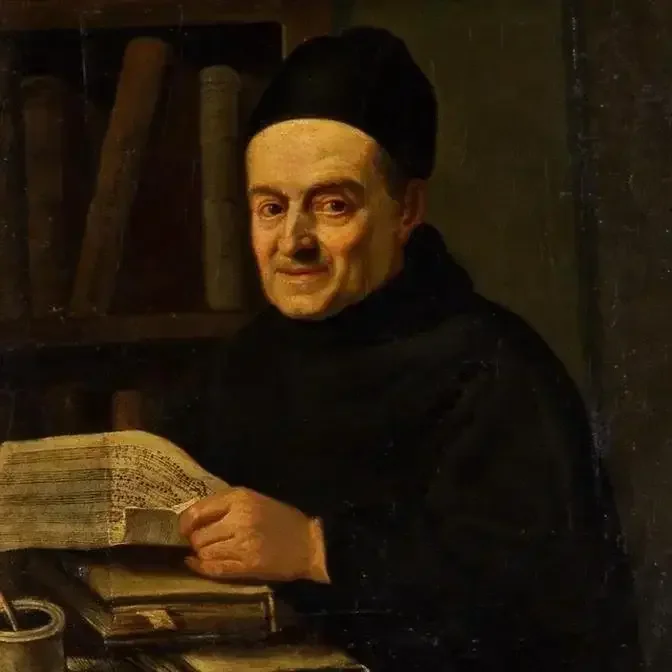
Hyvää syntymäpäivää Thomas Byström! 🎻🎹
Composer: Thomas Byström (1772-1839)
Work: Sonate (B-Dur) des 'Trois sonates pour le clavecin ou pianoforte avec accompagnement d'un violon obligé composées par ... Oeuvre. 1 (1801)
Performers: Izumi Tаtеno (piano) https://tinyurl.com/4wv8ph5v
Yoshiko Arаi (violin) https://tinyurl.com/3wafte79
Sonate pour le Pianoforte et Violon obligé (1801)
1. Allegro 0:00
2. Adagio 7:10
3. Allegro vivace 10:12
Drawing: James Gillray (1756-1815) - Ars musica
HD image: https://flic.kr/p/2sxw62N
Further info: https://www.discogs.com/sell/release/14998393
Sheet music: https://www.doria.fi/handle/10024/189091
Listen free: https://open.spotify.com/album/4Oa8KmgdQsyMYWypbUm6as
---
Thomas Byström
(Helsinki, 28 August 1772 - Stockholm, 2 October 1839)
Finnish-Swedish music teacher, composer and military officer. The son of a successful statesman in the province of Finland (then part of Sweden), he was encouraged to study violin and piano at an early age by his father. In 1787 he enrolled at a military academy in St. Petersburg, later joining the Swedish army in 1792 as an adjutant and subsequently aide-de-camp to Gustav IV Adolph. He was mostly stationed in Stockholm beginning with his Swedish army career and was thus able to participate in musical social circles. He was elected in 1794 to the Royal Swedish Academy of Music, and in 1801 he published a set of violin sonatas, as well as a series of strophic Lieder. As a government military official, however, his compositional career was limited. He taught music for a period (1813-1825) at the Royal Academy. He was elected an honorary member of the Harmoniska Sällskapet in 1832. As a composer, his works, dated from the period 1794 to 1805, include the three violin sonatas, nine songs, and a set of variations on a Russian theme, as well as several smaller keyboard works. His style has been likened to early Ludwig van Beethoven in its use of motives and sequencing, as well as bold harmonic modulations.