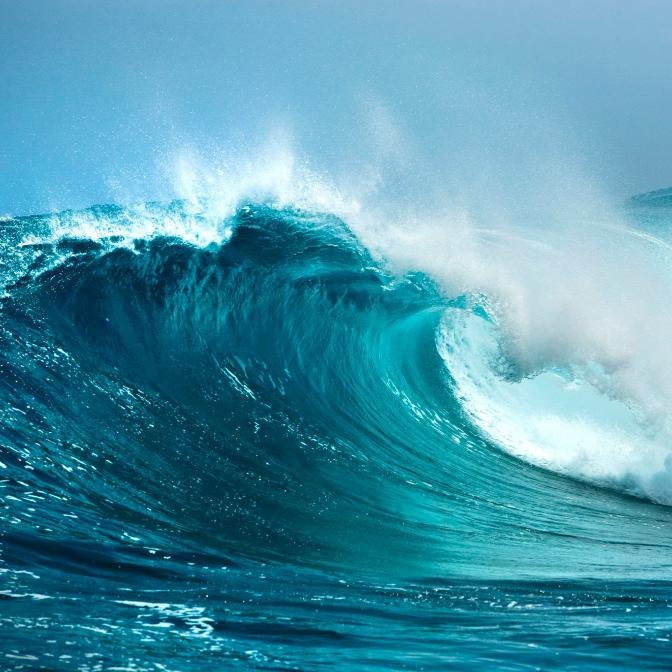
Discover the remote beauty of Henderson Island, a unique coral atoll in the South Pacific and a British Overseas Territory. Once home to Polynesian settlers, this untouched island is an ecological time capsule, boasting ten endemic plant species and four endemic land birds. Despite its isolation, the island faces severe threats from global plastic pollution, which jeopardizes its fragile ecosystem. Learn about the archaeological mysteries, the historical ties to the Bounty mutineers, and the ongoing conservation efforts to protect this World Heritage Site. Join us in exploring how global cooperation can save Henderson Island and highlight the impact of human activity on our planet.
Imagine an island, remote, untouched, and seemingly forgotten by time. An island teeming
with life unseen anywhere else on earth, where exotic wildlife thrives in harmony with nature.
This is Henderson Island, a coral atoll in the South Pacific surrounded by turquoise waters and
vibrant coral reefs. A place so isolated that it stands as a stark reminder of both the beauty and
fragility of our planet. Its lush vegetation and clear waters paint a picture of paradise.
Once home to Polynesian settlers, the island has remained uninhabited for centuries,
its ancient ruins whispering tales of a bygone era. Its pristine environment is a testament to
the power of nature to heal and regenerate, showcasing the resilience of ecosystems left
undisturbed. But paradise, as we often discover, is a fragile thing. The delicate balance of this
serene landscape can be easily disrupted. Henderson Island, despite its isolation,
has not escaped the impact of human activity. The reach of humanity extends even to the most
remote corners of the earth. Tides of plastic waste, carried by ocean currents from distant
shores, now litter its once pristine beaches. The sight of plastic debris is a stark contrast to the
island's natural beauty. This human footprint threatens the very ecosystem that makes Henderson
Island so unique. The delicate balance of life here is under threat, and the island's future hangs in
the balance. Yet, there is hope. Conservation efforts are underway to protect and restore
this fragile paradise. Volunteers and scientists are working tirelessly to clean up the plastic
waste and safeguard the island's unique ecosystem. With continued effort and global awareness,
Henderson Island can once again become a symbol of nature's resilience
and the possibility of a brighter, cleaner future for our planet.
Located almost 2,000 kilometers from the nearest major landmass, Henderson Island is a mere speck
in the vastness of the South Pacific. Part of the Pitcairn Islands Group, this tiny, uninhabited
island is a British Overseas Territory. Its closest neighbor is Pitcairn Island itself,
home to a small community descended from the infamous Bounty Mutineers. Despite its isolation,
Henderson Island has a rich history. Archaeological evidence suggests that Polynesian seafarers
settled on the island as early as the 12th century. However, these early inhabitants
mysteriously disappeared, leaving behind only remnants of their presence.
What makes Henderson Island truly special is its pristine ecosystem. Untouched by human
development, the island boasts a remarkable diversity of plant and animal life, much of it
found nowhere else on Earth. Ten endemic plant species and four endemic land birds call Henderson
Island home. The island's surrounding waters teem with marine life, including numerous species of
fish, coral, and other marine invertebrates. This rich biodiversity highlights the importance of
Henderson Island as a living laboratory for scientists studying evolution and ecology.
In recognition of its outstanding universal value, UNESCO inscribed Henderson Island as a
This prestigious designation acknowledges the island's exceptional natural beauty
and its importance for the conservation of global biodiversity.
However, Henderson Island's World Heritage status is under threat. The very isolation that has
protected the island for centuries has also made it vulnerable to the impacts of human activity
elsewhere. Plastic pollution, in particular, poses a significant challenge to the island's
Section 5. The Scourge of Plastic. Despite its remoteness, Henderson Island has become a focal
point for the global plastic pollution crisis. Ocean currents carry plastic waste from distant
continents, depositing it on the island's once-pristine beaches. Studies have shown that
Henderson Island has one of the highest densities of plastic pollution anywhere in the world.
This plastic debris poses a serious threat to the island's wildlife.
Seabirds often mistake plastic fragments for food, leading to starvation and entanglement.
Marine animals, including sea turtles and seals, can also become entangled in plastic debris,
leading to injury or death.
Section 6. Safeguarding of Fragile Eden. Protecting Henderson Island's unique ecosystem
requires a concerted effort from the global community. While the island's remoteness makes
it difficult to access, conservation efforts are underway to address the plastic pollution crisis.
Regular beach cleanups are organized to remove existing debris and prevent further accumulation.
However, cleaning up existing pollution is only part of the solution. Addressing the root causes
of plastic pollution requires a global commitment to reducing plastic consumption, improving waste
management practices, and developing innovative solutions for plastic recycling and disposal.
Section 7. Every Action Creates a Ripple. The plight of Henderson Island serves as a stark
reminder that we are all connected. This remote island, located in the South Pacific, is thousands
of miles away from any major landmass. Yet it is overwhelmed by plastic waste. Even the most
remote corners of our planet are not immune to the impacts of human activity. The ocean currents
carry our discarded plastics across vast distances, depositing them on shores far from their origin.
The plastic waste that washes up on Henderson Island's shores is a testament to our collective
failure to address the global plastic pollution crisis. Each piece of debris tells a story of
consumption and neglect, highlighting the urgent need for change. However, just as our actions have
far-reaching consequences, so too can our positive choices create ripples of change. Community efforts
to clean up beaches and reduce waste are powerful examples of how collective action can make a
difference. By reducing our own plastic consumption, supporting sustainable practices, and choosing
eco-friendly products, we can lessen our environmental footprint. And advocating for
policy changes, we can push for systemic solutions that address the root causes of pollution.
Policy changes can enforce stricter regulations on plastic production and waste management.
We can all contribute to the protection of our planet's most precious ecosystems.
Healthy coral reefs and diverse marine life depend on our commitment to preserving their
habitats. Every small action, when multiplied by millions, can lead to significant positive
outcomes for our environment. Section 8. The importance of global cooperation.
Addressing the complex challenges facing Henderson Island requires a collaborative approach.
Governments, non-profit organizations, and individuals all have a role to play in protecting
this unique world heritage site. International cooperation is essential for developing and
implementing effective conservation strategies. Sharing knowledge, resources, and best practices
can amplify the impact of conservation efforts. By working together, we can create a more
sustainable future for Henderson Island and other vulnerable ecosystems around the world.
Section 9. The future of Henderson Island. The future of Henderson Island hangs in the balance.
The island's pristine ecosystem is under increasing threat from human activity,
particularly plastic pollution. However, there is still hope. By raising awareness,
supporting conservation efforts, and making conscious choices in our own lives,
we can help protect this fragile Eden for future generations.
The challenges are significant, but the stakes are too high to ignore.
The fate of Henderson Island is a reminder that we are all stewards of this planet
and that our actions have the power to shape the future of life on Earth.
Section 10. Our shared responsibility. Henderson Island, a beacon of biodiversity in a sea of blue,
is a place of extraordinary natural beauty and ecological significance.
It stands as a testament to the interconnectedness of our planet,
where every living organism plays a crucial role in maintaining the delicate balance of life.
However, this balance is fragile, and the far-reaching consequences of our actions can
disrupt it in ways we might not immediately see. The fate of Henderson Island, like the
fate of all life on Earth, rests in our hands. Our choices today will shape the world of tomorrow.
Let us choose wisely, act decisively, and work together with a sense of urgency and purpose.
By doing so, we can ensure that this pristine paradise continues to thrive for generations to
come, preserving its beauty and biodiversity. The responsibility to protect our planet's
natural wonders is not someone else's burden to bear. It is a shared duty that falls upon us all.
Each of us has a role to play, whether through small daily actions or larger conservation efforts.
It is through our collective efforts that we can make a significant impact,
ensuring a healthier planet for future generations. Let the story of Henderson Island serve as a call
to action, inspiring us to take meaningful steps towards sustainability. It is a reminder that even
in the face of daunting challenges, we must remain steadfast and resilient. Hope and the power to
make a difference lie within each of us. Together, we can create a legacy of environmental stewardship
and a brighter future for all.