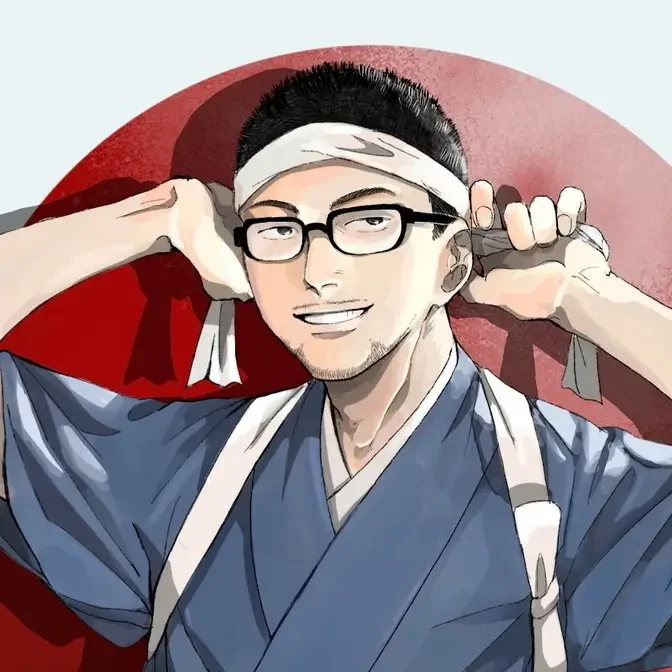
In this video, I am showing Yasukuni Shrine and Yushukan, the war museum. There are some claims that Yasukuni shrine as well as this Museum glorify or justify Japans past wars and colonizations. However, visiting Yasukuni Shrine, for many of us Japanese, is purely an act of mourning and honoring those who died protecting the country. I hope you make your opinion yourself from watching this video.
In my channel, I usually show authentic but alternative Japanese home cooking, which can be made with the ingredients that are available outside of Japan.
00:00 Intro 00:09 How to reach Yasukuni Shrine 00:58 Background of Yasukuni Shrine 01:27 Statue of Nomura Masujiro 02:25 Main entrance 03:12 Visiting main hall of shrine 04:02 Different Monuments 05:21 Yushukan, the war museum 07:30 Ending
Welcome to Tai's Kitchen. Today I'm
going to show you the Yasukuni Shrine
and Japanese War Museum.
Yasukuni Shrine is located in the heart
of Tokyo
from the Tokyo main station. You can
reach on foot in about 40 minutes or so.
[Music]
Or you can take the Tokyo Metro Tozai
line to the Kudancha station. It'll take
you right up to the Yasukuni Shrine.
This place is rather lesserk known site
in Tokyo, but a very important place in
my opinion if you want to understand the
modern Japanese history. Yasukuni Shrine
was originally built in 1869 and is
dedicated to 2.5 million Japanese
soldiers as well as some government
officials who died serving the country.
from bullshining war to all the wars
against Britain, China, Russia and also
the US.
I am aware that this shrine is seen in
recent years as controversial claiming
that this shrine glorifies or justifies
the past wars and colonization. However,
visiting Yasuni shrine for many of us
Japanese is purely an act of mourning
and honoring those who died protecting
the country since the beginning of
modern government. It's definitely not a
place to glorify or affirm war or
colonization as some media tries to
portray, but I'll let you be the judge
of that.
When you keep walking up the path, you
come across the statue of Omura
Masujiro. He was the one that came out
with the idea of building Yasukuni
shrine and also helped build a modern
army of Japanese government at the time
during the Maji era.
[Music]
Even though this is the middle of
bustling Tokyo somehow has a very quiet
atmosphere allowing us visitors
reflecting on the history.
There's also a map of the shrine
and on the side there's a QR code for
the homepage of Yasuni shrine
and this is the second arch.
Next to it is so-called chos where you
should wash your hands and mouth to
cleanse before entering the main hall of
the shrine.
This is the main gate to enter the inner
garden of the shrine.
And on the gate there is a large golden
chroissantum which is a symbol of the
imperial house of Japan. The same
imperial crest also found on Japanese
passport.
And when you keep walking, right before
the main hall, there's a bulletin board
where they write a letter of a kamicazi
pilot to their families before departing
which is changed every month. They also
have the same letter printed on a paper
and also translate in English. You just
cannot read these letters without being
emotional.
This is the main hall where the visitors
can pray for the sorrow of the people
who die protecting the country.
[Music]
Coming here always makes me realize how
lucky we are to be able to live in this
time without war.
And on the side there's a small vendor
where they sell varieties of amulets.
If you keep walking towards the left
side, then you will get to the direction
of Yushukan, the war museum.
But before entering the museum, there
are some monuments for the animals that
serve in the military. First, the
military dogs that serve and died in the
war.
Then for the military horses
and then also for messenger pigeons
since they did not have internet back
then of course.
And in the corner there's a statue of a
war widow.
[Music]
Next to it is a statue of Dr. Rabihanol
Pai, who was the only jury that objected
to the Tokyo tribunal, arguing that the
verdicts were invalid because they were
based on so-called expuls laws, meaning
that the defendants were judged
according to the laws that did not exist
at the time of actions
and also a monument dedicated to all the
sunken ships and aircraft carrier as
well as their crew members.
Here
is Yushukan Thor Museum.
In the entrance, they have the famous
Mitsubishi A6M aka zero fighter
aircraft.
Unfortunately, inside the museum is
prohibited to videotape or photograph
except for one section. So, I can only
show some pictures from the homepage as
well as the recording from this
permitted section.
The museum is built in a way that you
can follow the history of the modern
Japanese government as well as how and
why Japan got involved in the
colonization and the different wars.
This is from the section where it was
permitted to record.
These models and exhibits are primary
from the time of World War II.
[Music]
They also exhibit many letters of
kamikazi pilots that were written to
their families. Reading them tells us
that none of them really wanted to
sacrifice their lives, but instead their
only intention was to protect their
loved ones.
There are some claims that Yasukuni
shrine glorifies or justifies Japan's
past wars and colonizations. But the
message I always get from visiting here
is that we should honor and thank them
for their sacrifices. But at the same
time, we need to learn from the past so
these things never happen again. What
messages did you get?
I hope you learned something and that
you get to visit this place when you
have a chance to go to Japan.
Then I'll see you in the next video. Bye
for now.