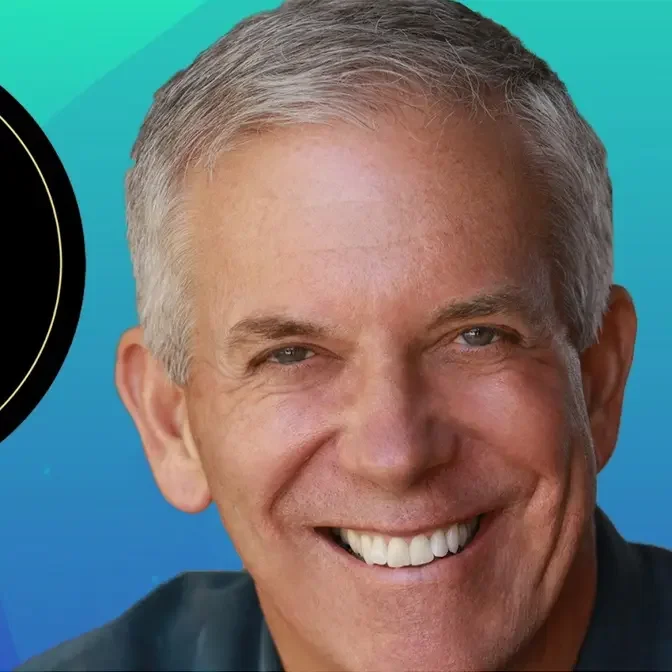
California Farms you can visit! Family fun and activities. We take in the best farms to take the kids and family. Join us as we take a fun road trip to: 1. Underwood Family Farms -Moorpark -we get to talk to Craig and Suzannah Underwood about the legacy of the Underwood's farming since that late 1800s in this area. This is a wonder place to bring kids to pick crops, visit animals , see shows about farms and more. http://www.underwoodfarms.com 2. The Luffa Farm- Nipomo- We go to Nipomo and see where some of the best Luffas come from. Get a chance to see how they are processed and gardens to visit. The Luffa Farm also has an incredible store of Luffas and natural beauty products. http://www.theluffafarm.com 3. Danny's Farm-Tujunga-Danny's Farm was started by the Gott family inspired by the needs of their autistic son Danny. The petting farm is now a on the Special Spirit grounds as Danny is starting a new project as creating hosting videos for his new YouTube Channel. hhtp://www.dannysfarm.org 4. Palm Springs Windmill Tours-Tom Spiglanin takes us on a tour of a different type farm, the windmills out in Palm Springs. We get a fascinating history of the original windmill boom of the 80's up through the current advance technology involved in today's multi-million dollar windmills. http://www.windmilltours.com 5. Bonus! The Parent Navel Orange Tree! Liza Pattison shares the story of Eliza Tibbets and the navel orange tree imported from Brazil in the 1870s. You can still see this incredible tree in Riverside at the intersection of Magnolia and Arlington Streets. http://www.riversidehistoricalsociety.org
“The Best of California with Pat Pattison” is a fast-paced half hour TV show that explores the natural wonder, people, history and mysteries of the California Lifestyle. California native and TV Host Pat Pattison explores the state’s nooks and crannies from the historic backlots of Hollywood, famous California Cuisine all the way to the mansions of the Gold Rush and Silicon Valley. The world’s fifth largest economy and almost a country unto itself “The Best of California with Pat Pattison” offers us a compelling window into the future, past and present of one of the world’s most dynamic places.
Watch us in: San Luis Obispo, Santa Barbara, Santa Maria on the Central Coast CW 5 Sundays 12:30pm Palm Spring on the CW5 Sundays 12 noon Bakersfield CW12 Saturdays 6:30am Fresno CW 59 Saturdays 7:30am
Watch us in San Francisco, Las Vegas, Salt Lake City, Chicago, Detroit, Philadelphia and Orlando on Fun Roads TV. Check local listings at:
Hi, welcome to the Best of California. I'm your host Pat Patterson
and today it's all about farming. We're going to go
all over the state to visit the best California farms.
We're going to go to Napomo to a loofah farm.
We're going to go to Shadow Hills and visit Danny's farm for an autistic child.
We're going to go out to Palm Springs and visit the windmill farms out there
and we're here in Moore Park at the Underwood Family Farms
and this place is incredible. So let's get in the tractor
and head out. Farm number one is Danny's Farm
in the Shadow Hills-Sunland area just outside of LA.
And I'm so excited to be here with Danny Gott
with Danny's Farm. And Danny, this place is
unbelievable. Now tell me a little bit about what goes on here.
Well Danny's Farm was established back in 2007
and we're a petting zoo for those on the spectrum.
So tell me what's your favorite thing to do here. My favorite thing to do here is
just socialize with the animals. I love interacting with the chickens honestly.
Chickens? Why chickens? Because they're so docile.
They'll do what you tell them or more like they're just fun to
interact with and they're so sweet. Okay that's great. Now tell me a little
bit about your family. Well we're the Gott family.
There's me, there's my dad who used to play for the Los Angeles Dodgers,
and there's my mom who's an advocate for autism like me. So you're excited to
spread the word about how you're integrating into
society yourself and hope other people will too.
Yep. I also want to spread the word about autism and how
smart we are and how capable we are and how we
shouldn't get the short end of the stick.
Important message. I'm here with Kathy and Jim Gott. Now
you guys tell me a little bit about how this all got started. Kathy I'll start
with you. Well when Danny was in high school,
it's time to start thinking about that transition to adulthood
and what is going to come after high school. He went to an incredible
vocational school called Exceptional Minds
Studios, but in terms of employment it was
you know what's he going to do? How can we be creative and
harness his passion for animals and all his social capabilities? And so then
the idea of Danny's Farm, a petting farm,
just to serve neurotypical people, do special outreach to the special needs
community, and more importantly hire adults who are neurodiverse.
That's the word of the day by the way, which I like
because it doesn't use a word like
disabilities implying you know any kind of judgment or less
than. It's just a different way of thinking. It's diversity and
and there are you know the latest statistics just came out from the CDC.
It's one in 44 children today in the United States are
diagnosed on the spectrum. So it's a lot of people who are
neurodiverse. It's just the way of our society, the way we're evolving as
human beings. That's so important and Jim tell me a
little bit about what this enterprise has meant to you.
So much and I've been doing the heavy lifting. I've just been here to support
Kathy and Kathy's been the the brains and the heart behind all of
this and all of the different things that Danny has needed throughout
the different stages of his life, whether it's
getting into the proper school, making sure that the
the proper classroom to be able to really push him
to his ceiling and we know now as you heard from him Danny really believes
that there is no ceiling for him and that there's so much opportunity for him
and it was easy when it came down to the petting farm. The great part was was
that throughout our whole life when we went to the fair all of a sudden Danny
it was too loud, too many noises, too many too much action going on.
He gravitated towards the petting farm. We would go to friends houses and we
would wonder where's Danny and next thing we'd know he'd be
in the dog shed with their dogs or their animals and then
Kathy got him down with the Humane Society down in Pasadena and
he was a a cat socializer and it was just wonderful for him because
not only did he feel a great sense of accomplishment because of what he was
doing and giving back but he would come home
and just was so grateful for the opportunities that
the animals gave him. So Danny what's going on? Yeah that's beautiful.
As you can see Jasper's a little upset that his best friend's not
here but but now she's coming back and she just
got groomed. And who's Jasper? Jasper's the horse right behind me.
He's an American miniature horse. American miniature.
So tell me Danny there's something special about Jasper. Tell me what that
is. Yes there is. In fact he has heterochromia idiom.
What? Heterochromia idiom. Tell me what that means.
Heterochromia idiom or heterochromia is when someone
is when someone or something has two different colored eyes.
Right this way. Tell me tell me what we're going to go look at. Well we're
going to look at the rest of the animals. Okay so is this the main
petting area? Yes it is. Right behind me and now it's
Orange the pony. Okay great. And she she's a pretty young girl.
She's about seven. Okay show me some more. And over here and
over here and over here and over here the one
walking away right now this is glitter the glitter the miniature donkey. She's a
Nubian. Danny I can't thank you enough for what
you are doing here along with your family. I I really appreciate you coming
down here Pat. I think I think just thank you very much
Thank you for having me here. And Danny's starting his
own show and YouTube channel. Check out more information at dannysfarm.org
And now let's go to the luffa farm and find out how the heck you spell
luffa in Nipomo up in the central coast. So I always thought these things came
from the ocean but my dad found out a different story
for us. Let's go check it out with him in Nipomo.
Dad? We're here at the luffa farm and Brooke
Gamble show me. I mean is that the right thing to call it a luffa? Absolutely.
This is a luffa. Oh my god look at the size of that thing.
That is amazing. It looks like a giant zucchini. It sure does.
They are related to zucchini. They're a member of the gourd family.
Okay. They grow a lot like a cucumber. Okay. Or a zucchini. You can
you know when it's young you can harvest it to eat
and then if you don't it just gets bigger and bigger
and when it gets too big instead of rotting or falling off like you
find usually in fruits and vegetables. Right. It just dries up right on the vine.
What might a greenhouse like this harvest in a year if you know?
So this greenhouse harvests about eight to eight thousand luffas a year.
Wow. Yeah so we're not even in the peak. There's gold in them they're luffas.
That's amazing. Yeah. That's amazing. The variety that we're growing here
is luffa aegyptica. Okay. From Egypt originally. Okay. There are a variety of
types of luffas that can be grown but this is the only one we grow.
Okay that is amazing and and so somebody over in Egypt picked up a spoiled gourd and went
Ken I can wash myself with this. Yeah. I mean it's and here we are still doing it. So Brooke
is showing us the stages of the luffa. Tell us about these two guys. So we already saw the green
one. This one comes right after that green one. Okay. Once the luffa has gotten as large as the
vine can support the vine cuts off all the water supply. Wow. It says no more and then the vine
starts sucking all that water back up. The vegetable releases all the water and it starts
to turn from green to yellow. Right. And then as that progresses it begins to go from yellow to
brown. Okay. Here we are with stage I don't know three of the luffa. Look at this. So tell me about
that Brooke. So after the luffa has stopped growing and the vine has sucked all that water
back out. Right. All that's left on the inside are the dried fibers. Wow. Peel the skin back it's
right there right underneath. So Brooke this has been fascinating. We've seen all the stages. Here
we are at the end product. So explain what you got there. This is a luffa that's just been harvested.
It is ready to clean up. Okay. First we have to shake all these seeds out. And this is the this
is the direct descendant of the magic seeds. This is. And you can tell because you have these legacy
heritage luffas that you mentioned in the beginning that you can tell your brand of luffa.
Yes. That's incredible. They are softer and smaller. That's what you normally find growing in the tropics.
So here we are almost how many years? 30 years? 99? Do you do the math? 20 years. 20 years. That uh
that these seeds have been providing this wonderful business
here at the luffa farm in Nipomo. Brooke Gamble thank you so much.
And now out to Palm Springs for a different kind of farm, the windmill farms. I'm excited to be
with Tom Spiglannan at the Palm Spring Windmill Tours and people can come look at these giant
behemoths. That's amazing. Give me a quick kind of history of why these are all out here. So the
first wind farm in the Palm Springs area went in in 1982 and it was just a small collection of eight
tiny little turbines and they performed pretty well for their owner. So he added a number more
and was up to 212 by 1983. And take us back to 1982. What triggered this? So 19 it's actually
the 1970s when we were suffering from the oil embargoes and we had a desire to be free of foreign
oil. Basically that's what it was. I recall Jimmy Carter had incentives and there were all sorts of
reasons to try to do this. So Jimmy Carter started the Department of Energy as I understand it and
also at that time the state of California incentivized wind energy. So from 1981 through
the end of 1985 is what's known as the wind rush in California. Tell us a little bit about the
history of the technology because I know your tour Tom shows us kind of the past current and future.
Tell me a little bit about that. So the past machines we usually start the tour by talking
about the three competing designs the way I look at it. If you're going to harvest energy from the
wind you can do it one of three ways. The machine can spin like a top around like that in which case
it doesn't care what the direction the wind is right. It just spins like a top. Or you can be
like these modern machines that these face the wind. So they're a horizontal axis machine they
face the wind. But the American approach at the time was to turn them around and let the wind do
the work of orienting the machine. So they called those downwind. Unfortunately it's really hard to
tame the wind. The wind always wins. Now are the you're telling me too though with the modern
machines these are nothing. Oh nothing at all this is only a 26 foot blade.
How big are the new ones? The latest are 192 feet. On land the ones offshore about double that size
380 plus feet offshore. 380 because I've seen them going down the freeway on a semi and it just goes
on and on and on. Well it's two tracks you've got the front the root of the blade is on the tractor
and then at the far back there's an extra trailer to carry the tip of the blade to make
sure it doesn't hit the ground and steer it around corners. So Tom a question I have is why
are some of them turning and some of them are stopped? Well it's actually the most common
question we get at the tour center and we have a list of six possible reasons and I'll just run
through them real quick. Not enough wind, too much wind, a mechanical issue or it's undergoing
maintenance, loses grid power so it doesn't have any place to send its energy, a contractual issue
if it's under a power purchase agreement and they've met their contractual obligation
or the fifth possible reason if they are just derelict. If you have a machine that's just never
going to work again. I call it like Uncle Buck. Remember Uncle Buck? He ain't never gonna work
well neither are those old turbines. Do you have any idea what the cost of these big new turbines
is just overall roughly? Five to six million dollars give or take. For one holy cow. So what
are the incentives in California since we're a California based show? Do you know what the
current incentives to to invest in these are? Well there is a production tax credit at the federal
level and but the state of California after 1985 dropped the the early incentives which
I don't want to call them short-sighted because it really did kick-start the industry
but they were rewarding developers for installing wind turbines and not so much that they would
survive and so you can imagine some of the developers might take shortcuts near the end
of the year to make sure that they got the rebate. So Tom I appreciate the tour this was incredible
come out and visit Tom Spiglannan here at the Palm Springs Windmill Tours.
And next up let's head to Moore Park for the Underwood Family Farm. A great spot to take the
So I'm so excited to be here in Moore Park at the Underwood Family Farms and I get to be with
Craig Underwood and Craig this is I mean this is like the Disneyland of farms this is unbelievable
there's so many people here there's so many activities when did this all get started? Some
people say Disneyland we prefer to we prefer not to have it referred that way but it originally
started in 1980 when we opened our produce stand in Somos and over time we just responded to what
people wanted and they wanted more contact with the farm and we wanted to give them fresh fruits
and vegetables and that's why we opened that stand in Somos. I understand Disneyland's the
pretend thing this is the real deal so so kids don't get to do what they are doing here anymore.
This is a little bit of a fantasy farm because farming is really hard work but we want to bring
the kids out so they can pick their own fruits and vegetables because it's surprising you know
it's kind of standard statement that kids think their food comes from the from the grocery store
and they really do believe that a lot of them so when they come out here and pick their own
they're more likely to eat it for one thing and we want we want the kids to learn to eat a fresh
fruit and vegetable diet we want them to know where their food comes from and we're also trying
to educate their parents because their parents most of them are far removed from the farm which
you know at one time most people came from the farm. That's right I was born in the 50s and much
of where I grew up down in Orange County was either ranch land or orange groves right and we're out
here in Moore Park and and your family has been farming in the area since the 1870s? 1867.
Wow so how many acres are devoted to your two locations Moore Park and Somos? About 200 acres
uh the concentration is in this area right here but we have 12 acres in Somos where my parents
used to live. And we noticed there's an area where the the crops seem to be done by color
coding almost what's that about? Well we're basically a market garden so we're planting
small plots of a lot of different things all the time and we try and coordinate so they're
harvesting about the same time that doesn't always work so we're mixing it up it gives us a good
habitat for beneficial insects and it's it's convenient the way we do it. And your farm is
also to teach children about sustainability but I also know you have a balanced approach
which is sustainable and some conventional when needed is that correct? That's correct
that's absolutely correct. That's such a neat concept I mean that's that's I love the fact
that that's the way you're doing it. Yeah we I mean I often compare what we do and trying to
raise healthy crops to human medicine because if we exercise we eat right and take care of
ourselves we need to rely less on antibiotics and some of the other things that are life-saving when
you need them. And in terms of the other activities that kids can do out here I know we're at a
theater so there's shows name a few other things they can do. Well number one they can come out and
pick and we're getting right into strawberry season here pretty quick but we have a ride
around the farm that you can either do on a horse-drawn wagon ride when they come in they
automatically get a free ride around the farm with a tractor-drawn wagon. We have a bee train,
a cow train, there's slides or combine slide and then of course we have a large animal center here
which most children I think associate a farm with animals. That certainly wasn't our roots but
we like we like to expose them to animals and they're interested. And you have schools come up
and do tours and there's all sorts of ways that other people can participate. So Craig I know
you're excited that there's a new generation involved at the farm so Susanna could you come in?
So Susanna what is your role here at the Underwood Family Farm? I like to think of myself as the farm
ambassador so I educate the public on what we're doing and the events that we're having out at the
farm. And did you grow up on the farm? What's your story with farming? I grew up going out farming
with my dad. He would quiz me on the crops and I would learn everything about farming and yeah it
was just a part of my life. It sounds idyllic. Now are there more generations that might get involved
Craig? Well that's up to the girls you know and really their sons. Okay is that going to happen?
I think so. I married a farmer and we had two boys and they're involved in 4-H and they're
out on the farm so I think I think there's a future for them in farming. Seed has been
planted not to use a pun. So it's Pat Patterson as Pat Patterson come out and enjoy the Underwood
Family Farms. This is an incredible place out here in Moorpark. I can't believe it. I'm going to go
ride a tractor. This Underwood Family Farms is incredible here in Moorpark and their location in
Somas. And now my daughter Liza and I are going to go see the parent naval orange tree in Riverside.
Let's go. So I'm so excited to be here in Riverside with my daughter Liza. I am her parent
but this is the parent of the orange industry in California. It's the parent
naval orange tree here in Riverside. Still here. It's amazing. And Liza when I was a kid we had
orange groves all over Orange County. 617,000 acres. I looked it up. Five million trees. I
didn't count each one of them but we would always plant the orange groves. So that was California
then. What about now? What is important to you about this parent naval orange? Well for me it
was about a female pioneer in the mid-1800s and she had brought a tree from Brazil and she watered
it with dishwater. She knew how to nurture it because she was a mother herself. She had a great
name. And she had a great name. Her name is Eliza Tibbetts and you know it really had saved California
and the economy and when she started the citrus industry as a whole. Why are naval oranges
important? Well naval oranges are important because they're seedless and they don't need
to be pollinated so it can be controlled as a crop. Wow. Wow. That was incredible. The farms
are so important to California. I don't know about you but I'm hungry and I want to use a
loofah to take a bath. Thanks for being a part of the best of California. See you next time.
Hi it's Pat Patterson. Are you ready for a more creative and fulfilling second act?
I know I was. So I wrote a book about it. Creative U-Turn. Nine steps to your new creative life
and career. It's an easy to follow plan that can get you where you want to go. Creative U-Turn.
It's available on Amazon, Barnes & Noble, Balboa Press and other places. Go to patpatterson.net
to order your book and sign up today for the free monthly workshop.
There goes my dad and that's the last time we ever saw him.
He'll be planted in this vegetable garden one day. That was his last wish.