
Christopher Columbus
Christopher Columbus
Christopher Columbus (1451–1506) was a Genoese navigator who, sailing under the Spanish crown, made four voyages across the Atlantic Ocean that opened lasting contact between Europe and the Americas. Born in Genoa and trained at sea in Mediterranean and Atlantic trade, he spent years seeking support for a plan to reach Asia by sailing west. His turning point came in 1492, when Queen Isabella and King Ferdinand of Spain agreed to sponsor the voyage. Leaving Palos with the Niña, the Pinta and the Santa María, he reached an island in the Bahamas on October 12, 1492, then sailed on to Cuba and Hispaniola. Later voyages carried him to Jamaica, Trinidad, the coast of Venezuela and Central America. He died in Valladolid in 1506. The exchange of plants, animals and peoples that followed his voyages reshaped the history of both hemispheres.
Latest UpdatesLIVE


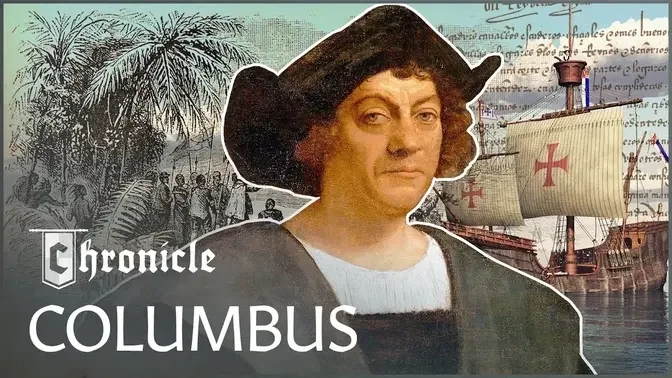


Voyages of the Age of Discovery
Marco Polo's account of his years in China later inspired European navigators, among them Christopher Columbus, who crossed the Atlantic in 1492. Amerigo Vespucci, whose name the Americas came to bear, described the lands as a New World. Vasco da Gama opened the sea route to India, Ferdinand Magellan led the first expedition to sail around the globe, and Sir Francis Drake completed the second circumnavigation.

 2.5K followers

 3 followers

 24 followers


Spain and the New World
Queen Isabella of Castile, with King Ferdinand of Aragon, sponsored Christopher Columbus's 1492 voyage across the Atlantic. In the following decades Spanish expeditions spread across the Americas: Hernán Cortés overthrew the Aztec Empire in Mexico, and Francisco Pizarro the Inca Empire in Peru, bringing vast territories under the Spanish crown and reshaping two continents.

 13 followers


View All
All featured content under Christopher Columbus


