
Queen Isabella
Queen Isabella
Queen Isabella (1451–1504), Isabella I of Castile, was Queen of Castile from 1474 until her death and, with her husband Ferdinand II of Aragon, one of the Catholic Monarchs whose union laid the foundations of a united Spain. Her marriage to Ferdinand in 1469 joined the two largest Iberian crowns, and once her throne was secure she worked to restore order, reform royal finances and strengthen justice in Castile. In 1492 the surrender of Granada completed the centuries-long Reconquista, and in the same year she sponsored the first voyage of Christopher Columbus, which opened the Americas to European exploration. A patron of learning, she accepted the dedication of Antonio de Nebrija's Castilian grammar, one of the first grammars of a modern European language. In 1496 Pope Alexander VI gave the couple the title "Catholic Monarchs." Her devout faith shaped her reign, and she remains a central figure in Spanish history.
Latest UpdatesLIVE


Spain and the New World
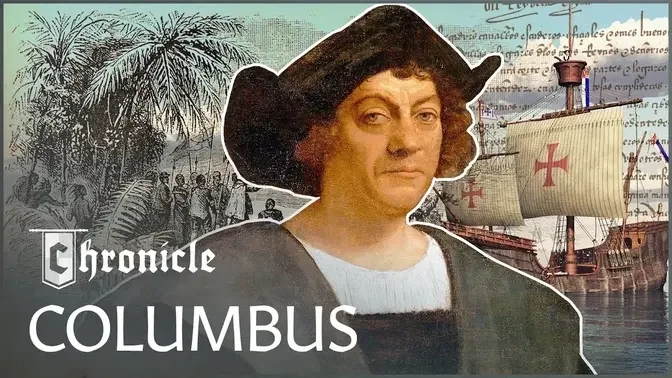
Queen Isabella of Castile, with King Ferdinand of Aragon, sponsored Christopher Columbus's 1492 voyage across the Atlantic. In the following decades Spanish expeditions spread across the Americas: Hernán Cortés overthrew the Aztec Empire in Mexico, and Francisco Pizarro the Inca Empire in Peru, bringing vast territories under the Spanish crown and reshaping two continents.

 13 followers




Queens Who Shaped History
Boudica, queen of the Iceni, led a great uprising against Roman rule in Britain around AD 60. Isabella I of Castile helped unite Spain and sponsored the voyage of Columbus, and Elizabeth I's long reign saw England flourish in exploration and the arts. Catherine the Great expanded Russia and championed learning, and Queen Victoria reigned for nearly 64 years over a vast empire.


