
Sir Francis Drake
Sir Francis Drake
Sir Francis Drake (c. 1540–1596) was an English sea captain and navigator who led the second expedition to sail around the world and the first to complete the voyage under a single commander. Born in Devon to a Protestant farming family, he went to sea young and rose to command through voyages to the Caribbean during England's maritime rivalry with Spain. His turning point was the voyage of 1577–1580: aboard the Golden Hind he passed through the Strait of Magellan, sailed up the Pacific coast of the Americas to California, which he claimed as Nova Albion, and crossed the Pacific and Indian oceans home. Queen Elizabeth I knighted him on board his ship in 1581. He later served as vice admiral in the 1588 campaign against the Spanish Armada. He died of illness at sea off Panama in 1596, and the Drake Passage bears his name.
Latest UpdatesLIVE


Voyages of the Age of Discovery
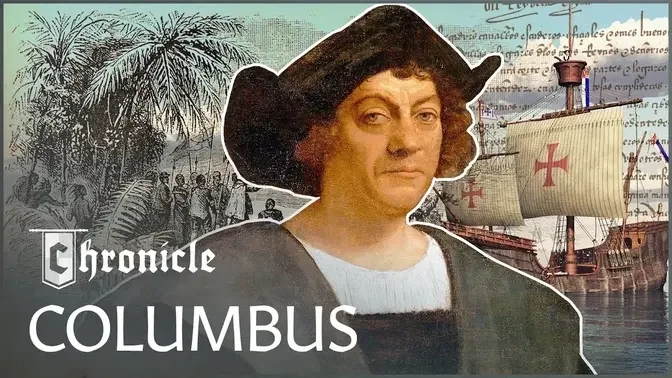
Marco Polo's account of his years in China later inspired European navigators, among them Christopher Columbus, who crossed the Atlantic in 1492. Amerigo Vespucci, whose name the Americas came to bear, described the lands as a New World. Vasco da Gama opened the sea route to India, Ferdinand Magellan led the first expedition to sail around the globe, and Sir Francis Drake completed the second circumnavigation.

 2.5K followers

 3 followers

 24 followers




The Tudor Age
Thomas More served Henry VIII as Lord Chancellor but refused, for reasons of conscience, to accept the king as head of the English church. Henry's daughter Elizabeth I presided over a flourishing of English culture and seafaring: Sir Francis Drake sailed around the world, Edmund Spenser dedicated The Faerie Queene to her, and William Shakespeare's first plays reached the London stage.

 2 followers
 2 followers

 14 followers


