Vasco da Gama
Vasco da Gama
Vasco da Gama (c. 1460–1524) was a Portuguese navigator who commanded the first voyage to sail directly from Europe to India, opening a sea route between the Atlantic world and Asia. Born in the coastal town of Sines, he was chosen by King Manuel I to complete the search for an ocean passage that Portuguese mariners had pursued along the African coast for decades. Leaving Lisbon in July 1497, his fleet rounded the Cape of Good Hope, sailed up the East African coast and, with a local pilot, crossed the Indian Ocean to reach Calicut in May 1498. He returned to India in 1502 and in 1524 was appointed viceroy of Portuguese India, where he died that year. His voyage transformed trade between Europe and Asia and is celebrated in Luís de Camões's national epic, The Lusiads.
Latest UpdatesLIVE


Voyages of the Age of Discovery
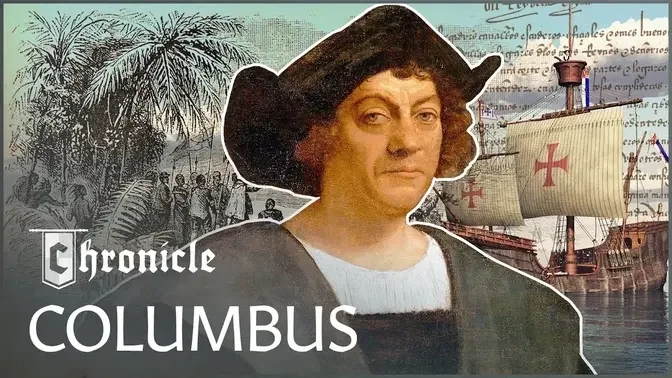
Marco Polo's account of his years in China later inspired European navigators, among them Christopher Columbus, who crossed the Atlantic in 1492. Amerigo Vespucci, whose name the Americas came to bear, described the lands as a New World. Vasco da Gama opened the sea route to India, Ferdinand Magellan led the first expedition to sail around the globe, and Sir Francis Drake completed the second circumnavigation.

 2.5K followers

 3 followers