

Conclusion
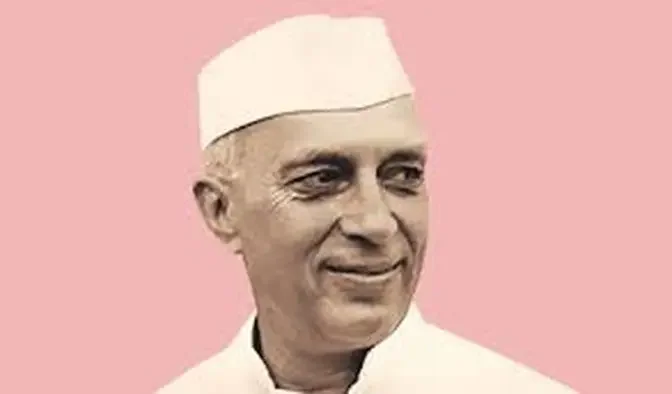
Nehru was a writer of distinction. His major works, Glimpses of World History (1934), Discovery of India (1946), and An Autobiography (1936), were all written in prison. His Autobiography is considered his most important work. It is less a chronicle of his life than that of the nationalist movement. It was too much to hope that the British public would take to sharp criticisms of British rule in India from one of the most radical leaders of Indian nationalism, but the book became a best-seller in England. It had ten printings in 1936 and was translated into thirty-odd languages. Besides being an exercise of the author in introspection, it presented for the first time the case for Indian independence under Gandhi's leadership in an idiom that the West could understand.
No political leader, with the exception of Gandhi, stirred the minds and hearts of the Indian people for so long and so deeply as Nehru did. As one of the principal architects of Indian freedom, as a nation builder and as a champion of world peace, Jawaharlal Nehru was among the tallest figures of the twentieth century. He led his country during the difficult years of transition from colonialism to democracy, from traditionalism to modernity, and from a stagnant to a developing economy.
As prime minister of India, the task Nehru undertook was a formidable one: the simultaneous pursuit of national integration, political democracy, economic development, and social justice; in all these objectives he achieved a measure of success. But there were losses as well: the failure to foresee the population explosion, to strictly enforce land reforms, to accelerate universal elementary education, and to stem the slide in the standards of administration. These deficiencies and failures were partly attributable to Nehru's own limitations, partly to the actual working of his party and the political system. Unlike Gandhi, Nehru lacked the gift of identifying and harnessing political talent, and he failed to build up a second line of leadership. However, the charge that he sought to set up a political dynasty is untenable. It is true that he stubbornly refused to nominate a successor. A week before his death, he said, "If I nominate somebody, that is the surest way of his not becoming prime minister. People would be jealous of him, dislike him." However, during his last illness, when he recalled Lal Bahadur Shastri to join his Cabinet, it was taken as a hint that he favored him as his successor. As for his daughter, Indira Gandhi, her opportunity was to come seventeen months later, after Shastri's sudden and untimely death, when she was elected leader of the Congress Party in an open contest.
Comments