
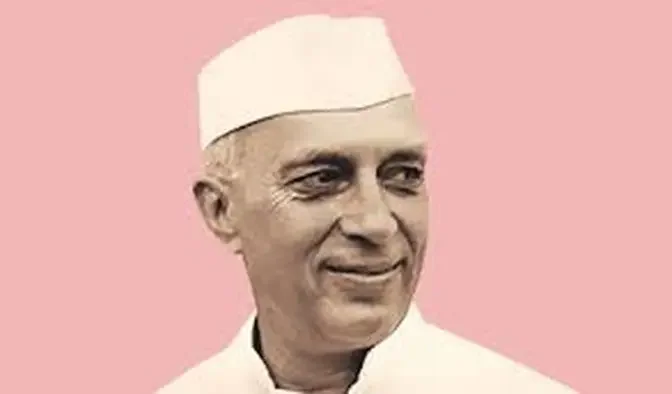

Nehru and World War
In 1935, when Nehru's wife suffered a serious relapse of her pulmonary tuberculosis, he was released from prison—he had been arrested in February 1934—to take her to Switzerland. This visit increased his sensitivity to the currents and crosscurrents of international politics and his hatred of the totalitarian regimes that were casting the shadow of war over Europe. When World War II broke out in 1939, Nehru wanted the Indian National Congress to throw its weight on the side of the democracies, but he realized that the people of India could hardly be inspired to wholeheartedly participate in the war effort unless the British government gave India a real stake in the war. Nehru hated the totalitarian regimes and wanted India to strengthen the Allied cause but, to his dismay, the British government headed by Winston Churchill failed to make any imaginative gesture to nationalist India. In 1940–1941, after the fall of France and after the entry of Japan into the war, the Congress had offered to join a national government to resist the Axis powers. In March 1942 the British government sent a Cabinet minister, Sir Stafford Cripps, with proposals on the future constitution of India to enlist the support of Indian political parties, but no agreement could be reached.
Comments