
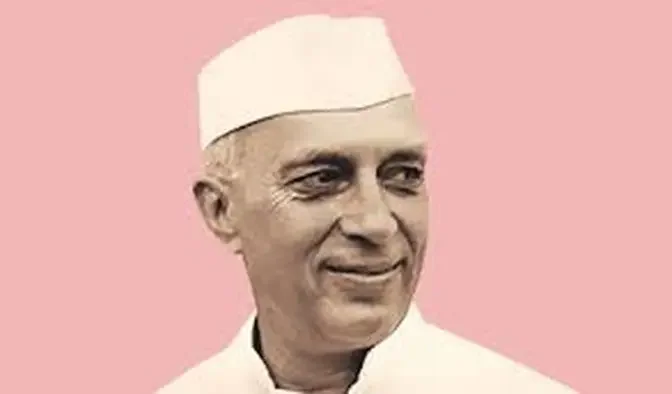

Nehru and Gandhi
This was not the first, nor would it be the last, time that Nehru differed with Gandhi. There were numerous occasions when he was assailed by doubts about Gandhi's policies, but he did not press his differences to the breaking point. They were divided by twenty years of age as well as intellectual and temperamental differences. Contrary to the common impression, however, it was not always Nehru who gave in. Gandhi knew that young Nehru was not a blind disciple; he wanted to harness Nehru's talents and dynamism for the national cause, and was confident of containing his impetuous and rebellious spirit. It was not without much inner conflict that Jawaharlal was able to reconcile the conflict between his mind and his heart, between his own views and his loyalty to Gandhi. He knew that Gandhi was open to argument and compromise on important issues. There were several planks in the Congress program that Nehru sponsored and Gandhi accepted, such as the declaration of fundamental rights in 1931, the struggle for civil liberties in the princely states, and the unequivocal denunciation of Nazism and fascism in Europe.
Comments