

CHAPTER THREE
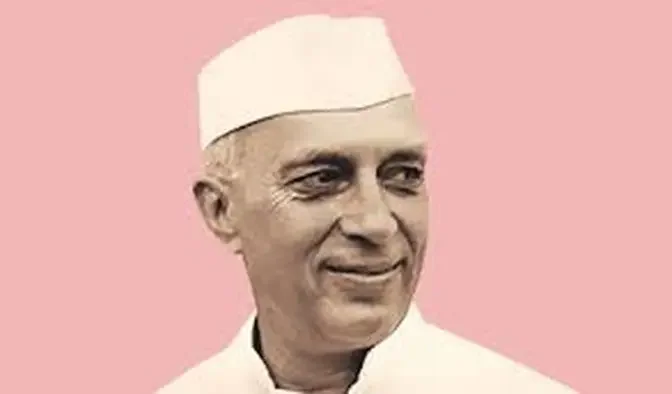
Jawaharlal Nehru and Abul Kalam Azad
DISCOVERING INDIA
On the afternoon of9August1942a convoy of vehicles entered themain gate of Ahmednagar Fort in western India and deposited its pas-sengers in front of a high-walled, enclosed compound that appeared toone of the arrivals to be about 200 feet long and 150 feet wide. Inside, thecompound was lined on three sides by barracks-like structures, withverandahs running along the length of each line of rooms.1Most of thosewho arrived there on that afternoon were to spend almost three yearswithin its confines, suspended in space and time as the world rushed fromcrisis to crisis outside those walls. When they first entered the compoundthe second great war in a quarter-century was raging at its peak. Hitler’smilitary machine seemed unstoppable, its fateful thrust towards Stalin-grad having only just begun. And, in India itself, British Indian troopshad retreated back into the country, abandoning Burma to Japaneseforces. There was widespread expectation of an invasion from across theborder before the end of the year. When the inmates emerged fromAhmednagar Fort at various points in 1945, they entered what appearedto them a new world. The fascist onslaught had been definitively rolledback, and the end of the war was in sight. A new polarity of global powerwas emerging, and the full scale of the horrors of the genocide in Europewas becoming known. In India it was increasingly clear that the ques-tion was no longer whether but when the Raj would, as the inmates of thefort had put it the day before their arrests in Bombay, ‘‘quit India.’’The internment of the members of the All-India Working Committeeof the Indian National Congress after their passage of the so-called QuitIndia Resolution is the subject of legend in the culture of the nationalistmovement. It was to be their last period of internment before thetransfer of power from the final legatees of the East India Company andthe British Raj to the nationalist elite.2The most famous intellectualproduct of this internment is Jawaharlal Nehru’sDiscovery of India(1946), written almost entirely in jail and one of the richest textual ex-pressions of the modern nationalist imagination. Part historical inter-pretation, part autobiography, part prison diary, part allegory, and partpolemic,Discoveryis notoriously an embodiment of a self-assured andself-conscious nationalism, an account of the emergence of the modern.
Comments