
Francisco Tárrega - Capricho árabe (1892)
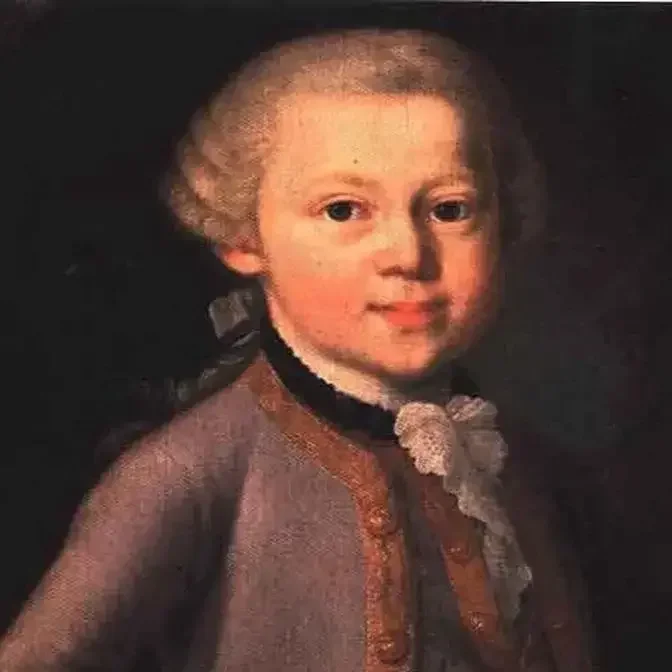
Francisco de Asís Tárrega y Eixea (21 November 1852 – 15 December 1909) was a Spanish composer and classical guitarist of the late Romantic period. He is known for such pieces as Capricho Árabe, Recuerdos de la Alhambra and Gran Vals.
Please support my channel:
https://ko-fi.com/bartjebartmans
Capricho árabe (1892)
Dedication: Tomás Bretón
Giulio Tampalini, guitar
Capricho árabe (Arabic Caprice) is an 1892 composition by Spanish composer Francisco Tárrega. The piece was composed after a trip through Andalucia and North Africa, he dedicated it to his friend, conductor Tomás Bretón.
The piece is around 5 minutes long and is in AABA form with an introduction. The A sections are in D minor, while the B section modulates to the relative F major and then to D major, which is the parallel major of the home key. Performers must use drop D tuning to access the low tonic.
Three bands surrounding Tárrega's coffin played the song during his funeral in his honor.
Capricho Árabe showcases Tárrega's unique style, which blends romanticism and Spanish musical traditions. It is also widely recognized for its beauty and utilizes slur techniques like portamento on the classical guitar.
The piece was later used in the television series Miami Vice’s episode "Honor Among Thieves?".
Tárrega composed music in the Romantic style of 19th-century European masters. His conservatory training and familiarity with contemporary classical genres and techniques are apparent in his compositions and transcriptions; these are more sophisticated than those of Spanish guitarist-composers of the previous generation and his contemporaries, e.g., Magín Alegre, Tomás Damas, Julián Arcas, José Viñas, and José Ferrer.
A virtuoso on his instrument, he was known as the "Sarasate of the guitar," although Tárrega preferred small intimate performances over the concert stage.
Tárrega is considered to have laid the foundations for 20th-century classical guitar and for increasing interest in the guitar as a recital instrument. One of his late students, Josefina Robledo Gallego, promoted Tárrega's style on her concert tours to South America and is credited with "becoming the main disseminator of the Tàrrega school in Brazil."
The Francisco Tárrega International Guitar Competition has been held annually since 1967 in Benicàssim, Spain, which aims to promote his works and support emerging guitar talent.
Although only 19 original compositions were published in his lifetime, Francisco Tárrega composed approximately 80 original pieces and 120 transcriptions – mostly for his own use and that of his students. Most of his later published works were edited by others, and often altered. His favored genres were character pieces (several with Spanish, Moorish and Arabic allusions) including preludes, etudes, caprices, serenades, and dances.
He transcribed many works from the piano (he was a capable keyboard player), violin and the operatic repertory. As with several of his Spanish contemporaries, such as his friend Isaac Albéniz, he had an interest in combining the prevailing Romantic style in classical music with Spanish folk elements and transcribed several of Albéniz's piano pieces.
He is also the composer of Gran Vals, an excerpt of which was used in the Nokia tune, the default ringtone of Nokia phones. It appears on these phones in a variety of different styles and instrumentations; for example, phones from 2002 to 2007 include piano-based renditions, while phones released during 2008 to 2010 feature a folk-inspired guitar rendition.
Violinist Ruggiero Ricci arranged Tárrega's Recuerdos de la Alhambra for solo violin and often performed it as an encore.
In 2015, the Italian violist Marco Misciagna published his arrangements for solo viola of the Tango, Capricho árabe and Recuerdos de la Alhambra.