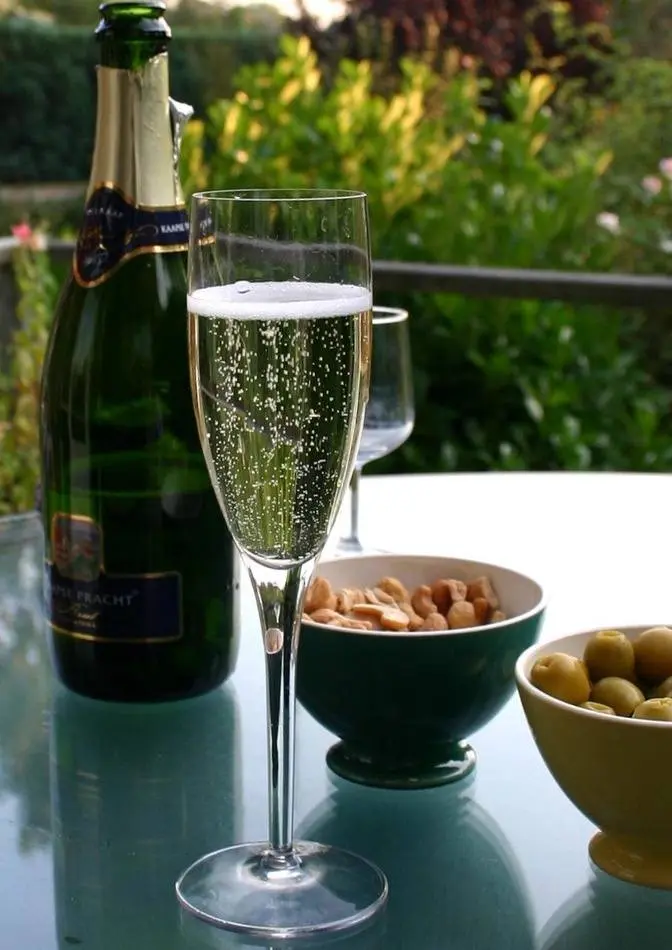
Alta Langa DOCG – Can Piemonte challenge Champagne? Is Alta Langa DOCG sparkling wine better than Champagne?
In this video, we travel to the beautiful hills of Piemonte in northern Italy to discover one of Italy’s most exciting traditional-method sparkling wines: Alta Langa DOCG.
Often compared with Champagne, Alta Langa shares two of Champagne’s most famous grape varieties — Pinot Nero (Pinot Noir) and Chardonnay — as well as the traditional method, with the second fermentation taking place directly in the bottle. But Alta Langa has its own identity, history, terroir and some particularly strict production rules. Pinot Nero and Chardonnay must account for 90–100% of the blend, with up to 10% of other permitted non-aromatic Piemonte varieties allowed.
One of the keys to understanding Alta Langa is altitude. The vineyards are located in the hills of southern Piemonte, across the provinces of Cuneo, Asti and Alessandria, and must be planted at a minimum of 250 metres above sea level. The official consortium gives an average altitude of around 440 metres. These cooler hillside conditions and significant temperature differences between day and night help preserve the freshness and acidity that are so important for high-quality sparkling wine.
In the video, I take a closer look at the entire appellation: the grape varieties, vineyard locations, altitude and soils, how Alta Langa is made, its long ageing on the lees and why every Alta Langa is vintage dated. Under the current regulations, Alta Langa spends at least 30 months on the lees, while Riserva requires at least 36 months.
And, of course, we compare it with Champagne. How similar are the two wines? Where are the important differences? And can the high-altitude vineyards of Piemonte produce a traditional-method sparkling wine capable of standing alongside the world's most famous bubbles? My favourite Alta langa producer is Fontanafredda
I also explore some of the other important traditional-method sparkling wine appellations of northern Italy, including Franciacorta DOCG, Oltrepò Pavese Metodo Classico DOCG, Trento DOC and the lesser-known Vigneti della Serenissima DOC from Veneto.
There is also an exciting new chapter developing for Alta Langa. I discuss the upcoming categories Blanc de Blancs, Blanc de Noirs and Rosé de Noirs, as well as the planned strengthening of Alta Langa Riserva, with its minimum lees ageing moving from 36 to 60 months.
Finally, we open a bottle and taste Alta Langa to see what all that altitude, acidity, Pinot Nero, Chardonnay and extended lees ageing actually deliver in the glass.
If you love Champagne, Franciacorta, Trento DOC or Metodo Classico sparkling wines, Alta Langa is definitely an appellation worth discovering.
🥂 Have you tried Alta Langa DOCG? And do you think it can compete with Champagne? Let me know in the comments.
Subscribe to Wine Tuber for more wine regions, appellations, tastings and stories from around the world.
This video explores Alta Langa, a high-quality Italian sparkling wine from the Piedmont region. Often considered a top alternative to Champagne, Alta Langa utilizes the traditional method and similar grape varieties. The video details its strict production regulations, historical roots, and various styles, concluding with a tasting of a 12-year-old vintage to demonstrate its complexity.
Hi guys! WineTuber here and if you've been watching my channel for some time
you probably noticed that I can't really resist with good quality
sparkling wine. One of them is Italian Alta Langa which for some reasons is
still quite underrated but at the same time
by many sommeliers it's considered as one of the best
Italian alternatives to champagne. So what makes Alta Langa really special
and can really compete with champagne? Let's find out!
Before we start many thanks to consortium of Alta Langa DOCG for
helping me with this video and if you're watching my channel for
the first time please consider subscribing!
Alta Langa is located in the Piedmont region of northwestern Italy.
Its name refers to the higher hills of this beautiful
area. Alta literally means high in Italian
while Langa refers to the Lange area. In fact the name reflects the
importance of altitude. Vineyards of Alta Langa DOCG wines
must be at least 250 meters above the sea level.
In reality many vineyards sit much higher giving the grapes
freshness and acidity that is so important for the production of quality
sparking wine including Alta Langa.
So before we move on to the main part of this video I would like to share with
you seven interesting facts about Alta Langa
wines. The maximum wine production per hectare
is limited to only 7,150 liters.
Pressing, bottling and aging of Alta Langa must take place within Piedmont
region. To improve the quality and complexity
the wine might contain up to 15 percent of
reserve wine. The minimum alcohol content cannot be lower than 11.5 percent.
Alta Langa is produced only in drier styles.
Styles such as sec or demi-sec do not exist. Alta Langa is always
vintage meaning that the year of the harvest must appear on the label
and finally Alta Langa became a DOC
in 2002 and was promoted to DOCG in 2011.
However the roots of Alta Langa date back to the 19th century when king
Carlo Alberto wanted to create a Piedmontese sparkling wine
as good as champagne. By 1849 over 40,000 bottles of sparkling
wines were already aged in underground cellars.
So while an Alta Langa DOCG was created late
but its sparkling wine tradition is over 170
years old.
If you're a serious wine lover or sommelier you should also know that
there is few more Italian wine appellation that produce
Metodo Classico wine from very classic champagne grapes.
First is Franciacorta DOCG in Lombardy. It's produced mainly from Chardonnay and
Pinot Nero with Pinot Bianco and small proportion of
Erba Matiz also permitted. The second DOCG is
Oltrepo Pavese Metodo Classico also in Lombardy.
Pinot Nero is the main grape variety here however Chardonnay,
Pinot Bianco and Pinot Grigio are also permitted.
Then we have Trentodoc in Trentino. Chardonnay and Pinot Nero are the main
varieties but Pinot Bianco and even Pinot Meunier
it's permitted. Yes you hear that right Pinot Meunier.
And finally one of the lesser known appellation is Vignetti della Serenissima
DOC in Veneto. This denomination is specifically reserved for sparkling wine
made by secondary fermentation in the bottle using Chardonnay, Pinot
Bianco and Pinot Nero grape varieties.
As you can see northern part of Italy it's homeland of
incredible sparkling wine produced by the same
technique as Champagne.
So guys the first thing that Alta Langa and Champagne have definitely in common
is the grape varieties permitted in both regions.
Did you know that there are more than 70 grape varieties growing in Piedmont?
However when it comes to the Alta Langa the two most important ones are
Pinot Noir and Chardonnay. Pinot Noir accounts for around 67% of whole
plantings which is Chardonnay accounts for around
33% of plantings. Fun fact did you know that Alta Langa
producers can also add up to 10% of other grapes to their blends.
However this is something really really rare.
The vast majority of Alta Langa wines are still produced from two varieties
Pinot and Chardonnay. What is also quite interesting both
varieties are also behind on one of the most
prestigious Champagnes including Cristal, Dom Perignon or La Grand Dame produced by
Veuve Clicquot, meaning that Alta Langa can
actually compete with Champagne. Now let's move on to Alta Langa aging
regulations especially interesting topping when compared
with Champagne.
Did you know that Alta Langa DOCG wines are made
exclusively by using metodo classico also known as traditional method the
same method used for Champagne meaning that the second
fermentation takes place inside the bottle and the wine stays on
the leaves to develop more ageability and complexity and this is the
next major similarity between Alta Langa
and Champagne.
As I mentioned earlier Alta Langa it's always
a vintage wine meaning that it's produced from the grapes
harvested in the single year. Classic Alta Langa must be aged on the
leaves for minimum of 30 months before its release to the
market. What's more there is also Alta Langa
which previously had to be aged for minimum of 36 months on the leaves
the same minimum required for vintage Champagne.
However the vast majority of producers either of
Alta Langa or Champagne usually choose to
age their wine for bit longer. And breaking news the Alta Langa consortium
has confirmed a massive change in the regulation.
The minimum aging of Alta Langa Reserva
has been increased from 36 to 60 months on the leaves. I really cannot wait
for the new Alta Langa Reserva and to see the complexity and ageability
of this incredible wine. By the way if you like to learn more about
six different styles of Alta Langa stay tuned!
Alta Langa like many other sparking wine regions is available in several
different styles including Classic, Rosé, Blanc de Blanc,
Blanc de Noir, Rosé de Noir and Reserva. So Classic Alta Langa and
Alta Langa Rosé can be made from Pinot Noir and
Chardonnay. Blanc de Blanc is made exclusively from the Chardonnay
while Blanc de Noir and Rosé de Noir are made
only from the Pinot Noir grape variety. It's also worth to mention that Blanc
de Noir, Blanc de Blanc and Rosé de Noir are
technically new categories. They should be formally
introduced together with updated Alta Langa Reserva regulations
hopefully next year. Now we are moving to the most
exciting part of this video. In the next 30 seconds I will open bottle of
Fontana Freda Alta Langa Extra Brut 2014, 12 years old
Alta Langa.
So the bubbles are definitely still there.
Wow! Now bubbles are absolutely beautiful.
The color as I expected it's quite dark for the Sparkling Wine but not too dark
for 12 years old I think. Yeah I mean it's beautiful color.
Wow! The nose it's super exciting. Okay I get some bit of dried fruits, bit
of apples, flowers, touch of honey,
bee wax. Yeah it's you can tell that slightly oxidative character here
because I'm getting also some nuttiness. Mirabella plums.
Wow! On the palate it's exactly the same like on the nose.
It's full of dry fruit, dry apples, quince, dry pear, Mirabella plums,
bit of honey, bit of bee wax, toastiness and kind of brioche
character. The wine stays on the palate for quite
long which is beautiful. Wow! Wow! Wow! I'm
super excited. To be honest I wasn't sure what to
expect from 12 years old Alta Langa. I have a feeling that it will have some
oxidative character on the nose, right? It's there but the quality of the
bubbles, quality of the wine and quality of
everything actually it's in the glass. So guys Alta Langa wines can easily
compare with Champagne. That's for sure.
Guys many thanks for watching this video until the end. I have to say that
opening 12 years old Alta Langa wine was fantastic
experience and I'm glad I can share it with you.
What else? Alta Langa and Champagne have lots of things in common. Same grape
variety, same technique, long aging on the list
especially from next year Alta Langa Riserva will be aged for
five years. So guys if you like vintage Champagne,
complex bubbles, developed bubbles made from the two most iconic grapes such as
Pinot Noir and Chardonnay you should definitely try Alta Langa.
By the way if you'd like to learn more about other sparkling wines such as
what is the difference between Prosecco and Champagne
click this link or if you'd like to learn more about
Veuve Clicquot, the most interesting fun facts about
this particular house click this link. By the way
don't forget to subscribe and see you next time!