
Everything you need to know about Champagne and other Sparkling Wine!
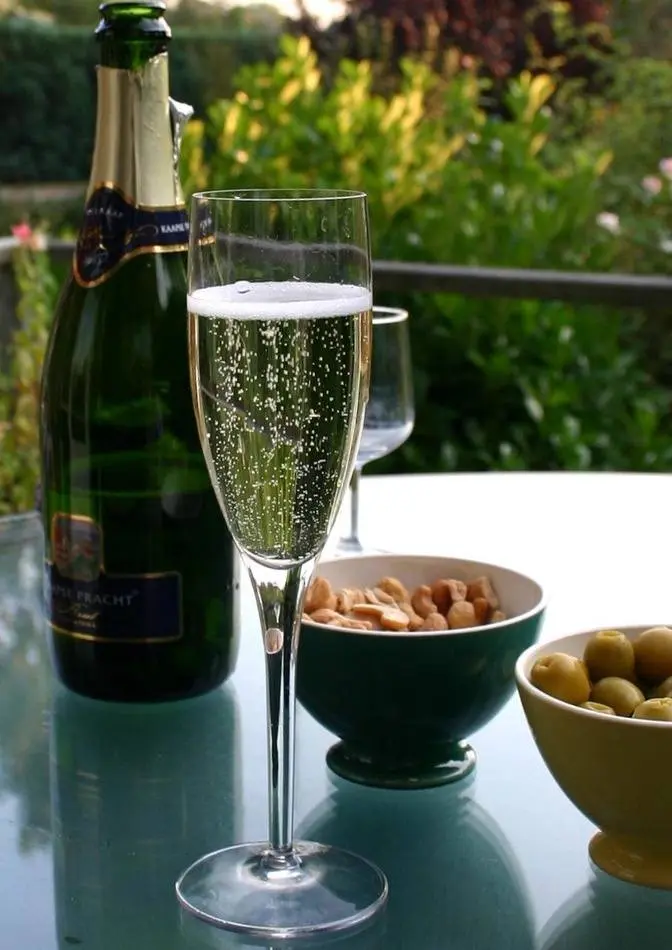
Everyone loves bubbles! But, sometimes it can feel like a carbonated minefield out there, so I asked a sommelier along to make sure you get the best bottle for your taste and budget
#wineculture #theworldofchampagne
Bubbles. You know you love them and many an occasion in life is marked by popping bottles.
They're also quite often used in champagne cocktails and actually the idea for this
episode sort of struck me while I was making a death in the afternoon video,
which you can watch here if absence and bubbles sounds like a good time to you.
But do you really have to use champagne or like will Prosecco suffice and then what the hell is
a pet in that? So here to answer all of our questions is the effervescent Rory Comer and
I might even be lucky enough to get her to make me a cocktail later so stay tuned.
Rory is a sommelier and a winemaker as well as a fellow committed hedonist so I couldn't really
think of anyone better to guide us through this carbonated minefield so thank you very much for
coming. Thanks for having me. No worry. So I guess to get started what glass should we be drinking
out of? We've got a few different options here, does it matter? There are a few things that you
should look for if you want the ideal champagne glass. What you really want is a glass with quite
a wide bulb at the bottom. Having a wider bulb at the bottom means that it releases a lot more
aromas from the wine and you want something with a more narrow rim so something sort of like this
glass really with a nice narrow rim like this and that will capture all the bubbles into the glass.
You can kind of just use whatever you want at the end of the day. Well I always, this is my
favourite one because it's got a little hollow stem and you see all the bubbles so even though
I know it's like technically not as good because I think that the bubbles disperse like more quickly
it just makes me feel really glamorous. Which is important. All right so you go this one and
I'll go this one. And I guess the first question is what makes champagne so special?
I guess the thing that makes champagne so special is that champagne is obviously from the region of
Champagne and it's got really amazing soils, it's got really chalky soils, it's really cool climate
so you get really amazing, really bright acidity, very mineral wines that you don't really get from
other sparkling wines around the world. So that's what's really special about Champagne but there's
still heaps of amazing alternatives to Champagne that are being made in plenty of other places
around the world now. Well yeah so I mean obviously we're gonna have to drink Champagne. We're doing
this for you guys, it's definitely not us that are enjoying it today but I guess just to have a
little taste to see if I can find these minerals that you're talking of. But then I guess my next
question is are there other ones which are maybe a bit cheaper but get similar sort of value? Yeah
these two are really good examples of that so there are other places in the world that make
Champagne. So there's places like in Spain in Pinedas where they make Carva which is made in
the same way as Champagne so it goes through two fermentations one outside of the bottle and a
second fermentation in the bottle which is where you get all those lovely bubbles and they're aged
on the leaves which is what they do in Champagne so you get a nice kind of toastiness and brioche
yummy characters like that. So Carva is made here in Spain from local varieties from Churello,
Macabeo and we've got here another alternative which is from the Loire Valley so this is made
from Chenin Blanc which is a local variety to the Loire Valley and it's made in the same way so
the same as Champagne the primary fermentation and then a second one in the bottle and aging
yeah so that's where you get all that texture and complexity yeah yeah cheers cheers
because yeah you do get that real kind of like bready steamy that like is just so different from
other sparkling wines like that's to me kind of how I always know if it's Champagne Champagne you
know yeah yeah and that's all from the yeast autolysis so what happens with the yeast inside
the bottle is they actually die and then they give off all these amazing aromas of like baked bread
and brioche so they kind of sacrifice themselves for us 100% but I do always I've said this before
on here that Carva obviously Bomba where I work is a Spanish restaurant so we serve a lot of Carva
and people can be a bit distrusting of it I think because there was a lot of like not very good
Carva flooded the market for a while but actually well made you know good quality Carva is such good
value for money again like yeah very complex and heaps going on to think about and everything but
generally like a third of the price of even a friend another French sparkling quite often
absolutely yeah yeah it's a good little hack that one now the other one that we see all the time and
you know that people are most familiar with and is used a lot in cocktails and things is Prosecco
and that one's a bit different right it is yeah so Prosecco originally comes from the Veneto
region of Italy it's made from a great variety called Gliera and it's made a bit differently
from Champagne it doesn't go through two fermentations it just goes through one fermentation
and instead of the bottle sorry the bubbles coming from being fermented in the bottle
and trapping the co2 it's actually um carbonated in a tank so it's not as I guess high quality
and you don't get all those lovely toasty characters because it's not aged on the leaves
like Champagne Method sparkling is yeah but it's a really fun sparkling wine to have if you want
something that's a little bit more fruity and not as sort of savory and toasty as a Champagne
Method sparkling yeah so I guess that's obviously why it's a bit more reasonably priced often is
because it's not as like labor-intensive yeah um but also again not to say that it's not delicious
oh totally and especially like on a hot you know crisp and clean like on a hot summer's day
that's just what you want or and definitely in your cocktails your spritzes and things like that
um you want something that's just a bit cleaner and gonna allow the other flavors to come through
yeah absolutely um now the other one so got this little guy here a bit of a new kid on the block
uh what is a petnat and should I be worried that they're always like really cloudy and have bits
that's a good question because I think that's something that is a bit of a barrier to a lot
of people trying petnat um the cloudiness is just because it's not filtered but that's that
doesn't mean there's anything wrong with it and the little floaty bits is just because it's um
fermented in the bottle sometimes little bits of leaves and tart traits uh get stuck in there so
tart traits are like these little crystals they're totally harmless to drink we call them wine
diamonds which is kind of nice um and the leaves is fine too it's not you know some people take
use it for face masks and stuff they think it's really good for you but they're totally fine to
drink it's completely safe yeah um petnat is petio natural or another name for it is method
so it's a type of sparkling that was kind of discovered by accident well in fact actually
all sparkling was discovered by accident what a happy accident I know a totally happy accident
right like um the benedictine monk dom perignon who's a lot of people will know the brand dom
perignon is very famous he actually accidentally got sparkling in his uh table wine from champagne
and he was doing everything he could to get the bubbles out of it so it's an accident but um
petnat yeah is a wine that is doesn't it's not like champagne where it goes through two
fermentations to get the bubbles um it just goes through one fermentation so um during the
fermentation of the wine when there's a certain level of sugar um the winemaker will put it into
the bottle and then it will finish fermenting in the bottle and the byproduct of the fermentation
is the co2 or the bubbles so they get all trapped in the bottle and that's why sometimes petnat's a
stops fermenting when it feels like it it's not as uh controlled process so sometimes petnats might
be a little bit sweeter than champagne yeah I find uh that most people like they're really
concerned about their wine being dry it's probably the number one question I get asked um because I
guess people a lot of people have like bad experiences of kind of like really cheap
moscato and stuff when they're kids and so they don't want that yeah but um well first of all
is a kind of an easy way of telling if you're in a bottle shop or something how sweet or dry
something is going to be and second of all you know does sweetness always have to be bad like
I feel like yeah it's obviously um it's obviously going to be each individual's perception but
you know sometimes I feel a bit bad for those wines that do have a bit of sweetness but that's
actually totally desired and yeah right for that wine yeah yeah um I think on the sweetness um
with it depends on the wine so I think there is like you said there's a perception that dry is
the best but uh with uh champagne in particular it's grown in a very very cool uh region which
means the wines have very very high acidity because I mean this is delicious but like yeah
the acid is like yeah but it does it this has actually a bit of sugar added to the dosage
and I think even though it's quite like acidic it's quite balanced as well and so that is a
really good demonstration of how important it is to actually utilize a bit of sugar in champagne
making well it's the same as cocktails sometimes I'll get someone be like can I have a mojito with
no sugar and of course I'm like sure if that's actually what you want but it's gonna not be a
very you know you need I will promise I won't make it too sweet but it needs to have a little
bit of sugar in there otherwise it's just like lime juice and rum yeah which is a pretty like
yeah not particularly desirable combination on a lemon yeah it's not super delicious so
it's all about balance really and I think just like cocktail making and wine making you're
always looking for balance um so with champagne because it's really high acid um ideally you're
looking for something with a little bit of a dosage dosage just means that they add a little
bit of sugar um so but with things like prosecco you don't really need dosage because it's a low
acid variety yeah um and so therefore it's just has like a lot more like fruit sweetness almost
yeah yeah totally so um that's kind of why sugar is not bad when it comes to sparkling it just
really depends on what type of sparkling it is yeah um in terms of like when you're in a bottle
shop and you're trying to work out uh how to you know which what's dry what's sweet there's some
um on the back of the label often you'll be able to find like this one here you probably won't be
able to see it on the camera but it says Brut Nature so that that when it says Brut Nature
what that means is there's been no sugar added at all so this is a really bone dry sparkling
um so it's quite often a bit more savory as well actually rather than like super fruity yeah yeah
so it can be kind of nice like to have something like and because it's not as high acid as
champagne like a bone dry cava can be quite balanced because it's it's not super acidic
yeah um and then you've got something like this uh Loire Valley sparkling here and on the back it
says extra dry but sometimes it might say extra Brut so that just means that it's got just a tiny
bit of sugar added um just to balance it out a bit and then um some wines will say Brut which
means that it's had a little bit more sugar added but it's still dry because Brut means dry and then
you can find something that says Demisec which means that it's a bit of a sweeter sort of style
of sparkling so sometimes you'll find uh from the Loire Valley Demisec sparklings so they're a little
bit semi-sweet um but they are starting to go out of fashion because now as uh these regions are
warming up their acid levels in the wines are dropping so they don't need to really add so much
sweetness they're actually kind of a little bit out of balance yeah that sweetness in them which
is so interesting like how climate change is actually just changing all of these traditions
that we've had for so long in terms of farming um because i know like a lot of producers are
you know bigger producers are like buying vineyards in different countries and stuff
now to try and get like a similar style of fruit than they used to be able to get
on their own vineyards but they just can't anymore because everything's getting hotter
yeah it's pretty crazy it's wild like in Champagne now we're seeing more and more
extra Brut or Brut Nature so low to no dosage or add addition of sugar because a lot of the
areas of Champagne are getting so warm that they don't need to add sugar anymore because
their acid levels are dropping and they're buying vineyards in England in the UK yeah it's pretty
crazy maybe there'll be a Scottish wine at some point i wouldn't be surprised yeah other than
which is an adopted Scottish wine um now one thing uh i guess in terms of that just like
working out what you like and what you don't i tend to find that i like um Champagnes and
and you know and Australian Sparklings and things that say Blanc de Blanc on them why is that okay
Blanc de Blanc is means that it's all white grapes so in Champagne that means that it could
well there's seven grape varieties but it could be uh Pinot Blanc or Pinot Gris or Chardonnay
but most commonly it's Chardonnay yep um i love a Chardy
it does yeah so that's what Blanc de Blanc means it's um a white grape based and so Blanc de Noir
means it's a black grape base so Pinot Noir, Pinot Meunier are the two main varieties um
so yeah if you want something Blanc de Blanc's a bit more minerally a bit more acid driven a bit
more kind of uh citrusy sort of style whereas a Blanc de Noir is a bit more of a fuller bodied
bigger style of sparkling yeah cool i'm glad to get to the bottom of that um and i guess that kind
of probably also leads into the next question which is like when bottles are pink like when
they're rosy what you know is that because you can get white Champagnes which are made from red
grapes that's right yeah what's kind of the difference there when it's pink so pink bubbles
are probably the superior bubbles oh 100% like the most festive of all bubbles i think um so when
they're white if it's made from black grapes but it's or red grapes um but it's a Blanc it's a
white wine um it means that what they've done is all the color and um wine comes from the skins
from the red skin so if you get a pink wine it's made from red grapes and it's had a little bit of
time of macerating of the juice with the skins and that's where you get the color from but in
sparkling they can use red or black grapes um to make white wine and that means that it hasn't had
any contact with the skin at all so they just press it really quickly and it doesn't touch the
skin yeah because all all of the juices white all the juice i guess if you eat a red grape it's still
white on the inside which is something that you don't really think about yeah yeah yeah cool and
then i guess just to to finish off um you know for people that are at home or like even myself
sometimes when i go into a bottle shop that just has heaps and heaps of options um you know what
do you what kind of questions would you think that you should ask the um or you know in a restaurant
or whatever on a wine list like how do you start to narrow it down do you have sort of a few
questions that you ask people when they come into the shop or or to um a restaurant where you're
serving and sort of talk to help them yeah just decide what's going to be right for them yeah yeah
i mean i think in a bottle shop setting it's thinking about you know do you want something
that's fruity or do you want something that's savory if you want something fruity i'd suggest
go for a prosecco or a petnat but if you want something a bit more savory and complex go for
a champagne method sparkling but it doesn't necessarily have to be champagne if you don't
really want to spend that much money because unfortunately as much as you know we deserve
to drink champagne every day it just doesn't always happen that way do you think that's kind
of different in a restaurant setting or is that sort of the same questions that you'd be asking
i think so yeah yeah just think about you know what sort of style of wine you're looking for if
you want something that's just a bit more fun a bit more fruity and festive um just let the let
the bartender or the sommelier know and it's always good to give them a bit of an idea about
what your budget is because then they can steer you in the right direction as well yeah yeah i
feel like that's always a hard one when you ask someone for a recommendation and and they either
go wildly out of your budget or sort of even like a bit lower than what you were thinking because it
is a special occasion or something so i think giving like a price bracket is always a good one
and yeah basically can determine whether or not you are going to be like champagne champagne or
something in that similar style but you know there's so many awesome aussie ones that are really
quite good value for money and i'm sure the same would be true in the states in the wine producing
regions and things there yeah plenty of bargains to be had absolutely um well thank you so much
so hopefully that's kind of cleared up some questions in the ever-changing uh world of
sparkling but obviously if you did have any other questions then i'm sure if you drop them in the
comments that i can uh get get our resident expert here to clear anything up that we didn't cover
um and i think it's about time that we started making some cocktails now that we've had our
initial glass of champagne so uh make sure that you subscribe and hit the notification bell so
you don't miss out on that episode when it comes out thanks cheers