
František Ignác Antonín Tuma (1704-1774) - Sinfonia Ex C
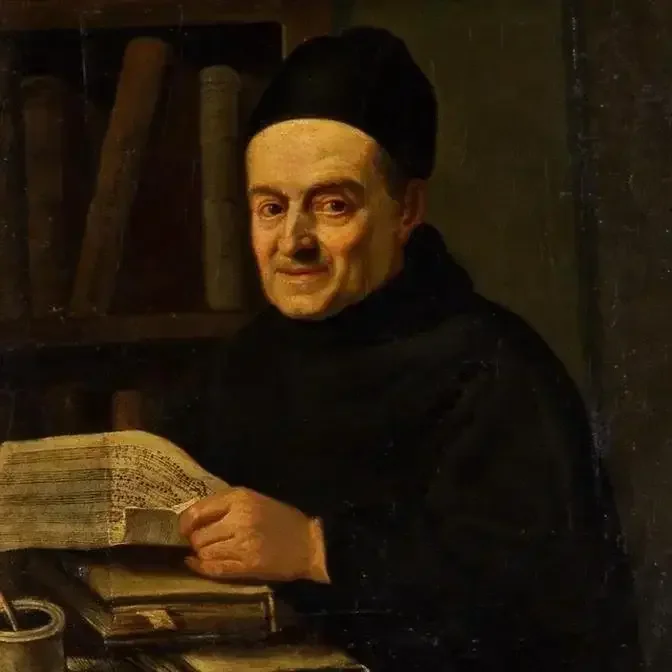
Všechno nejlepší k narozeninám František Ignác Antonín Tuma! 🎁👑
Composer: František Ignác Antonín Tuma (1704-1774)
Work: Sinfonia Ex C | à | Violino Primo | Secondo | Clarino Primo | Secondo | Tympanis | con | Basso
Performers: Czеch Ensemble Baroque Orchestra; https://tinyurl.com/yv3pkvax
Rοman Válеk (conductor); https://tinyurl.com/3fpv33ke
Sinfonia Ex C
1. Allegro 0:00
2. Andante 4:11
3. Menuetto 6:37
4. Allegro 8:49
Drawing: Unknown artist (18th Century) - Dem Löbl. Staabs-Ober und Unteroffiziers Korps des Bürgerl. Infant. Regiments. Wien den 14 des Herbstmonats 1783
HD image: https://flic.kr/p/2sE2hbE
Further info: https://tinyurl.com/yvh5czju
Listen free: https://open.spotify.com/album/6x4NoHUVkY37pr7airTxh9
---
František (Franz, Franciscus) Ignác Antonín (Anton) Tůma [Thuma, Tuma, Tumma]
(Kostelec nad Orlicí, 2 October 1704 - Vienna, 30 January 1774)
Bohemian composer. He received his first musical training from his father, organist at Kostelec, and probably studied in Prague, at the Jesuit seminary. He likely sang as a tenor chorister under Bohuslav Matěj Černohorský at the Minorite Church of St. James the Great, and he is believed to have received musical instruction from him. He then went to Vienna, where he was active as a church musician; according to Marpurg he became a vice-Kapellmeister at Vienna in 1722. Tůma's name first appears in Viennese records in April 1727, when he got married. In 1731 he became 'Compositor und Capellen-Meister' to Count Franz Ferdinand Kinsky, who was the High Chancellor of Bohemia. Kinsky's patronage made it possible for him to study counterpoint with Johann Fux in Vienna. He participated in the premiere of Fux's opera Constanza e Fortezza along with Georg Benda and Sylvius Leopold Weiss. In 1734, Kinsky recommended him for the post of the Kapellmeister to Prague Cathedral, but his recommendation arrived too late and he may have remained in Kinsky's service until the latter's death in 1741. In that year he was appointed Kapellmeister to the dowager empress, the widow of Emperor Charles VI. On her death in 1750, Tůma received a pension. For the next 18 years he remained in Vienna and was active as a composer and as a player on the bass viol and the theorbo; he was esteemed by the court and the nobility, and at least one work may have been commissioned from him by the Empress Maria Theresa. After the death of his wife in about 1768, Tůma lived at the Premonstratensian monastery of Geras, but in his last illness he returned to Vienna and died in the hospital of the Merciful Brethren in the Leopoldstadt.