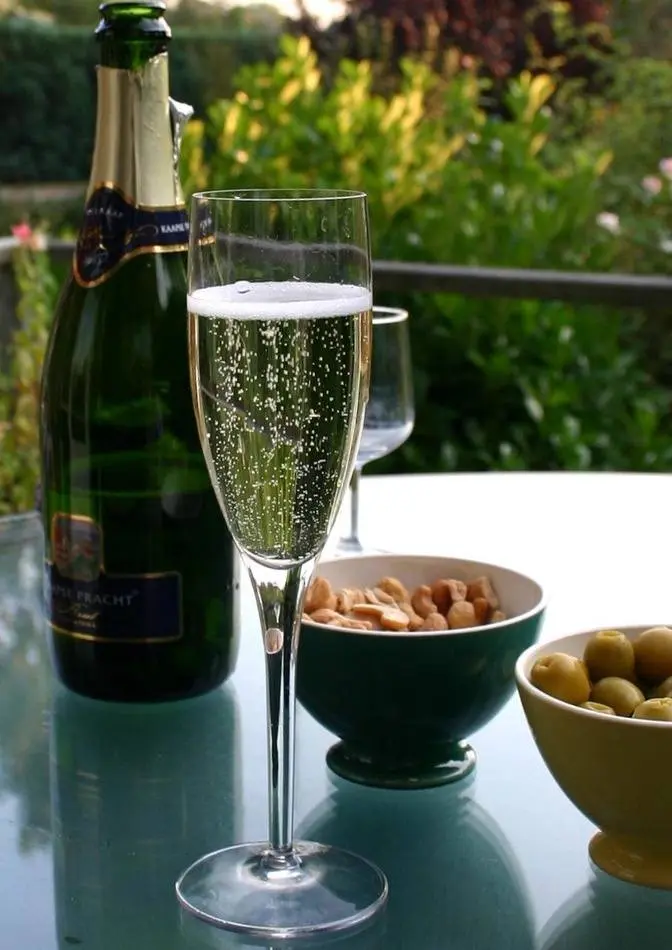
Finding affordable sparkling wines that taste expensive is possible. See ten bottles that impress even the biggest champagne snobs.
You do not need to spend a fortune to enjoy a high-quality glass of bubbles. This video covers ten specific bottles that offer incredible flavor profiles without the premium price tag. We look at everything from the winemaking process to tasting notes, ensuring you have the knowledge to pick affordable sparkling wines that perform well above their cost. It is for anyone who loves a great glass of wine but wants to keep their wallet happy.
Among the selections, we highlight Gruet, a standout producer from New Mexico. Its quality is so impressive that it often surprises those who usually stick to French labels, which makes it one of our top champagne alternatives. By comparing various options, you will learn exactly what to look for on the shelf. Whether you are hosting a dinner party or just relaxing at home, these sparkling wine recommendations will help you find a budget bubbly that does not compromise on sophistication.
This video recommends ten affordable sparkling wines that offer high quality and prestige, making them acceptable even to \"champagne snobs.\" The selection focuses on wines with traditional production methods, significant aging on yeast, or ties to renowned French champagne houses, proving that luxury taste doesn't always require a luxury price tag.
10 Cheap Sparkling Wines Even a Champagne Snob Can't Hate
The word champagne proves nothing, so we checked what does,
and our number one was founded by the president of a champagne house.
10. Gruet
We'd pour this one for the snob first, because it's the bottle he'll find hardest to wave away.
It comes from New Mexico and costs around $17, and that's usually where he stops listening.
Here's what brings him back.
Gilbert Gruet's Champagne House, Gruet et Fils,
has been making champagne in Bethon, France, since 1952.
So the name on this New Mexico label belongs to a family
with more than 70 years of champagne behind it.
And the family doesn't rush this one.
It spends 24 months on tirage, and that's where its toasty finish comes from.
Two years is a long wait for a bottle this cheap,
so the next time someone scoffs at New Mexico, you've got your answer.
A family that's made champagne in France since 1952
makes this bottle in New Mexico for around $17.
At nine, Gloria Ferrer, the bottle for anyone who assumes cheap fizz,
gets rushed out the door.
It's a Sonoma Brut from California.
It costs around $22, and its list price is around $30.
Once it's in the bottle, it rests on its yeast for a year and a half.
The winery's own tech sheet says that rest is what develops its complexity and its bubbles.
That's patience you can check, written down by the people who made it.
And it makes this the easy bottle to defend in the aisle.
18 months resting on its yeast in the bottle, for around $20.
Number eight, Nino Franco Rustico.
It's the only Prosecco we let in, and it makes the snob sneer loudest,
right up until he hears where it finished.
It's a Prosecco Superior from Valdobiadin,
made only from the glera grape, and it costs around $20.
In 2019, Wine Enthusiast published its top 100 wines of the year,
and this bottle was listed at number one.
The shop that sells it describes,
gorgeously elegant notes of pear, citrus, and honeysuckle,
which is a long way from the party fizz he's picturing.
So pour it without showing him the bottle,
and let him guess what it is before you tell him.
A Prosecco at around $20 sat at number one on Wine Enthusiast's top 100 of 2019.
Seven is Lopart, a bottle that comes with a grudge,
and the grudge is the best reason to buy it.
It's a Brut Reserva.
It costs around $30, and the word on its label is corponat.
The producers behind that word pushed back on the Cava label.
In their words,
we told the regulatory board that there was a need to clearly explain on labels
why some Cavas retail at $5 and others at $100.
This bottle shows what the careful end of that range looks like.
It's made the champagne way,
with a second fermentation in the bottle,
and it ages 18 months in bottle before release.
The shop describes,
apple, nectarine, and melon flavors,
that finish clean and mellow.
For around $30 you're drinking the argument they were making.
Winemakers said one label was covering a $5 bottle and $100 a bottle.
Number six, Segura Viudas Reserva Heridad.
At this price, patience is exactly what you're paying for.
It's a Cava from Spain,
and it costs around $33 down from a list price of around $37.
That makes it the priciest bottle we picked,
by a single dollar.
Before it's sold, it rests on its yeast in the bottle for more than 24 months.
If the snob wants to talk about time on yeast,
hand him this one.
More than two years on its yeast before it's sold.
If we've just saved you a sneer at the next party, subscribe.
We do the reading so you can walk in and just buy the bottle.
Into the top five with Lucien Albrecht,
for people who want French bubbles without paying for the champagne name.
It's from Alsace in France,
it's all Pinot Blanc,
and it costs around $23.
The critics noticed.
Wine Enthusiast put it at number 71 on its top 100 wines of 2018,
with 91 points.
A reviewer at the Costco wine blog called it,
citrusy, fresh, and crisp in the mouth,
and picked out green apple, lemon, and orange peel.
The label says Cremant d'Alsace,
where a snob expects to see champagne,
and he'll still come up empty looking for something to complain about.
A bottle that costs around $23 made Wine Enthusiast top 100 wines of 2018.
Number four, Chandon.
Here's where the French money starts showing up,
and Chandon got to America first.
It costs around $22.
It was founded in 1973 as M&H Vineyards,
in honor of its parent company, Moët Hennessy.
The bubbles are made the patient way too.
The second fermentation happens in the bottle,
where the wine spends at least 12 months on its yeast.
So if the snob asks who got here first,
you've got a year and a company to give him.
The first French-owned sparkling wine producer in the US,
set up by Moët Hennessy in 1973.
Number three is Real Champagne from Trader Joe's, Henri Lefard.
It comes with a label trick a snob will respect.
It costs around $25.
It's the brand of Rudy Remy,
a second-generation winemaker at Bernard Remy Champagne,
in the Côte des Blancs.
It's a blend of Chardonnay, Pinot Noir, and Pinot Meunier.
Now the trick.
A champagne label carries a two-letter code,
and it tells you who grew the grapes.
On this bottle, look for the letters NM.
They mean the grapes were bought from other growers,
which is a very common practice and nothing to be embarrassed about.
The reviewer called it crisp,
with a little bit of weight on the palate,
with interesting flavor and excellent length.
The two-letter code on a champagne label tells you who grew the grapes,
and on this one it says NM.
Number two, Kirkland Signature.
A store brand makes a snob flinch,
and this is the store brand that makes him go quiet.
It's Real French Champagne, and it costs around $23 at Costco.
It used to be around $20, so the price has crept up.
And the Costco wine blog calls it an insane value for Real French Champagne.
The producer is Manuel Janessen, of Verzenay, in France.
That blog found citrus on the nose,
then lemon, green apple, and apricot,
and called it toasty and acidic with nice effervescence.
There's a warehouse sticker on the front,
and a named French producer behind it,
and that second part is what the snob is really checking for.
Along with Henri Lefard at number three,
that's two bottles of Real Champagne for around $25 or less,
and neither one came from a fancy wine shop.
Real Champagne from France, for around $23 at Costco.
And our number one, Roterer Estate Brut.
It's the bottle we'd hand the snob without saying a word about the price.
It comes from California's Anderson Valley,
in Mendocino County, and costs around $32 at the winery.
In 1982, Jean-Claude Rousseau,
then president of Champagne Louis Roterer,
set out to find the perfect spot in California
to make world-class sparkling wine.
Louis Roterer is the house that makes crystal.
Today, the estate runs under Frédéric Rousseau,
the seventh generation head of Champagne Louis Roterer.
The wine itself is 60% Chardonnay and 40% Pinot Noir,
with 10 to 15% reserve wine,
aged in oak in the traditional Louis Roterer style.
It's a multi-vintage blend, so there's no single year on the label.
Writing for jebdunuk.com, Virginie Boone gave it 95 points.
She called it,
dry, crisp, lengthy layers of green apple, citrus, and a bite of brioche.
That's seven generations of a Champagne family style,
poured in California, for around $32.
The president of the Champagne house that makes crystal,
picked this California valley in 1982.
One date, March 10, 2006,
is why California Champagne is still legal on a U.S. shelf.
Names used before it can stay.
Korbel still sells its brute that way and says,
it's fermented in the bottle, so the fight is over the name.
Look for France, a house name, or months on yeast.
Which bottle did we leave off?